Tehran Threatens to Strike Civilian Facilities near US Bases
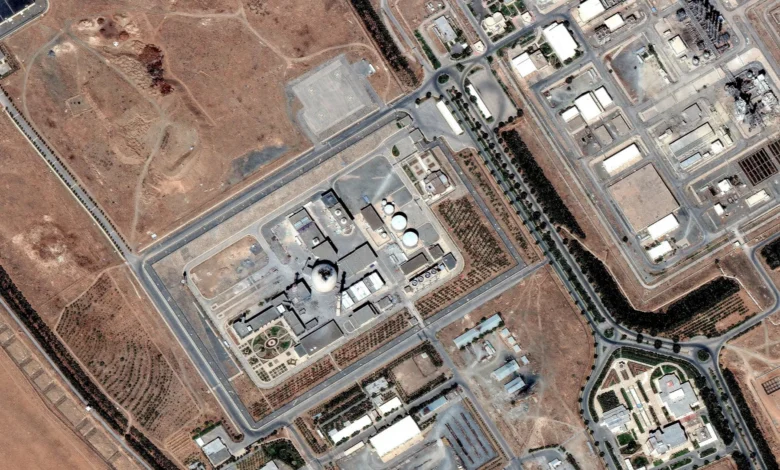
Ghalibaf responds to US threats against Iranian dams over their alleged links to the operational needs of military installations, particularly underground missile bases.
Iranian Parliament Speaker Mohammad Bagher Ghalibaf has threatened to expand Tehran’s response to include civilian facilities and vital infrastructure near US military bases. The warning raises the prospect of a broader target list encompassing dams, ports and power stations across the region, exposing Gulf states to further consequences of the escalation.
Ghalibaf was responding to a New York Times report examining possible links between some Iranian dam and water-transfer projects and the operational requirements of military installations, particularly underground missile bases. The report comes amid US and Israeli strikes on Iranian military sites during the war.
In a post on X on Tuesday, Ghalibaf claimed that Washington was laying the groundwork for another round of attacks on Iranian civilian infrastructure. He cited experts quoted by the newspaper discussing whether dams near missile sites could be considered dual-use facilities.
The Iranian official responded that Tehran would apply the same reasoning to facilities near US and Israeli bases. He identified dams, ports and power stations as potential targets that could, under this logic, be classified as dual-use infrastructure, stressing that Iran would apply the rule to everyone without exception.
The threat is particularly significant for Gulf states. Several host US military bases and facilities, some near vital infrastructure, ports, power generation plants and desalination facilities. Although Ghalibaf named no Gulf countries or specific sites, his remarks bring infrastructure surrounding the US military presence within the scope of Iran’s warning. This raises concerns that the confrontation could spread to facilities on which civilians and regional economies depend.
The New York Times report noted that researchers and experts in water resources and military security had identified geographical overlaps between Iranian water projects and areas containing missile installations that had been bombed. Iran has more than 500 dams and extensive water-transfer projects involving tunnels and pipelines. The location of some of these facilities has prompted questions about their civilian usefulness.
Experts suggested that certain projects might have provided fortified military installations with independent water and electricity supplies, allowing them to remain operational during attacks on energy networks and public utilities. The newspaper stressed, however, that this connection remained an unproven hypothesis and that many dams perform essential civilian functions, including supplying drinking water, irrigation and electricity generation.
The verbal escalation comes amid repeated US threats to strike Iranian infrastructure. President Donald Trump has threatened bridges, power stations and energy facilities. In November, he also referred to a list of 38 Iranian bridges that could be destroyed within a short period if military operations resumed.
These reciprocal threats raise concerns that the war could expand to civilian and economic facilities. Describing a facility as dual-use does not automatically make it a lawful military target under international humanitarian law. It must make an effective contribution to military action, and attacking it must offer a definite military advantage, while complying with the principles of distinction and proportionality.