Air America: The Undeclared Archive of the Cold War
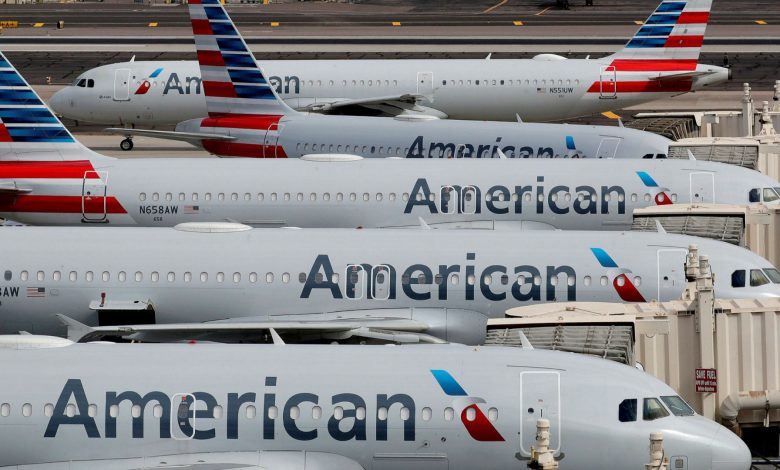
For three full decades, Air America remained one of the most tightly guarded covert operations in United States history. The Central Intelligence Agency (CIA) successfully operated a civilian airline whose public face was commercial air transportation, while its hidden purpose was to carry out complex intelligence and military missions.
While thousands of passengers boarded its aircraft across Asia, most had no idea that the company was secretly owned by the CIA. Likewise, thousands of employees—including pilots, technicians, and logistics personnel—were unaware of the true organization behind the company for which they worked, according to the History Channel.
-
America’s Crucial Gamble: One Aircraft That Could Decide the Fate of the F-35
-
Robot Dogs and Legendary Aircraft: America Celebrates Its Army in Trump’s Style
The origins of the story date back to the early years of the Cold War, when Washington sought a means of intervening in sensitive conflict zones without appearing directly on the international stage.
Out of this need emerged Civil Air Transport, which later became Air America and evolved into the undeclared logistical arm of U.S. policy in East and Southeast Asia.
Throughout its years of operation, its activities extended from Korea to Vietnam, Laos, and Cambodia, where it conducted transportation, supply, and evacuation missions in areas where official U.S. military presence was either restricted or completely prohibited.
-
Air Force Two: Discover the Plane of America’s Second-in-Command
-
Washington launches airstrikes in Eastern Syria in response to the killing of an American in an Iranian attack
The company’s responsibilities went far beyond transporting people and cargo. Its missions included delivering ammunition and supplies, evacuating civilians and refugees, and participating in certain indirect combat operations.
During the Battle of Dien Bien Phu in 1954, its aircraft supported French forces against the Viet Minh, while the identity of the organization controlling the airline remained strictly secret.
Employees quickly learned that some questions were best left unasked, particularly those concerning aircraft ownership or legal registration.
-
A Ghost in the Sky Over Area 51: A New American Weapon?
-
CENTCOM Denies Downing of U.S. Air Force Aircraft Near Bushehr
Former pilot Allen Kates, who joined the company in 1966 after serving in the United States Marine Corps, recalled that when he asked why the aircraft were not registered with the Federal Aviation Administration, he was told that asking such questions could cost him his job.
The company’s secret role reached its peak in Laos, which became a hidden battleground between the United States and communist forces during the 1960s.
Under the terms of the Geneva Agreements of 1962, direct U.S. military presence in the country was prohibited, making Air America the ideal instrument for conducting operations away from public scrutiny.
-
Pilots survive… Two U.S. fighter jets collide during an air show
-
Under pressure from American threats: signs of Iranian concessions to end the war
There, civilian pilots worked under extremely dangerous conditions, using primitive mountain airstrips, confronting severe weather conditions, and facing constant risks of enemy fire.
Although they held no official military status, the nature of their duties differed little from that of military pilots operating on active battlefronts.
In April 1975, Air America found itself at the center of one of the most dramatic moments of the Vietnam War.
-
With fighter jets and ships… The British Army participates in America’s Independence celebrations
-
The American deterrence legend refuses to retire: Washington searches for the heir to the B-52
As the fall of Saigon to North Vietnamese forces became imminent, official evacuation efforts began to falter, and U.S. military helicopters were unable to reach many crowded civilian locations.
The company’s covert pilots assumed a major role in rescue operations, carrying out hundreds of flights between rooftops and assembly points before transporting evacuees to American ships stationed offshore.
They also secretly evacuated hundreds of Vietnamese citizens under the cover of transporting American journalists, contributing to one of the largest air evacuation operations in modern history.
However, the company’s history was not free from controversy.
-
A leak targets the Delta Force: a former American servicewoman stands accused
-
Dead and injured in missile attacks and airstrikes on Baghdad
In 1972, American researcher Alfred McCoy sparked a major controversy after publishing a book accusing Air America of transporting opium from production regions in northern Laos to local bases connected to Washington’s allies.
These allegations became one of the most disputed episodes in the company’s history, particularly as stories emerged linking America’s secret war to the regional drug trade.
Many former employees categorically rejected the accusations.
Pilot Allen Kates argued that the company’s operational procedures were so strict that such activities would have been extremely difficult to conduct without detection.
-
Trump ends the crisis of his pilots, asserting superiority over Iranian airspace
-
Aircraft Carriers: A Strategic Weapon Whose Influence Extends Beyond the Seas
Some former officials acknowledged, however, that certain local allies may have used company aircraft to transport illegal goods without the knowledge of American crews.
Documents later declassified by the CIA supported the official account, stating that company policy never authorized or facilitated drug trafficking, while noting only a single documented incident in 1968 that resulted in disciplinary action against those involved.
Beyond the controversy, the human cost paid by the company’s personnel remains one of the most tragic aspects of the story.
A total of 146 employees were killed while carrying out their duties. All were officially unarmed civilians.
Pilots landed in combat zones and transported wounded individuals and refugees under enemy fire, while many carried the psychological scars of war for the rest of their lives.
-
The American Gerald Ford: a deterrence platform with operational flexibility in the Middle East
-
Aircraft carrier: Trump posts a cryptic image without comment
Despite these sacrifices, former employees encountered a very different reality after the company was officially dissolved in 1976.
The U.S. government refused to recognize them as federal employees, depriving them and their families of benefits normally granted to military personnel or government workers serving in conflict zones.
Widows, injured survivors, and those who had participated in dangerous operations remained excluded from compensation programs for decades, as the CIA maintained the policy of denial that had accompanied the project since its inception.
After years of lobbying and advocacy campaigns led by families of former employees, an important breakthrough occurred in 2023 when the CIA agreed to cooperate with the Senate Intelligence Committee in drafting legislation that would grant certain federal benefits to former Air America employees.
-
Second Aircraft Carrier Headed to the Middle East… U.S. Pressure Ahead of a Decision on Iran
-
From America First to Manifest Destiny: an ideological shift within the MAGA movement
Although the proposal is still undergoing legislative review, it represents the first meaningful official acknowledgment of the role these men and women played in advancing American interests during the Cold War.
As newly declassified documents continue to shed light on that era, Air America remains a unique example of the wars Washington fought in the shadows.
Under the cover of a commercial airline, civilians carried out highly dangerous military and intelligence missions and then spent decades without recognition or official honor, despite having been part of one of the most influential covert operations in the history of American foreign policy.
-
The most expensive bomber in history… the B-2 Spirit and the price of American supremacy
-
After the airstrikes… the United States unveils Southern Javelin against drug trafficking