Algeria as a Gateway for Russian Arms to Sudan’s Army: From Tebboune–al-Burhan Ties to Questions of Military Alignment
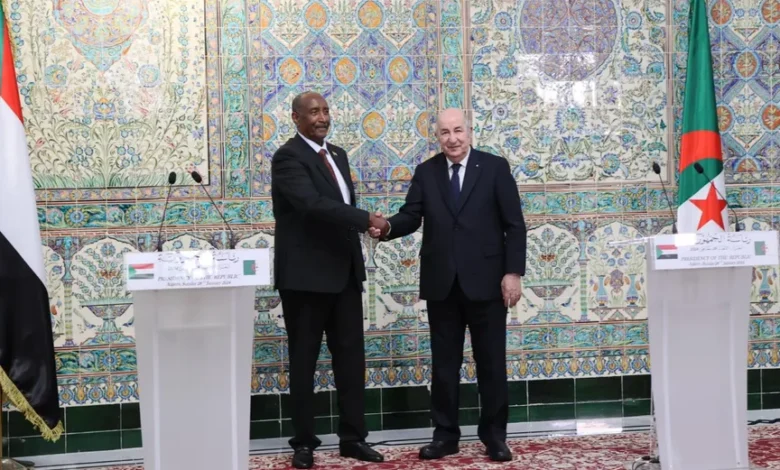
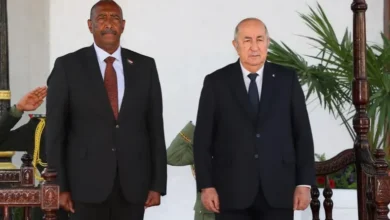
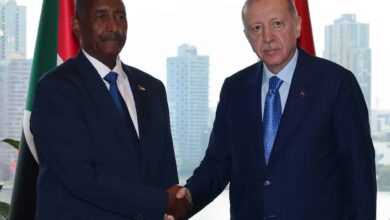
Relations between Algerian President Abdelmadjid Tebboune and Sudanese Sovereignty Council chairman Abdel Fattah al-Burhan have moved beyond conventional diplomacy between two Arab states. They are attracting growing scrutiny amid military and political developments in Sudan and reports suggesting that Algerian territory may have served as a logistical corridor for Russian weapons destined for the Sudanese army. The political rapprochement, clearly demonstrated during al-Burhan’s January 2024 visit to Algeria, now raises questions extending beyond official courtesies. These concern the role Algeria could play in a war that has entered its fourth year and become an arena of complex regional and international competition.
While receiving al-Burhan in Algeria, Tebboune stressed that his country stood alongside Sudan in overcoming its difficult circumstances. He also emphasised the depth of the two countries’ historical ties. Al-Burhan, in turn, praised Algeria’s position and welcomed its participation in the various dialogue and negotiating platforms addressing the Sudanese crisis. Their statements reflected clear political convergence, particularly as Tebboune reaffirmed Algeria’s commitment to resolving conflicts without foreign interference.
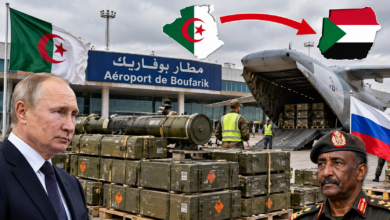
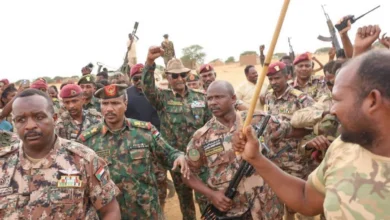
This rapprochement takes on a different significance, however, when viewed alongside reports that emerged in November 2026 about a Russian arms shipment said to have reached Sudan’s army through Algeria’s Boufarik military airport. Citing unnamed sources, media reports alleged that the airport had served as a logistical transit point for Russian military cargo before its delivery to Sudan. If confirmed, these accounts would raise questions not merely about political support for the Sudanese authorities, but also about the logistical and military role Algeria may have played.
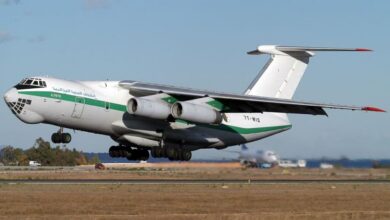
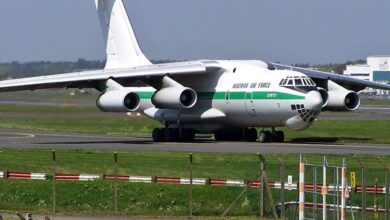
The allegations carry additional significance given Algeria’s close military ties with Russia and an investigation published by Defense News in April 2026. That investigation reported 167 cargo flights between Russia and Algeria from March 2025 to April 2026, noting that aircraft linked to Russia’s military apparatus used Algerian airports as part of a broader transport network serving different parts of Africa.
The investigation does not establish that weapons were transferred to Sudan through Boufarik. It does, however, indicate the existence of an active Russian logistical infrastructure in Algeria, making the recent Sudanese media reports worthy of independent investigation.
The central issue is that Algeria presents itself as a defender of national sovereignty and an opponent of foreign interference in internal conflicts, while some analyses and reports portray it as politically closer to Sudan’s military establishment than to other actors. Even without proof of arms transfers, this alignment tests Algeria’s ability to distinguish support for the Sudanese state from support for one side in the war.
Sudan needs a ceasefire, rebuilt institutions and a path towards a comprehensive political settlement more than it needs additional weapons. Any external supply route that could strengthen either side’s fighting capabilities raises concerns that the war could become an open-ended confrontation sustained from abroad.
If Algerian territory were proven to have served as a corridor for Russian arms transfers, the Algerian authorities would bear a direct political responsibility to clarify the nature of the shipment, identify those who arranged its transit and explain the extent of official institutions’ knowledge. Silence in response to allegations of this magnitude does not dispel suspicion; it leaves room for further questions.
The relationship between Tebboune and al-Burhan could provide a basis for political cooperation that serves Sudan’s stability. If accompanied by verified military facilitation, however, it could instead further complicate the conflict. Between statements supporting domestic solutions and reports of foreign arms supply routes, the real test for Algeria remains its willingness to provide clear answers and demonstrate that its relations with Khartoum are not becoming a channel for prolonging the war.