Hunting Down Hezbollah’s Financial Arteries: How Iranian Funds Enter Lebanon
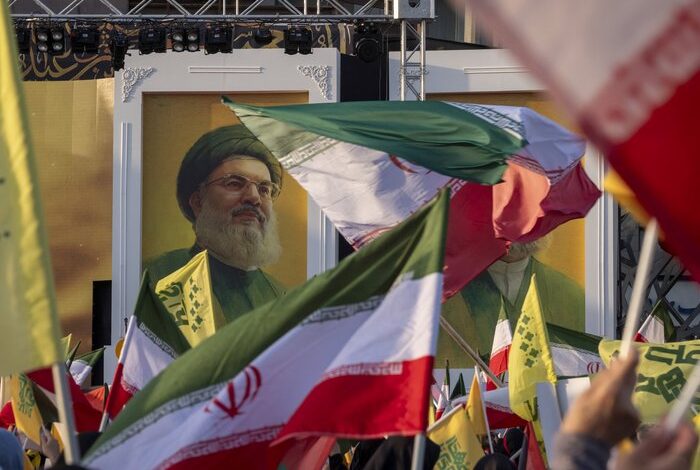
Hezbollah is facing a crisis affecting one of its most important sources of financing and organizational survival, amid mounting pressure to restrict the funding channels on which it has relied for decades.
This was revealed by The New York Times in a report, which said the group is experiencing its most severe financial strain in years. The war and mounting pressure on its funding channels have disrupted its ability to finance its operations and maintain its extensive network of social services.
-
Hezbollah’s Assassination Machine: The Shadow of Unit 121 Raises Concerns in Lebanon
-
Salam to Hezbollah: We Will Not Yield to Blackmail or Threats of Civil War
Targeting Financial Infrastructure
Israeli strikes have not been limited to Hezbollah’s weapons. They have also directly targeted the group’s financial networks, including:
- Al-Qard Al-Hassan: Israeli aircraft destroyed more than ten branches of the institution, which is considered Hezbollah’s de facto bank in Lebanon. It provides interest-free loans to thousands of Lebanese supporters of the group.
- Currency exchange shops: several exchange offices used by Iran to transfer funds to Hezbollah were targeted. The U.S. Treasury Department estimates that Tehran transferred nearly $1 billion to the group during the previous year, most of it through the hawala system.
- Fuel stations, which generated revenue for the group.
-
Road Blockades and Stone-Throwing at the Army: Hezbollah Responds to the Southern Agreement with a Strategy of Disorder
-
A Tour Inside a Hezbollah Tunnel Reveals Iranian Fingerprints: Drones with a 200-km Range and Eight Tons of Explosives
The newspaper said the strikes came “as the culmination of the most intense campaign ever led by Israel, President Donald Trump’s administration and the Lebanese government itself to financially suffocate Hezbollah by disrupting its funding channels, particularly those originating in Iran.”
In the months before the war, the Lebanese government, under pressure from the Trump administration, worked to close routes used by Hezbollah to receive and transfer funds, including Beirut International Airport.
Washington also pressured Lebanon’s central bank to strengthen oversight of the country’s cash-based economy, which Hezbollah had long exploited.
-
Eroding Influence and Shrinking Support Base: Public Rejection of Hezbollah in Syria and Lebanon
-
Salam: Hezbollah Has Lost Its Remaining Margin of Independence Following Nasrallah’s Departure
Iranian Funding
Before the war, the U.S. State Department estimated that Iran provided Hezbollah with approximately $700 million annually, accounting for most of the group’s estimated $1 billion annual budget.
According to Lebanese, U.S. and Israeli officials, Iran increased its financial support for Hezbollah over the previous year. However, the amount remained insufficient to cover the group’s substantial war-related expenses.
According to The New York Times, the campaign targeting Hezbollah’s financial resources effectively began in late 2024, before the group suffered another setback following the sudden collapse of Syrian President Bashar al-Assad’s government, shortly after the ceasefire that ended the war between Israel and Hezbollah.
The fall of Assad left the group more isolated from Tehran after it lost a vital smuggling route through Syria, at a time when it urgently needed funds to rebuild and maintain its operational capabilities.
-
Escalation Continues Between Hezbollah and Israel Despite a U.S. Proposal for De-escalation
-
New Israeli tactic to Trap Hezbollah drones
Beirut Airport: An Alternative Funding Channel
With the land route through Syria effectively cut off, Iran quickly sought alternative means of financing Hezbollah, according to U.S. and Israeli officials and people familiar with the group’s finances.
According to a U.S. official and a senior Lebanese official briefed on the matter, Tehran turned to Beirut airport, which had effectively been under Hezbollah’s control for years and had been used to receive Iranian funds and weapons.
However, U.S. and Israeli officials were monitoring this channel.
-
Israel threatens to strike Beirut in response to Hezbollah drones
-
Child recruitment: Hezbollah is undermining Lebanon’s future
At the beginning of the previous year, U.S. officials conveyed an Israeli warning to the Lebanese government that Iran was sending Hezbollah suitcases filled with U.S. dollars aboard civilian flights to Beirut.
In some cases, the suitcases were carried by Iranian diplomats, according to Lebanese officials and an Israeli official.
Following the warnings, airport employees linked to Hezbollah were removed from their positions, while Lebanese authorities appointed security officers working in coordination with U.S. officials, according to a U.S. official and two Lebanese officials.
-
Hezbollah’s drones are turning into a headache for the Israeli army
-
Hezbollah drones breach Israeli defenses despite the new interception system
Tightening Oversight of the Cash Economy
After tightening restrictions on external funding channels, Washington turned its attention to Lebanon’s central bank, amid the country’s heavy reliance on cash-based transactions, according to the newspaper.
The U.S. Treasury Department says Hezbollah exploited this cash-based economy to launder illicit funds and transfer money originating from Iran.
According to a senior Lebanese official briefed on the appointment process, the Trump administration sought last year to influence the appointment of a new governor of the Banque du Liban. Washington had not previously confirmed this.
-
New alerts in Lebanon: Israel expands the scope of confrontation with Hezbollah
-
Alerts and evacuations in southern Lebanon… Hezbollah stronghold under fire
The new governor, Karim Saïd, quickly demonstrated his willingness to take action against Hezbollah. He removed or dismissed senior bank officials suspected of having ties to the group.
Saïd also ordered an inspection of his office for possible listening devices and refused to use computers supplied by the bank amid concerns about surveillance, according to a senior central bank official and an internal memorandum obtained by The New York Times.
After the U.S.-backed governor took office, the central bank launched an investigation into the country’s largest money-transfer companies over suspicions that Hezbollah had been using them to move funds, according to internal documents reviewed by the newspaper and a senior central bank official.
-
Surgical strikes against Hezbollah… U.S. pressure to restrain Israel in Lebanon
-
Hezbollah drones worry Israel
Since the investigation began, Lebanese authorities have started monitoring money-transfer operations more closely, the newspaper reported.
Brian E. Nelson, a former senior U.S. Treasury official who oversaw sanctions against Hezbollah during former President Joe Biden’s administration, said: “Hezbollah was able to consistently generate significant amounts of money by abusing those networks.”
Currency Exchange Shops: Another Alternative Channel
As major money-transfer companies came under increased scrutiny, Hezbollah continued to rely heavily on a less-regulated network of currency exchange shops, which quickly became the main channel through which Iran financed the group, according to a senior Israeli Defense Ministry official and another person familiar with Hezbollah’s finances.
-
The United Nations documents war crimes in the confrontation between Israel and Hezbollah
-
He will pay with his head: Israel escalates against Naïm Qassem and Hezbollah
When the U.S. Treasury Department imposed sanctions on Lebanese money changers last November, it said Iran had already transferred nearly $1 billion to Hezbollah during that year, most of it through the hawala system.
Decline of the Social Services Network
As the pressure campaign intensified, Hezbollah’s social welfare network began showing signs of contraction.
Hezbollah officials and beneficiaries of its services told The New York Times that although salaries were still largely being paid to tens of thousands of its fighters, some social services had been reduced, while the group was reassessing its spending priorities.
-
Israel claims it killed 150 Hezbollah members, while the group remains silent
-
Blood diamonds and drugs: Hezbollah’s funding arteries in Europe
Al-Qard Al-Hassan and the Gold Trade
In February, several weeks before the outbreak of the latest war between Israel and Hezbollah, the U.S. Treasury Department said senior officials at Al-Qard Al-Hassan, Hezbollah’s de facto bank, had established a series of gold-trading companies to raise funds.
Accounting records reviewed by The New York Times, along with assessments prepared by analysts monitoring Hezbollah’s cash economy, showed that gold sales had increased during the previous year.
According to Israeli and U.S. officials, one reason Hezbollah sought to convert gold into cash was that Israeli airstrikes had destroyed a substantial portion of its foreign-currency and gold reserves.
-
Hezbollah’s weapons… Netanyahu sets the primary objective of negotiations with Lebanon
-
Through incitement and protests, Hezbollah seeks to obstruct Lebanon–Israel negotiations
Last year, Lebanon banned the country’s banks and financial brokerage firms from dealing with Al-Qard Al-Hassan, further isolating Hezbollah from the formal financial system.
Hundreds of thousands of Lebanese, many of them Hezbollah supporters, rely on Al-Qard Al-Hassan for interest-free loans and war-related compensation payments.
The Trump administration is now pressuring the Lebanese government to shut down the institution completely.
-
Israel announces the killing of the secretary to the Secretary-General of Hezbollah and his nephew
-
Beirut under fire… Israel expands its strikes against Hezbollah