Reports of recruitment of South Sudanese fighters amid rising losses
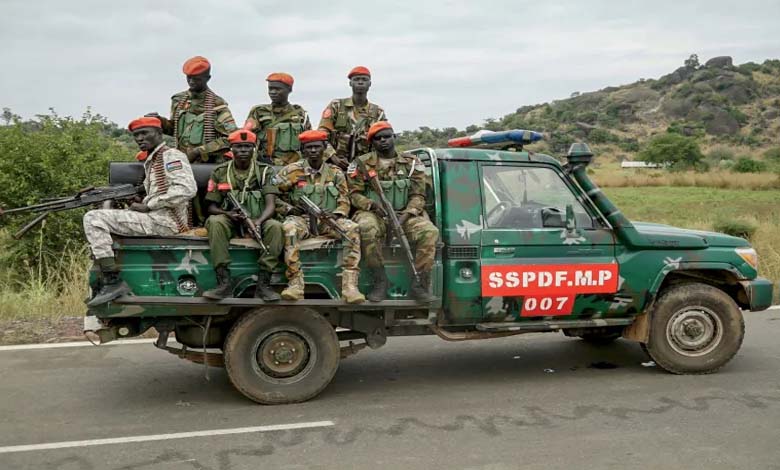
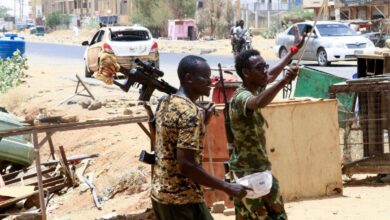
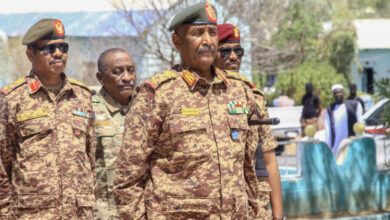
In recent months, the Sudanese army has suffered significant human losses across several combat fronts, particularly in the Kordofan and Blue Nile regions, as a result of intensified clashes and the widening scope of hostilities. This decline in manpower readiness has led the military leadership, according to field assessments and analytical reports, to consider alternative options to compensate for the shortage of troops.
-
Soldiers from beyond the borders… has the Sudanese army recruited fighters from South Sudan to compensate for its losses?
-
Reports reveal the Sudanese army’s shift toward recruiting foreign fighters to compensate for manpower shortages
In this context, unverified reports have emerged suggesting the possibility that the army may resort to recruiting fighters from South Sudan in order to reinforce its forward combat lines. Some of these accounts indicate that the incentives offered could include promises of Sudanese citizenship or legal and socio-economic benefits in exchange for participation in military operations.
However, these claims remain disputed, as no official confirmation has been issued by the relevant authorities. Moreover, such arrangements, if confirmed, could raise significant legal and political concerns, both domestically and in relation to ties between Khartoum and Juba.
-
The Sudanese army between attrition and restructuring: an in-depth reading of the strategy of naturalization in exchange for fighting
-
Naturalization in exchange for fighting: how the Sudanese army is filling its manpower gap with fighters from South Sudan
Observers argue that any move toward recruiting foreign fighters reflects the level of pressure facing the army, particularly in the context of a prolonged war of attrition and growing logistical and manpower constraints. Such an option may also entail additional risks related to military discipline, loyalty issues, and post-conflict complexities.
At the same time, experts note that the region has witnessed similar precedents, where various actors have relied on fighters from beyond their borders. However, the outcomes of such practices have often proven complex and difficult to control in the long term.
Accordingly, the issue of recruiting South Sudanese fighters in exchange for citizenship remains, at this stage, within the scope of analysis and unverified reporting, and requires careful verification by independent sources, in a media environment characterized by high information density and frequent contradictions.
-
Field reports accuse the Sudanese army of carrying out a drone attack against civilians in Kutum amid calls for an international investigation
-
Direct accusations have been made against the Sudanese army for carrying out a drone attack on a wedding celebration in Kutum, resulting in dozens of deaths
-
The Sudanese army’s bombardment in Kutum opens an investigative inquiry into the targeting of a wedding ceremony and allegations of a catastrophic error in North Darfur