Frozen Billions: A Major Obstacle in Iran–U.S. Negotiations
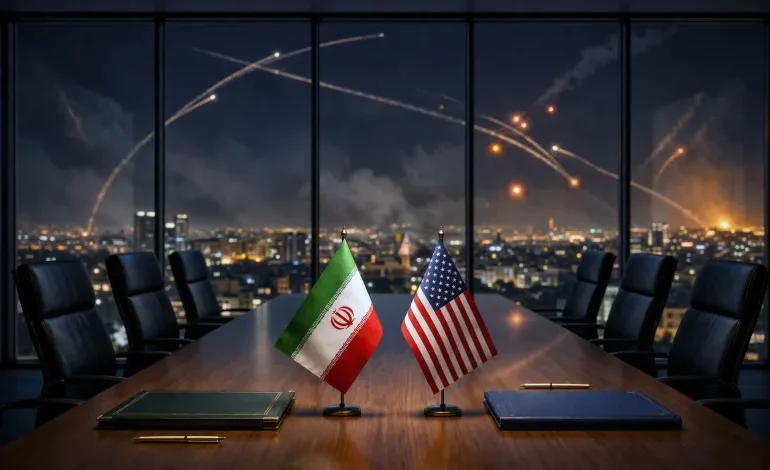
Negotiations between the United States and Iran remain deadlocked, with several points of disagreement continuing to hinder progress. However, the most significant issue remains Tehran’s insistence on securing the release of its frozen assets.
According to CNN, a senior Iranian official stated that any potential peace agreement between Washington and Tehran depends on the Trump administration’s approval of the release of $24 billion in frozen Iranian assets.
-
United States and Iran: Uranium Enrichment and Stockpile Become the Sticking Point of a Very Close Agreement
-
Russia offers mediation between the United States and Iran to end the war
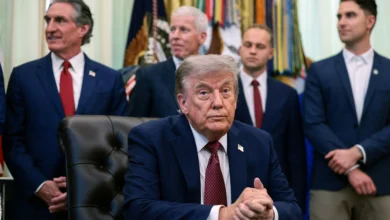
Mohsen Rezaei, military adviser to Iran’s Supreme Leader, Mojtaba Khamenei, said in an exclusive interview with CNN in Tehran: “The negotiations have reached a dead end, and it is up to President Donald Trump to break the stalemate. The ball is now in Trump’s court.”
Iran is demanding the release of $12 billion in frozen funds immediately upon signing an interim agreement with the United States, followed by another $12 billion at a later stage.
U.S. officials fear that unfreezing the funds at this stage would remove a key source of leverage over the Iranian government.
-
When will the truce between the United States and Iran end?
-
Details of a secret call between the United States and Iran that nearly ended the war
Donald Trump has insisted that any agreement must be significantly stronger than the 2015 nuclear deal and must avoid anything that could be interpreted as handing over “massive amounts of money” to Iran, a phrase he has repeatedly used when criticizing former President Barack Obama for providing financial compensation to Tehran.
During the 2016 presidential debate, Trump told his Democratic opponent, former Secretary of State Hillary Clinton: “The Obama administration made Iran very powerful with probably the dumbest deal I’ve ever seen in the history of negotiations, along with $1.7 billion in cash, enough money to fill this room.”
Rezaei argued that releasing the funds would create “a new horizon for the future” of relations between Iran and the United States. He added: “If Trump wants to reach an agreement with Iran, this $24 billion is a test of trust that Iran wishes to conduct with Trump. It is a test that America must pass, and then the path forward will be opened.”
-
New Talks – United States and Iran Revive Nuclear Agreement Negotiations Once Again
-
The United States Launches Strikes on Iran: Four Drones Shot Down and Launch Site Bombed
Since the temporary ceasefire took effect on April 8, indirect talks between Washington and Tehran have continued through mediators. Both sides have exchanged proposals while Trump has continued to threaten a return to military action despite repeatedly expressing optimism about a potential breakthrough. Meanwhile, intermittent military confrontations between the two countries have persisted.
According to proposals circulated in the media, Iran is seeking approximately $12 billion upfront and a total of $24 billion during a 60-day negotiation period that would begin following a preliminary agreement.
-
Advanced techniques and striking power: how the United States besieges Iran and clears the Strait of Hormuz
-
Excessive demands: Iran reveals obstacle to agreement with the United States
The United States, however, rejects any advance payments or commitments to specific financial amounts. Washington also rules out easing sanctions in a manner that would allow Iran to export oil freely.
Iran’s frozen assets are estimated at around $100 billion. These funds have become inaccessible due to U.S. sanctions and consist primarily of revenues from previous oil sales, financial reserves, and various funds subject to different sanctions regimes.
-
Iran faces the most dangerous total war with Israel and the United States
-
Are the UAE Playing a Mediation Role Between Iran and the United States?
-
New sanctions imposed by the United States, Britain, and Canada on Iranian officials… Details
-
Iran warns Israel and the United States of “escalation beyond control”