US and Iran: The Venezuela Scenario Deemed Improbable Without Ground Intervention
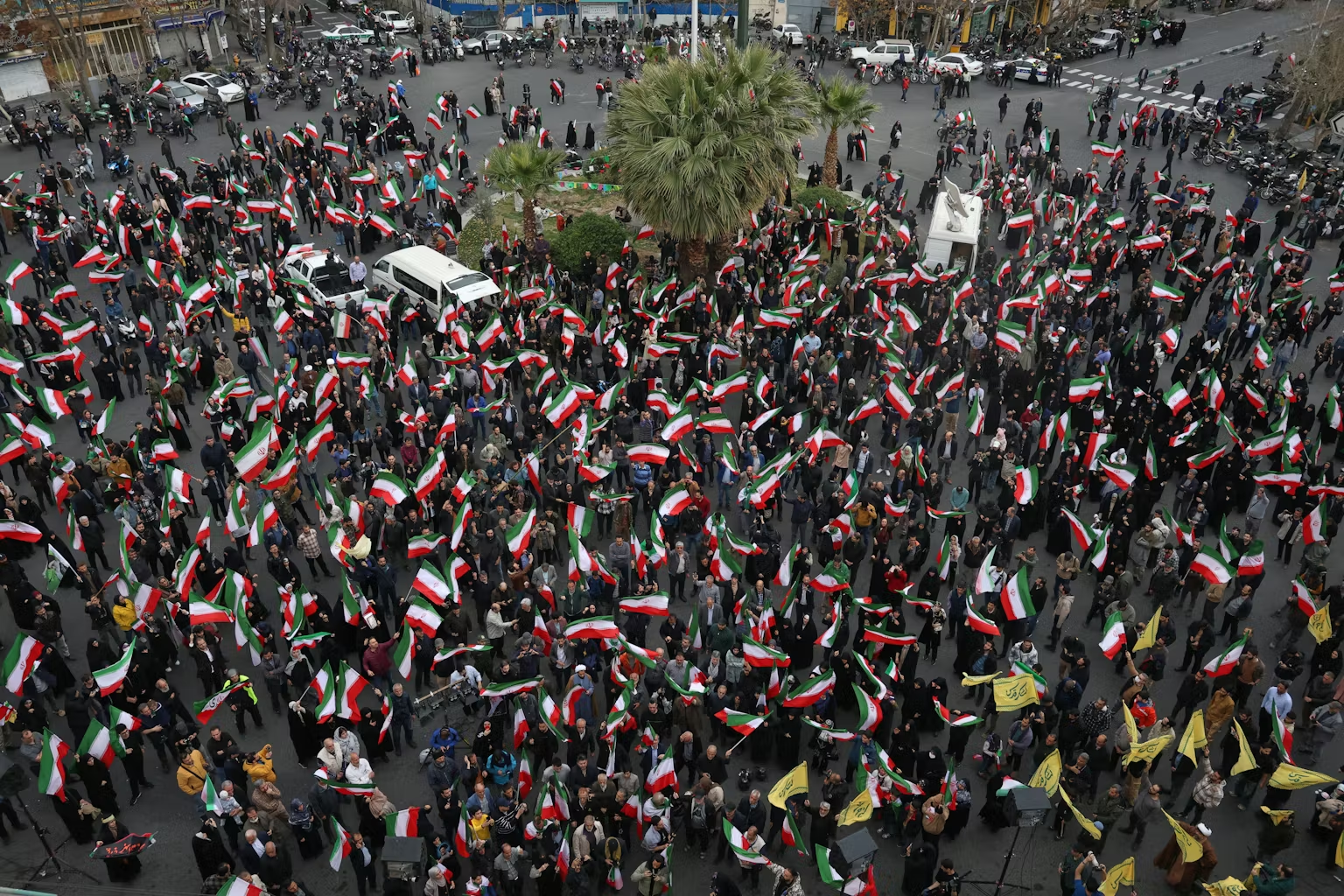
President Donald Trump is touting the recent operation in Venezuela as a “perfect” model for regime change, drawing parallels with the ongoing conflict in Iran. In a brief interview with The New York Times last Sunday, Trump stated: “What we did in Venezuela, I think, is the ideal scenario.”
However, as reported by CNN, military operations in Caracas and Tehran have unfolded in entirely different ways. In Venezuela, strikes were limited and surgical, designed to assist U.S. Special Forces in the apprehension of leader Nicolás Maduro. This led to a rapid pivot by Vice President Delcy Rodríguez, who immediately signaled cooperation with U.S. initiatives.
-
In exchange for sanctions relief, the US and Iran indicate nearing an agreement on the nuclear deal
-
Iran Strikes Ignite a Constitutional Battle Between Congress and the White House
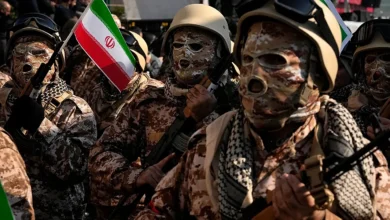
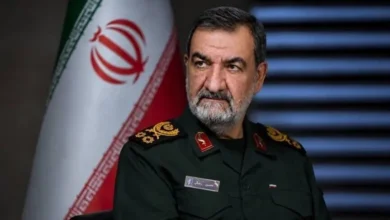
In contrast, the U.S.-Israeli air campaign in Iran has been far more expansive, resulting in the death of Supreme Leader Ali Khamenei and hundreds of others. This has triggered widespread Iranian retaliatory attacks across the Middle East—strikes Tehran had likely been planning for weeks. Meanwhile, the Islamic Revolutionary Guard Corps (IRGC) has ruled out dialogue, sending a clear message that Iran’s remaining leadership is prepared to fight rather than take orders from Washington.
Analysts argue that the next phase of the war is largely unpredictable and that the Iranian regime bears little resemblance to the Maduro government. While Khamenei was at the apex of the hierarchy, power in Iran is highly distributed among military, clerical, and various political institutions. Professor Vali Nasr of Johns Hopkins University noted: “Since last summer’s Israeli attack, the regime has further decentralized power, meaning ‘decapitation’ is not as effective as it is in other states.” He added that even if top leadership is eliminated, the “Deep State” system is designed to function efficiently.
-
On the eve of the Muscat talks, five milestones paved the way for Iran and Washington’s return to negotiations
-
Is an Attack Imminent? US Newspaper Reveals Israeli and Iranian Preparations
Israel has claimed to have killed 40 high-ranking Iranian military commanders in the initial wave of strikes. However, unlike Venezuela, many Iranian officials and security forces are driven by radical ideologies. Analysts suggest that potential successors may seek domestic legitimacy by adhering to hardline views and demonstrating even greater defiance toward foreign adversaries. Aniseh Bassiri Tabrizi of Control Risks warned: “It is highly possible that future leaders, particularly within the IRGC, could be more extremist than Khamenei.”
While senior U.S. officials insist the war is not about regime change, Trump has called on the Iranian people to take charge, telling The New York Times he has “three very good options” for who should govern Iran now, though he declined to name them. Unlike Venezuela, Iran lacks an automatic deputy ready to cooperate with the U.S. administration; instead, Khamenei’s death has triggered an internal deliberation process beyond U.S. or Israeli control.
-
Trump’s Pressure Pushes Iran to Accept U.S. Demands on Nuclear File
-
Trump’s Return Pushes European Powers to Demand Increased Pressure on Iran
Furthermore, there is no domestic rival to the IRGC or the Basij forces. David Petraeus, former Director of the CIA, noted that the challenge lies in the absence of a military opposition similar to the forces that toppled Bashar al-Assad in Syria in 2024. Sanam Vakil of Chatham House added that any future appointee would require the blessing of the entire security establishment, which will prioritize its own interests.
History suggests that relying on airstrikes without ground forces is unlikely to achieve democracy or genuine reform. Robert Pape, a professor at the University of Chicago, argued that this approach has “never worked,” explaining that tactical success does not guarantee strategic success. Airstrikes often instill fear rather than encouraging protests, allowing leaders to use nationalist arguments to maintain power. This typically leads to a reconfigured version of the existing regime or a more nationalist, unstable government.
Bassiri Tabrizi predicts that the region will see continued cycles of retaliation and escalation until one side’s resources are completely exhausted.
-
Iranian Spy Network Dismantled: Serious Security Implications of Escalation between Tehran and Tel Aviv
-
In Case of an Israeli Attack: Source Discusses Iran’s Plan and Target Bank