How to Avoid Bloating and Indigestion During Ramadan
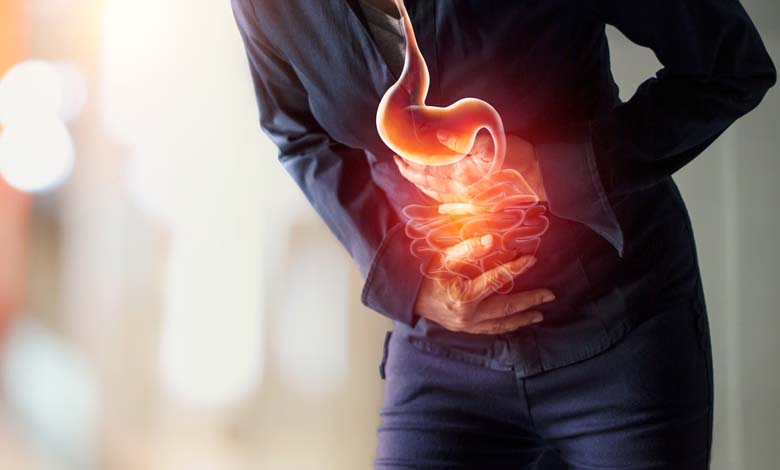
Ramadan represents a unique period during which daily routines, eating patterns, and biological rhythms undergo significant changes. The daily fast, which extends from dawn until sunset, requires a complete reorganization of meal timing and metabolic processes. While fasting carries important spiritual and social significance, it may also lead to certain digestive discomforts such as bloating, abdominal heaviness, and indigestion.
These digestive issues often arise when eating habits change abruptly or when meals consumed after fasting are excessively large, high in fat, or eaten too quickly. Understanding digestive mechanisms and adopting appropriate nutritional strategies can help prevent these discomforts and maintain digestive well-being throughout the month.
-
Before or After Iftar? The Best Time to Exercise During Ramadan
-
Important Health Tips to Remember During Ramadan’s Iftar
Digestive Changes During Fasting
During fasting hours, the digestive system enters a state of relative rest. The production of digestive enzymes and gastric activity decreases in the absence of food for several hours. When the fast is broken, the stomach must suddenly adapt to the intake of food, which is sometimes consumed in large quantities.
If eating resumes abruptly or excessively, the stomach may expand rapidly, leading to feelings of bloating and heaviness. Furthermore, foods high in fat or refined sugars can slow digestion and promote intestinal fermentation, increasing the likelihood of bloating.
-
How to Avoid Headaches During the First Days of Ramadan?
-
Top 3 Nuts for Burning Belly Fat in Ramadan
The Importance of a Gradual Iftar
One of the most effective ways to prevent digestive discomfort is to break the fast gradually. Traditionally, consuming dates with water provides a physiologically balanced approach. Dates contain natural sugars that are easily absorbed, helping restore energy levels without overwhelming the digestive system.
After this initial step, it is advisable to wait a few minutes before eating a full meal. This short pause allows the digestive system to reactivate gradually and reduces the risk of gastric overload.
-
Simple Tips to Improve Your Diet During the Month of Ramadan
-
Ramadan: this special breakfast recipe to hold the whole day of fasting
The Role of Chewing and Eating Pace
The speed at which food is consumed has a significant influence on digestion. After a long period of fasting, individuals often eat quickly, which increases the likelihood of swallowing air and developing bloating.
Slow and mindful chewing facilitates the mechanical breakdown of food and stimulates the production of digestive enzymes. This step is essential for preparing the stomach and intestines to process food efficiently.
-
Ramadan: All you need to know about the movement
-
When Fasting Becomes a Golden Opportunity for Your Health
Food Choices and Digestive Comfort
Certain foods are more likely to produce gas and intestinal fermentation. Meals that are very high in fat, fried foods, carbonated beverages, and heavily spiced dishes may slow digestion and intensify digestive discomfort.
In contrast, a balanced meal including cooked vegetables, lean proteins, whole grains, and fresh fruits promotes smoother digestion. Dietary fiber also helps regulate intestinal transit, although fiber intake should be increased gradually to prevent excessive gas formation.
-
Nuts: The Secret to Health and Fitness Despite Their High Calorie Content
-
Why do we feel sluggish after lunch?
Hydration and Digestive Health
Proper hydration plays a crucial role in maintaining digestive comfort. Between iftar and suhoor, it is recommended to drink water regularly rather than consuming large quantities at once.
Water helps support intestinal movement and prevents constipation, which can worsen bloating. In contrast, highly sweetened or caffeinated beverages may irritate the stomach lining and disrupt digestive balance.
-
Does blue light affect children’s sleep? A scientific analysis of its real impact
-
Skipping breakfast – Good or bad for health?
Physical Activity and Intestinal Motility
Moderate physical activity can also support digestion. A light walk after the evening meal stimulates intestinal motility and helps move food through the digestive system.
Conversely, lying down immediately after eating may slow digestion and increase the sensation of abdominal heaviness. Maintaining an upright posture or engaging in gentle activity for a period after meals is preferable.
The Role of the Suhoor Meal
The pre-dawn meal plays an essential role in maintaining digestive comfort during the following day. A balanced suhoor rich in fiber, protein, and complex carbohydrates can help sustain energy levels and prevent sharp blood sugar fluctuations.
Highly salty or fatty foods consumed at suhoor may increase thirst and contribute to digestive discomfort during the fasting period.
Adapting Eating Habits
Ramadan can also serve as an opportunity to adopt more mindful eating habits. Reducing excess, prioritizing natural foods, and balancing portion sizes not only help prevent digestive problems but also improve overall health.
Moderation, dietary variety, and awareness of the body’s satiety signals are fundamental principles for maintaining digestive balance during this period.
Bloating and indigestion during Ramadan are often linked to sudden changes in eating habits and the excessive consumption of rich or difficult-to-digest foods. By breaking the fast gradually, choosing balanced meals, maintaining adequate hydration, and eating slowly, these discomforts can be significantly reduced.
Ramadan can therefore become a period that encourages healthier lifestyle practices, where balanced nutrition and mindful digestion contribute to overall well-being.
-
The Caffeine Nap: How a Cup of Coffee Before Sleep Can Boost Your Energy
-
The Profound Benefits of the Midday Nap: A Natural Ally for Body, Heart, and Mind