Iraqi Hezbollah removes the mask: acknowledgment of Iran’s arming of Sudan’s Muslim Brotherhood
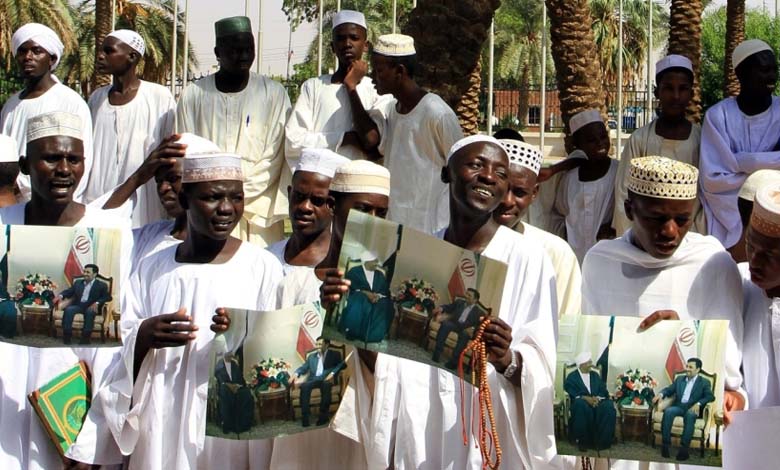
In a move highlighting the depth of the structural ties between Iran-aligned networks and the Muslim Brotherhood organization, the Iraqi militia Kataeb Hezbollah has announced its full support and the sharing of its resources with the “Muslim Brotherhood in Sudan,” directly challenging the recent decision by the U.S. administration to designate the group as a global terrorist organization.
-
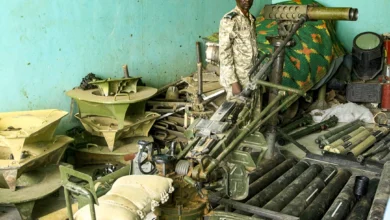
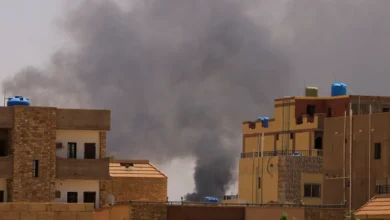
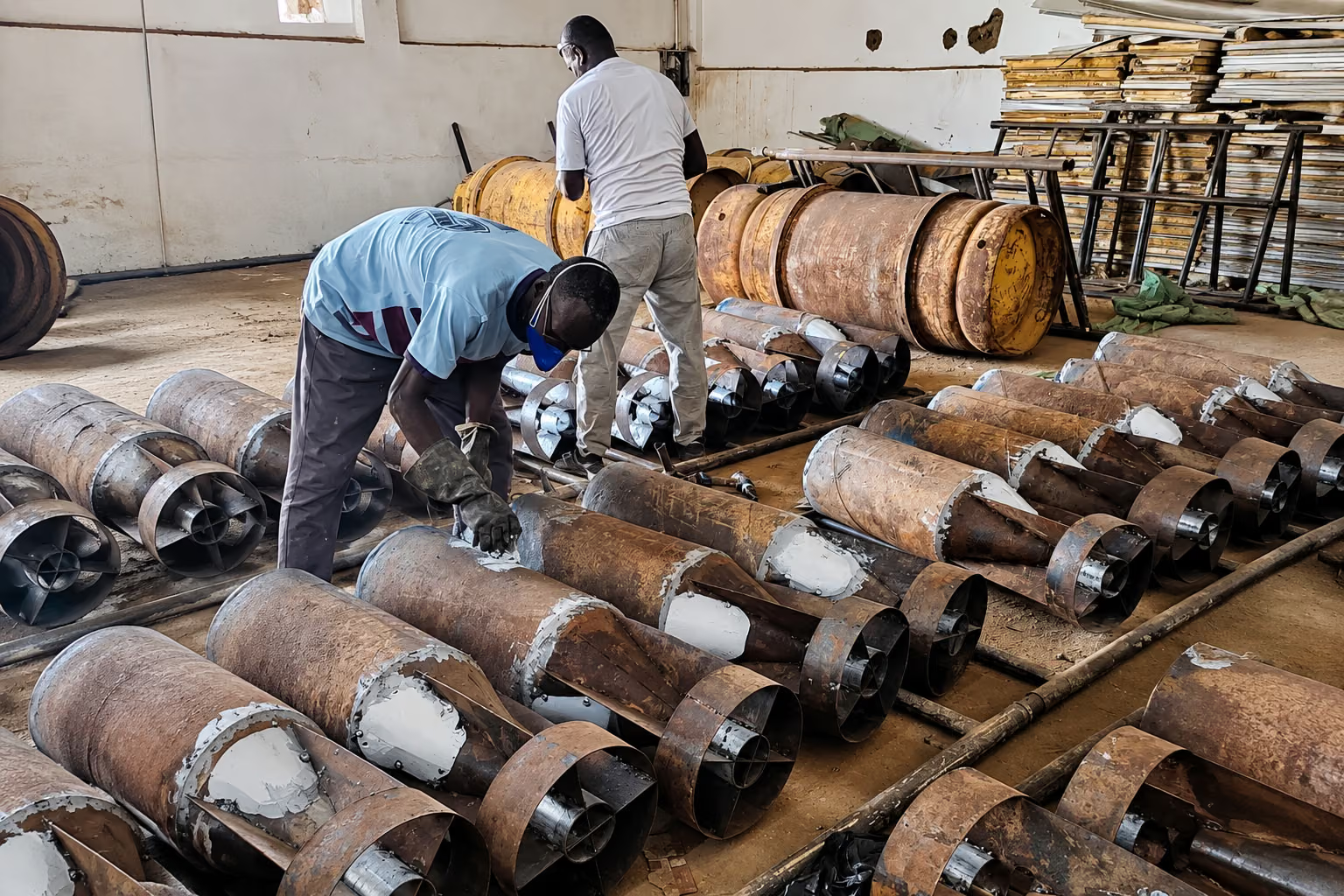
Dozens of Foreign Experts Killed and Iranian Weapons Destroyed in Port Sudan
-
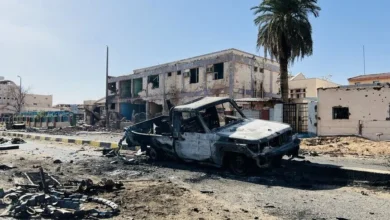
Mysterious Airstrike in Port Sudan Reveals Involvement of Foreign Experts and Iranian Arms… Silence from al-Burhan and the Islamic Movement Raises Questions
According to reports cited by the news outlet Shafaq News, the militia’s secretary-general, Abu Hussein al-Hamadaoui, described the designation of the Muslim Brotherhood as a terrorist organization as “a source of pride for them.” In an official statement, he declared the militia’s commitment to sharing available resources with the Sudanese group, invoking the historical terminology of the “Ansar and the Muhajirun” to frame this alliance.
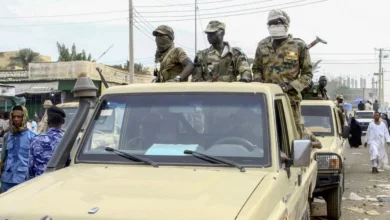
This reciprocal support reinforces intelligence reports suggesting that fighters affiliated with the Muslim Brotherhood, as well as the Al-Bara bin Malik Brigade, have been receiving training and weapons from Iran’s Islamic Revolutionary Guard Corps.
-
Sudanese rapprochement with Iran and Turkey: Economic gains or geopolitical threats?
-
Fueling the War in Sudan: Iran Qatar and Turkey in the Eye of the Storm
The Iraqi endorsement coincided with statements from Sudanese Muslim Brotherhood leaders, including Al-Misbah Talha and Youssef Alam, who announced their readiness to engage in war in support of Iran. These declarations have revealed the extent of Iranian influence within Sudan’s military establishment through certain Islamist militias.
It is also noteworthy that the U.S. State Department based its terrorist designation on allegations that the “Sudanese Muslim Brotherhood” and their associated brigades, including the Al-Bara bin Malik Brigade, were involved in mass executions and ethnic killings targeting civilians.
According to these accusations, the groups also mobilized more than 20,000 fighters in efforts that undermined peace initiatives. This context helps explain the solidarity expressed by pro-Iranian militias in Iraq, given the similarities in their combat doctrines and destabilizing objectives.
-
Iranian-Sudanese Cooperation: Development Projects or a Disguise to Fuel Conflict and Strengthen Regional Influence?
-
Reasons Behind the Sudan-Iran Rapprochement and the Connection to the Muslim Brotherhood
-
Military Cooperation between Sudan and Iran: New Details Revealing the Complexity of the Strategic Alliance
-
Implications and Dimensions of Iranian Support in Sudan
-
Iranian-Sudanese Cooperation and Its Impact on the Country’s Stability