Changes in the Iranian Leadership Create Uncertainty Among Iraqi Factions
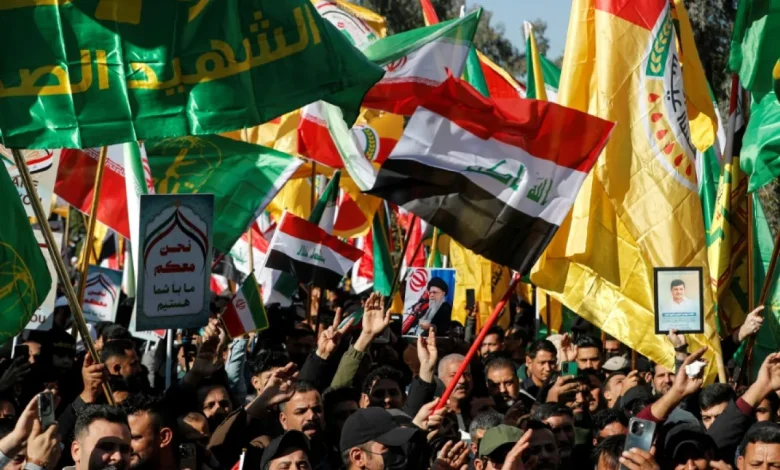
The Atlantic Council concludes that Iraqi factions are facing an organizational and ideological crisis that threatens their cohesion and future, amid the decline of the unified authority that previously guided and coordinated their activities.
A report issued by the Atlantic Council argues that Iran is undergoing a structural transformation in its system of governance following the transfer of power to the new Supreme Leader, Mojtaba Khamenei. According to the report, this transformation extends beyond Iran’s domestic affairs and is already affecting regional spheres of influence, particularly Iraq, where armed factions aligned with Tehran are experiencing unprecedented fragmentation and uncertainty.
-
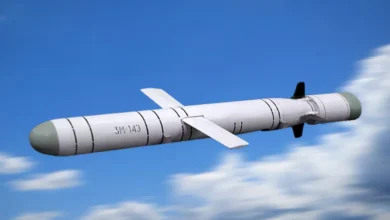
U.S. Report: Iran Supplies Long-Range Missiles to Iraqi Factions for the First Time
-
Iran Authorizes Al-Sudani to Decide the Fate of Iraqi Factions Loyal to It
The report states that Iran’s political system in its current phase differs significantly from the model that governed the country following the Islamic Revolution of 1979. Under the leadership of the founder of the Islamic Republic, Ruhollah Khomeini, power was concentrated almost entirely in the hands of the Supreme Leader. His successor, Ali Khamenei, maintained his position as the ultimate authority on political and strategic matters for more than three decades, despite the growing influence of the Islamic Revolutionary Guard Corps within the state apparatus.
However, according to the report, the situation has changed with Mojtaba Khamenei’s rise to power. The Supreme Leader is no longer portrayed as the sole center of gravity in decision-making. The Atlantic Council describes the new Iranian system as resembling a “military council government,” in which a small group of senior Revolutionary Guard commanders manages strategic and security affairs, while the office of the Supreme Leader provides the religious and political legitimacy necessary to endorse those decisions.
-
After Iraqi Factions Abandoned It, Khamenei: Iran Does Not Need Proxies in the Region
-
Iraqi factions threaten to target European interests in support of Iran
The report argues that Mojtaba Khamenei lacks several of the characteristics that distinguished his father, including political stature, influence within religious and military institutions, and extensive experience in managing regional affairs. He also belongs to a generation that did not directly experience either the Islamic Revolution or the Iran-Iraq War, both of which shaped the ideological and political outlook of many current Revolutionary Guard leaders.
The report further notes that recent confrontations with the United States and Israel have strengthened the influence of a group of generals whose political and strategic outlook was forged during the Iran-Iraq War. These figures have emerged as some of the most influential voices in shaping Iran’s security and military policies.
-
An Iraqi Faction’s Rejection of State Control over Weapons Threatens Confrontation with the Government
-
Iraqi Factions Shell Israel: A New Offensive after the Golani “Breach”
According to the report, these commanders now effectively control key elements of Iran’s strategic decision-making process, including the management of Iranian influence throughout the region.
The consequences of this transformation are particularly visible in Iraq, which has long been one of Tehran’s most important spheres of influence. While Qassem Soleimani—the former commander of the Quds Force who was killed by Washington in Baghdad in early 2020 and widely regarded as the architect of Iran’s regional expansion strategy—and later his successor Esmail Qaani managed Iraqi affairs directly on the ground, the final authority rested with Ali Khamenei, who served as the overarching political and religious reference for factions and groups allied with Tehran.
Today, however, the report argues that this unified center of authority has weakened, affecting Iraqi factions linked to Iran, particularly those associated with the religious establishment of Qom. As U.S. pressure intensifies to dismantle these groups or integrate them into state institutions, increasingly visible differences have emerged regarding the future of weapons and armed activity.
-
Asaib Ahl al-Haq Joins the Call to Place Weapons Exclusively Under the Authority of the Iraqi State
-
Iraqi cleric’s on the sideline of Iran-backed factions run risks of clash
The report also highlights what it considers an increasingly obvious reality: Iraqi factions have split into multiple camps. Some have declared their readiness to surrender their weapons to the state, others have expressed openness to such an option, while certain factions categorically reject any move in that direction. Other groups remain cautious and prefer to wait for greater clarity regarding political and regional developments.
According to the report, these differences indicate a decline in Tehran’s ability to unify the positions of its allies, as was the case during the era of Ali Khamenei and Qassem Soleimani. It predicts that divisions may deepen further if U.S. pressure continues or if understandings are reached between Washington and Tehran concerning regional issues.
-
Iraqi Hezbollah sets conditions to halt attacks on the U.S. embassy.
-
Accusations against Iran of using Iraqi militias to suppress protests
The Atlantic Council concludes that Iraqi factions are facing an organizational and spiritual crisis that threatens their cohesion and long-term future due to the weakening of the unified authority that once coordinated their actions.
While some factions appear increasingly inclined to fully integrate into the political process and abandon armed activity, the more hardline groups may face a more complicated path, particularly if the Revolutionary Guards maintain their dominant influence over Iranian decision-making. The report ultimately suggests that a clear understanding between Washington and Tehran on this issue could provide the most practical solution, while the risk of military confrontation would remain if political and diplomatic efforts fail.
-
Iran Trains al-Assad Loyalists in Iraqi Camps to Destabilize Syria
-
Iran Plans to Restore Its Influence in Syria: Will It Use ISIS or Other Factions?
-
Tehran Begins Renovation of the “House of Resistance” by Expanding Armament for Iraqi Popular Mobilization Forces