How Have Turkish Drones and Defense Systems Altered the Calculations of Military Victory and Deepened the Conflict?
The Sudanese conflict that erupted in April 2023 was not merely a conventional confrontation between two military factions. It quickly evolved into a fertile environment for the introduction and influence of foreign military technologies. In this context, Turkey emerged as one of the key actors that contributed to reshaping the balance of power on the ground by supplying the Sudanese Armed Forces with advanced weaponry and sophisticated defense technologies. This flow of military equipment neither ended the war nor secured a rapid victory; instead, it contributed to excessive militarization and the expansion of active battlefronts, pushing peaceful solutions further out of reach.
-
Remote-controlled warfare: Turkish drones launched from the Egyptian desert alter the balance of the Sudanese conflict
-
When Weapons Are Tested Outside Laboratories: Turkish Drones in Sudan and the Unveiling of an Overlooked Truth
The Drone Factor: Fueling Proxy Battlefronts and Shifting the Balance of Power
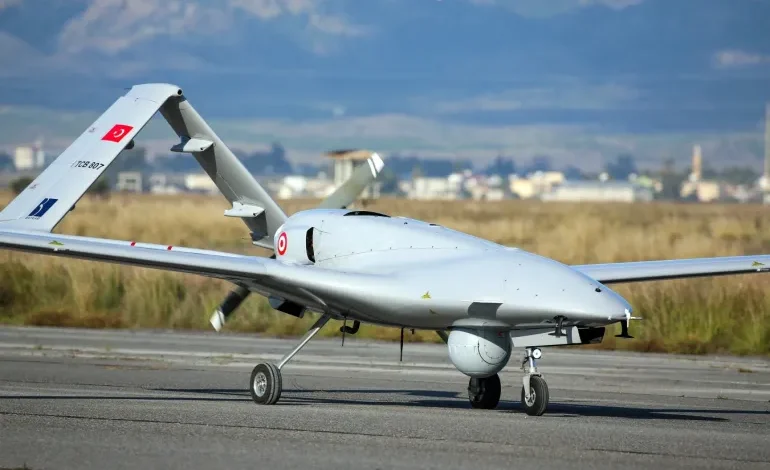
The introduction of Turkish unmanned aerial vehicles, particularly Bayraktar systems and other reconnaissance and strike technologies, represented a major tactical turning point in the course of the conflict, especially in Khartoum and the central and northern regions of Sudan.
Shifting military and civilian power dynamics: These drones provided the Sudanese Armed Forces with significant air superiority and an enhanced capability to detect and destroy the supply lines of the Rapid Support Forces with high precision. However, this advantage did not translate into a decisive military victory. Instead, it prompted the opposing side to adapt its tactics, entrench itself within residential neighborhoods, and increasingly rely on urban guerrilla warfare.
-
Turkish drones in Sudan: when weapons fail and intentions are exposed
-
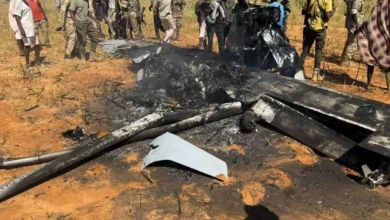
Crash of Drones, Crash of Reputation: Turkish UAVs in Sudanese Skies
Prolonging the conflict: By preventing either side from achieving a complete victory, these weapons contributed to creating a state of “bloody military stalemate.” Whenever one side appeared close to defeat, external technological support enabled it to regain resilience and continue fighting.
Defense privatization contracts: Many of these transactions were reportedly conducted through private defense companies and security contractors linked to influential circles in Ankara. This approach provided Turkey with considerable diplomatic deniability, as such transfers could be portrayed as pre-existing commercial agreements or ongoing technical cooperation, while their practical effect was to sustain the war effort on a daily basis.
-
Turkish Bayraktar Drones: Deepening the Conflict and Worsening the Wounds in Sudan
-
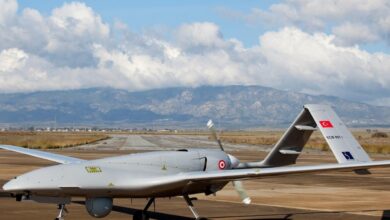
Turkey – Ukraine: agreement to supply Turkish Bayraktar TB2 drones to the Ukrainian Joint Forces
The Human Cost and Infrastructure Destruction Caused by Military Technology
The impact of Turkish military support was not limited to combatants on the front lines. It also contributed to an unprecedented humanitarian catastrophe for civilians. The growing reliance on airstrikes guided by drone-generated coordinates and electronic surveillance systems resulted in widespread destruction of critical infrastructure, hospitals, and marketplaces.
Human rights reports have argued that this form of so-called “smart warfare” transformed Sudanese cities into testing grounds for regional weapons systems, significantly increasing the human cost of the conflict and driving larger numbers of displaced persons and refugees to flee the devastation caused by intensive aerial bombardment.
-
Shadow War in the Black Sea.. Drones Target Three Cargo Ships
-
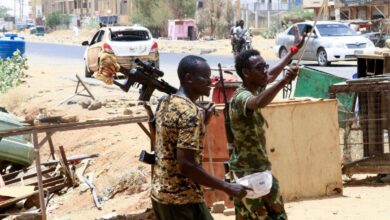
The shadows of drones over Darfur: human stories from a Sudanese crisis prolonged by regional interference
Electronic Warfare and Communications Disruption: Another Dimension of the Invisible Conflict
In addition to drones, Turkish indirect support packages reportedly included advanced electronic jamming systems and encrypted military communication equipment. This logistical assistance helped protect military command-and-control centers from infiltration and contributed to disrupting the operational communications of opposing factions during critical phases of the fighting.
This technological and security dimension added a new layer of complexity to the war. The confrontation is no longer confined to conventional weapons such as rifles and artillery; it has evolved into an intelligence-driven electronic conflict powered by cross-border technologies and expertise. This development has further widened the gap between Sudan’s rival parties and made bridging that divide at the negotiating table increasingly difficult, if not nearly impossible.
-
Sudan Between the Hammer of Its Crises and the Anvil of Turkish Influence
-
Turkish drone strategy tested in Sudan: the failure of Bayraktar and Yiha reveals the limits of Ankara’s military influence
-
Drones and War in Sudan: A New Strike on “Merowe” Plunges the Region into Darkness
-
“Bayraktar TB2”: The Turkish “Demon” in the Sky
-
Turkey Supplies Drones and Weapons to Sudanese Army, Used to Kill Civilians and Displace Them
-
Turkey’s Role in Sudan and the Reshaping of the Balance of Conflict: Between Regional Interests and the Complexities of the Crisis
-
How Have Turkish Interventions Contributed to Prolonging the Sudanese Conflict?