Avocado or Almonds: Which Is Better for Heart Health?
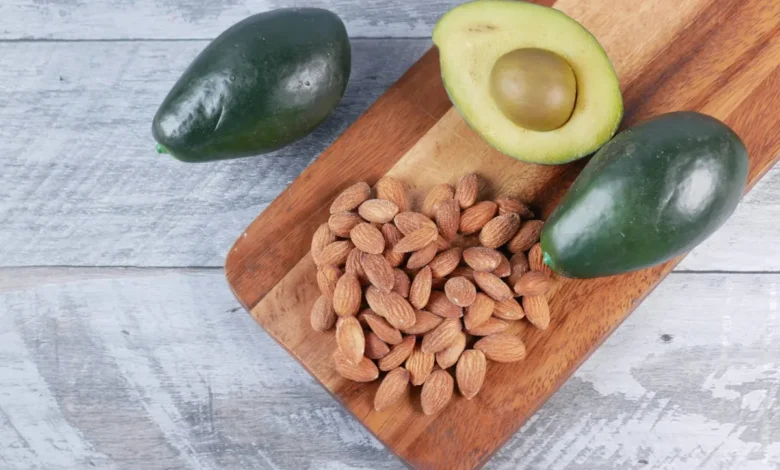
Cardiovascular disease remains the leading cause of death worldwide, making heart-healthy nutrition a major focus of modern medical research. Among the foods most frequently recommended by nutrition experts are avocados and almonds. Both have earned a reputation as nutritional powerhouses because they are rich in healthy fats, fiber, vitamins, minerals, and antioxidants. Numerous scientific studies suggest that including these foods in a balanced diet may help reduce several risk factors associated with heart disease, including high cholesterol, elevated blood pressure, chronic inflammation, and excess body weight.
This naturally raises an important question: if someone had to choose between avocados and almonds, which one would provide greater cardiovascular benefits? According to current scientific evidence, there is no simple winner. Each food offers a unique combination of nutrients that supports heart health through different yet complementary biological mechanisms.
Two excellent sources of healthy fats
For many years, dietary fat was widely viewed as harmful. Modern nutrition science has changed this perspective by distinguishing unhealthy saturated fats from beneficial unsaturated fats.
Both avocados and almonds are particularly rich in monounsaturated fatty acids, which have been consistently associated with improved cardiovascular health. Replacing foods high in saturated fat with these healthier sources may help lower LDL cholesterol while maintaining or even increasing protective HDL cholesterol.
Avocados: a fruit with exceptional cardiovascular benefits
Unlike most fruits, avocados contain very little natural sugar and a substantial amount of healthy fat. This unusual nutritional profile makes them especially valuable for heart health.
They are also an excellent source of dietary fiber, which contributes to cholesterol regulation, digestive health, and improved blood sugar control. Higher fiber intake has consistently been linked to a lower risk of cardiovascular disease, obesity, and type 2 diabetes.
Avocados are naturally rich in potassium, an essential mineral that supports normal heart muscle function and helps regulate blood pressure by balancing the effects of sodium.
In addition, avocados contain antioxidants such as lutein and carotenoids that help protect cells from oxidative stress, one of the biological processes involved in cardiovascular aging.
Almonds: small nuts with remarkable nutritional value
Almonds are among the most extensively studied tree nuts in nutritional science.
They provide generous amounts of vitamin E, magnesium, fiber, plant protein, and heart-healthy fats.
Vitamin E serves as a powerful antioxidant that protects cells from oxidative damage, while magnesium plays a crucial role in regulating blood pressure, maintaining normal heart rhythm, and supporting hundreds of enzymatic reactions throughout the body.
The combination of protein and fiber also promotes long-lasting fullness, making almonds a useful food for healthy weight management.
Which food is better for cholesterol?
Both foods improve cholesterol profiles, although through slightly different mechanisms.
Regular almond consumption has been associated with reductions in LDL cholesterol thanks to their combination of unsaturated fats, fiber, and plant sterols.
Avocados produce similar improvements through their abundance of monounsaturated fats and soluble fiber. Some clinical studies even suggest that replacing foods rich in saturated fat with avocado may improve cholesterol levels more effectively than certain traditional low-fat diets.
These findings suggest that both foods contribute positively when they replace less nutritious dietary choices.
Their effects on blood pressure
Healthy blood pressure is one of the most important factors in cardiovascular prevention.
Avocados provide particularly high amounts of potassium, whereas almonds supply significant quantities of magnesium.
Potassium helps the body eliminate excess sodium, while magnesium supports relaxation of blood vessel walls, improving vascular function.
Together, these minerals contribute to maintaining healthy blood pressure and reducing cardiovascular strain.
Can they help with weight management?
Some people avoid avocados and almonds because they are relatively high in calories.
However, research consistently shows that moderate consumption of these foods does not necessarily promote weight gain.
Their combination of healthy fats, fiber, and protein increases satiety, helping people feel satisfied for longer periods and potentially reducing unnecessary snacking.
This demonstrates that the nutritional quality of calories is often more important than calorie content alone.
Benefits beyond heart health
The health advantages of avocados and almonds extend well beyond cardiovascular protection.
Avocados enhance the absorption of fat-soluble vitamins from vegetables, while almonds support bone health through their magnesium, phosphorus, and calcium content.
Both foods also contribute to reducing chronic inflammation and oxidative stress, two biological processes involved in aging and many chronic diseases.
Which one should you choose?
According to most nutrition experts, choosing between avocados and almonds is unnecessary.
Each food offers unique nutritional strengths that complement one another. Avocados provide more potassium and soluble fiber, whereas almonds deliver higher amounts of vitamin E, magnesium, and plant protein.
Including both foods regularly as part of a varied dietary pattern allows individuals to benefit from the strengths of each.
Conclusion
Comparing avocados and almonds is ultimately a comparison between two exceptionally nutritious foods rather than identifying a single winner. Scientific evidence shows that both support cardiovascular health through different but complementary mechanisms. Their healthy fats, fiber, vitamins, minerals, and antioxidant compounds contribute to improved cholesterol levels, healthier blood pressure, better weight management, and reduced inflammation. Instead of choosing one over the other, nutrition specialists generally recommend incorporating both into a balanced diet, alongside regular physical activity and other healthy lifestyle habits, to achieve the greatest long-term benefits for heart health.