Escalation in Southern Libya: Armed Operation Disrupts the Path Toward De-escalation
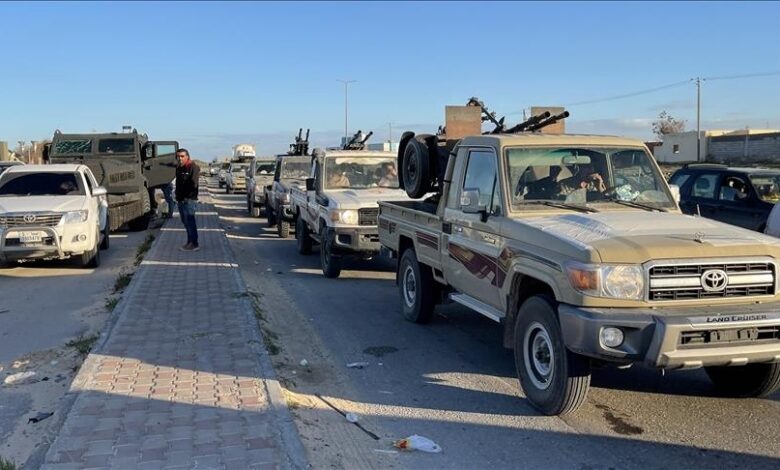
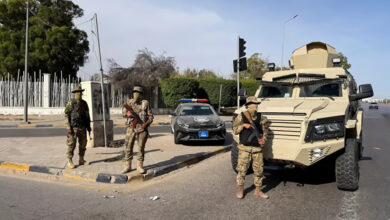
Southern Libya returned to the forefront of the country’s security landscape in the early hours of Saturday following an armed operation targeting positions belonging to the General Command of the Libyan National Army.
-
Libya between the UN track and the American initiative: international divergence over the future
-
Death of the Chief of Staff of Western Libya’s army in a plane crash returning from Ankara
A group calling itself the “Southern Liberation Operations Room” announced that it had carried out an armed operation against positions affiliated with the General Command of the Libyan National Army in the Fezzan region of southern Libya, an area regarded as one of the country’s most sensitive and complex strategic theaters.
The operation comes at a particularly delicate moment, as Libya continues its efforts to strengthen the security and military process and support initiatives aimed at unifying the country’s military institution. Consequently, any escalation on the ground in the south is closely monitored both domestically and internationally, as it represents a new test of the ceasefire agreement signed in October 2020.
-
Haftar launches army development plan amid security challenges
-
The Libyan Presidencies Authority: A step toward unity or a new layer of political fragmentation?
What happened?
In a statement, the Southern Liberation Operations Room said that its First Reconnaissance Company had carried out what it described as a high-quality operation against military positions that it accuses of being involved in fuel smuggling and narcotics trafficking.
The group stated that it had seized several military vehicles and captured members of the targeted force, while pledging to continue its operations across various areas of southern Libya.
The General Command of the Libyan National Army has not issued any official statement confirming or denying the claims made by the armed group, leaving the exact circumstances and actual outcome of the operation awaiting further clarification.
In the absence of a comprehensive official military account, it remains too early to assess the full operational consequences of the incident.
-
Haftar Redraws the Parameters of the Libyan Solution on the Foundations of Sovereignty and National Consensus
-
Libyans Persist in Street Protests to Oust Dbeibeh — A Message to Tetteh
Condemnation and Warnings
In its first official response, the Sebha Municipal Council condemned the attack on army positions, stating that targeting military units and security checkpoints constitutes a direct threat to national stability and an attempt to undermine state institutions.
The Council called on the various social and tribal communities in southern Libya to preserve civil peace and reject any attempts to incite unrest or deepen local divisions.
These reactions reflect growing concern that the incident could become the catalyst for broader confrontations in a region where security considerations are closely intertwined with tribal and ethnic balances, as well as with complex economic interests linked to open borders and smuggling networks.
-
The hopes of Libyans rest on a political breakthrough with elections next year
-
Militia Power: The Kidnapping of an Intelligence Officer Denies Europe Access to Libyan Gas
Southern Libya: The Core of the Country’s Security Challenge
The Fezzan region occupies an exceptionally strategic position within Libya, not only because of its vast geographical area but also because of its location, connecting Libya with several countries across the Sahel and Sahara regions.
In recent years, the area has become one of the principal battlegrounds against irregular migration networks, smuggling operations, and organized crime. It also serves as a transit corridor for armed groups and extremist organizations operating throughout the African Sahel.
For this reason, since 2019 the General Command of the Libyan National Army has carried out a series of military operations aimed at consolidating control over southern cities and securing oil fields, airports, strategic facilities, and the transportation routes linking Libya’s border regions.
-
The Libyan Eastern Government Searches for Abducted Deputy
-
Dbeibeh sparks anger among Libyans with these statements
Although the level of large-scale military confrontations has declined in recent years, southern Libya continues to witness intermittent security incidents that highlight the ongoing challenges associated with controlling vast desert territories and managing the complex interplay of local and regional interests.
A New Test for the Ceasefire
The incident comes after several encouraging developments in military coordination between eastern and western Libya, most notably the participation of units from both sides in the Flintlock military exercises held in the city of Sirte with the support of the United States Africa Command (AFRICOM). Many observers viewed this initiative as evidence of growing political and military will to bring Libya’s divided military institutions closer together.
-
A Tripartite Libyan Agreement on Elections… Will the Situation in the Country Calm Down?
-
The Dbeibeh government denies leasing the port of al-Khums to the Turkish army
Against this backdrop, any renewed clashes in southern Libya could provide opponents of the unification process with an opportunity to revive the security and military polarization that characterized earlier phases of the Libyan conflict.
Who Is the “Southern Liberation Operations Room”?
The Southern Liberation Operations Room has emerged in recent years as one of the armed formations operating in parts of the Fezzan region. From time to time, the group claims responsibility for operations targeting forces affiliated with the General Command.
-
Eastern Libyan government rejects Washington’s support for Dbeibeh in the oil file
-
First meeting between the leaders of the eastern and western Libyan armies
The organization presents itself as a force dedicated to combating smuggling and organized crime, whereas the General Command classifies it as an armed group operating outside the authority of the state.
Reliable information regarding the group’s size, geographical reach, organizational structure, or sources of funding remains scarce, contributing to the uncertainty surrounding both its actual military capabilities and its underlying objectives.
-
Disagreements between Aguila Saleh and al-Mishri delay Libyan elections
-
Haftar asks Libyans to chart the future after International failure
-
Cairo consultations… last chance to address controversial issues and save the Libyan state
-
Disputes rock Libyan State Council… and new clashes in Tripoli
-
Libyan army denied meeting of Field Marshal Khalifa Haftar, with the outgoing Prime Minister