The Heat Dome: What Turned Europe into an Open-Air Furnace?
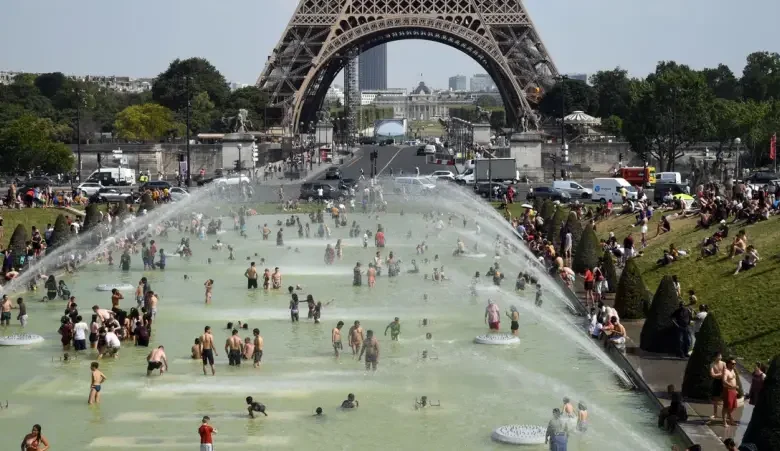
In recent years, Europe has experienced several exceptional heatwaves, with temperatures rising far above seasonal averages across many countries. These extreme weather events have often been described as turning the continent into an “open-air furnace” because of their severe effects on public health, the environment, agriculture, and infrastructure. One of the main meteorological phenomena responsible for these prolonged periods of extreme heat is the heat dome. Although the term may sound unfamiliar, it refers to a well-known atmospheric pattern that can trap hot air over a region for several days or even weeks, leading to persistent and dangerous temperatures.
-
Scientists Warn That the World Has Entered a “New Climate Era”… What Is the Cause?
-
Gen Z’s Climate Anxiety: Thoughts on Future Disasters
A heat dome forms when a large area of high atmospheric pressure settles over a region. This high-pressure system acts like a lid, preventing hot air from escaping into the upper atmosphere. As the trapped air slowly sinks, it becomes compressed and warms even further. At the same time, cloud formation is greatly reduced, allowing intense sunlight to reach the Earth’s surface throughout the day. During the night, much of the accumulated heat remains trapped near the ground, preventing temperatures from cooling sufficiently. As a result, each successive day becomes hotter, creating a cycle of prolonged and intensifying heat.
The consequences of a heat dome can be widespread and severe. Prolonged exposure to extreme temperatures increases the risk of dehydration, heat exhaustion, and heatstroke, particularly among older adults, young children, outdoor workers, and people living with chronic illnesses. Heatwaves also place considerable pressure on healthcare systems and increase electricity demand due to greater use of air conditioning. In addition, dry and hot conditions raise the likelihood of wildfires and can seriously affect agriculture by damaging crops, reducing soil moisture, and lowering agricultural productivity. Water resources may also become increasingly strained during extended periods of intense heat.
-
Birds Facing Climate Change: Diverse Strategies for Survival
-
Climate Change Could Make Rice More Toxic: A Global Health Concern
Scientists emphasize that heat domes are not new weather phenomena. They have occurred naturally throughout history under specific atmospheric conditions. However, climate change is believed to increase the likelihood that these events will become more frequent, more intense, and longer-lasting. A warmer atmosphere contains more heat energy, making extreme temperatures more likely when persistent high-pressure systems develop. Researchers continue to investigate the complex relationship between global warming, atmospheric circulation, and extreme weather events to improve climate predictions and risk assessment.
To reduce the health risks associated with heat domes, public health authorities recommend several preventive measures. People are encouraged to drink water regularly, avoid strenuous physical activity during the hottest hours of the day, wear lightweight clothing, keep indoor environments as cool as possible, and pay special attention to vulnerable individuals. Many cities are also investing in long-term adaptation strategies, including planting more trees, expanding green spaces, improving building insulation, and developing emergency response plans to better manage future heatwaves.
-
Study: The World Turns Off Its Lights Tonight… Earth Hour Rings the Climate Alarm
-
Scientists Warn the World is Entering a “New Climate Era”… What’s the Cause?
In conclusion, a heat dome is a powerful atmospheric phenomenon capable of producing exceptionally high temperatures for extended periods. Although it is part of the Earth’s natural weather system, its impacts may become more severe in a warming climate. Understanding how heat domes develop is essential for improving weather forecasting, strengthening public health preparedness, and helping societies adapt to increasingly frequent episodes of extreme heat while protecting both people and the environment.
-
Climate Change Threatens Persimmon Harvest in Taiwan
-
After Hurricane “Daniel”… How Does Climate Change Threaten Libya?