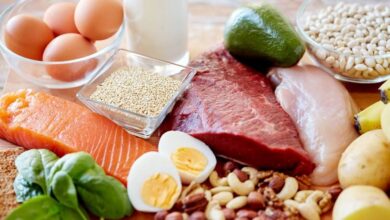
Salmon Tops the List of Foods That Support Healthy Aging
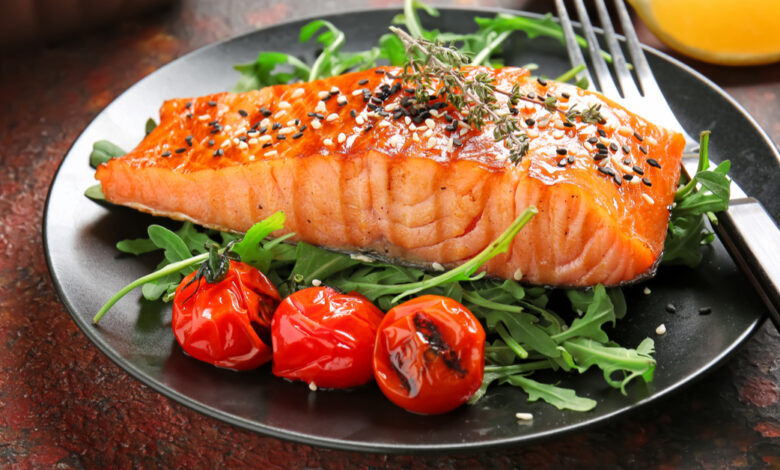
As people grow older, their nutritional needs change, making a balanced diet more important than ever for maintaining health, independence, and quality of life. Among the foods most frequently recommended by nutrition experts, salmon stands out as one of the best choices for older adults. Rich in high-quality protein, omega-3 fatty acids, vitamins, and essential minerals, salmon provides a unique combination of nutrients that supports many vital body functions. Regularly including salmon in a varied and balanced diet may help reduce the risk of several age-related diseases while promoting healthy aging and overall well-being.
-
How to Naturally Raise Good HDL Cholesterol
-
Does Milk Really Strengthen Bones? Scientific Analysis and Recommendations
One of salmon’s greatest nutritional advantages is its high content of omega-3 fatty acids, particularly EPA and DHA. These healthy fats are widely recognized for their positive effects on cardiovascular health. They help reduce inflammation, support healthy blood vessels, lower triglyceride levels, and contribute to maintaining normal blood pressure. Since the risk of heart disease increases with age, these protective properties are especially valuable for older adults. Regular consumption of salmon may therefore help support heart health and improve blood circulation, contributing to a healthier and more active lifestyle.
Salmon also plays an important role in maintaining brain health. The omega-3 fatty acids it contains are essential for preserving memory, concentration, and overall cognitive function. Several scientific studies suggest that diets rich in fatty fish may be associated with a lower risk of age-related cognitive decline. In addition, salmon is an excellent source of vitamin D, a nutrient that many older adults do not obtain in sufficient amounts, as well as vitamin B12, which is essential for proper nervous system function and the production of healthy red blood cells. Together, these nutrients help support mental performance and overall neurological health.
-
Can You Get Vitamin D Through Glass? Scientific Analysis and Recommendations
-
Taking Vitamin D Incorrectly Can Endanger Your Health
Another important benefit of salmon is its high-quality protein content. As people age, they naturally lose muscle mass, a condition known as sarcopenia, which can reduce strength, mobility, and independence while increasing the risk of falls. The complete proteins found in salmon help maintain muscle tissue, support muscle repair, and preserve physical strength, especially when combined with regular physical activity. Salmon also provides selenium, phosphorus, and potassium, minerals that contribute to healthy bones, strong muscles, and a well-functioning immune system.
In addition to its nutritional value, salmon is a practical and versatile food that can easily be included in a healthy diet. It can be baked, grilled, or steamed, allowing it to retain most of its valuable nutrients without requiring excessive amounts of added fat. Nutrition professionals generally recommend serving salmon with vegetables, whole grains, or legumes to create a balanced meal that supplies a wide range of essential nutrients needed for healthy aging.
-
Avocado and Green Tea – Major Allies for Brain Health
-
5 Common Summer Health Issues and How to Prevent Them
In conclusion, salmon fully deserves its reputation as one of the healthiest foods for older adults. Its exceptional combination of omega-3 fatty acids, high-quality protein, vitamins, and minerals makes it an excellent choice for supporting heart health, preserving brain function, maintaining muscle mass, and strengthening the body’s natural defenses. Although no single food can prevent all age-related diseases, regularly eating salmon as part of a balanced diet and healthy lifestyle can make a meaningful contribution to long-term health and successful aging.
-
Can Omega-3 Supplements Protect Seniors from Dementia?
-
Effective Methods to Control Cortisol and Lower Blood Pressure
-
Can You Get the Benefits of Retinol from Food?