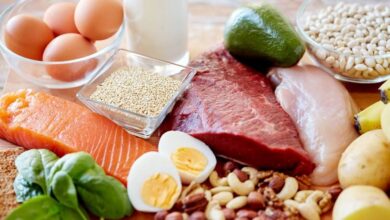
Are Frozen Foods as Healthy as Fresh Foods? The Answer May Surprise You
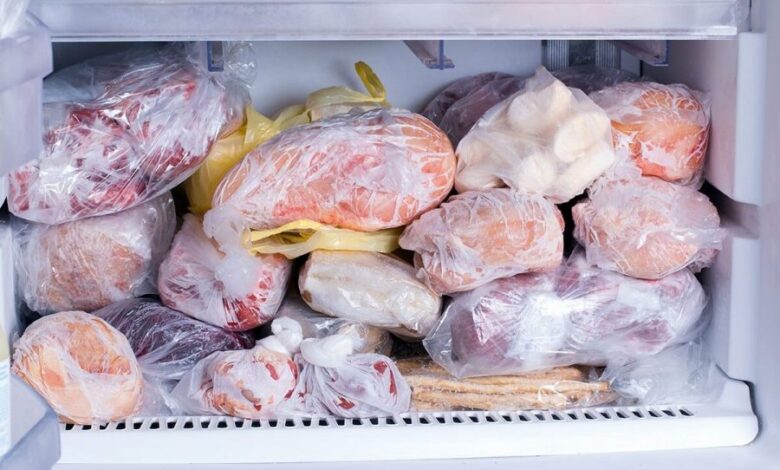
Many people believe that frozen foods are less nutritious than fresh foods because they assume that freezing destroys vitamins and reduces food quality. However, scientific research paints a very different picture. In many cases, frozen foods retain most of their nutritional value and can even provide more nutrients than fresh products that have spent several days being transported, stored, or displayed before reaching consumers. The nutritional quality of food depends not only on whether it is fresh or frozen but also on when it was harvested, how it was preserved, and how it is prepared before consumption.
-
Popular foods to avoid combining with avocado to reduce certain health risks
-
Common foods potentially linked to worsening joint pain: mechanisms and individual variability
Fruits and vegetables intended for freezing are usually harvested at peak ripeness, when their levels of vitamins, minerals, and antioxidants are at their highest. Shortly after harvesting, they are washed, sometimes briefly blanched, and then frozen rapidly at very low temperatures. This process slows down the natural chemical reactions responsible for nutrient loss. By contrast, fresh produce may gradually lose important nutrients, especially vitamin C and certain B vitamins, while it is transported, stored in supermarkets, or kept in household refrigerators for several days before being eaten.
Freezing also preserves dietary fiber, proteins, carbohydrates, and most minerals very effectively. Although the blanching process may cause a slight reduction in some heat-sensitive vitamins, these losses are generally small. Most beneficial nutrients remain well preserved after freezing. For this reason, nutrition experts consider frozen fruits and vegetables to be an excellent alternative when fresh produce is unavailable, expensive, or out of season.
-
Can ultra-processed foods increase the risk of cognitive decline? Understanding mechanisms and implications for brain health
-
Seven magnesium-rich foods that may reduce the need for supplements
It is important, however, to distinguish naturally frozen foods from frozen processed meals. Plain frozen vegetables, unsweetened frozen fruits, frozen fish, and frozen meat generally maintain excellent nutritional quality. On the other hand, many frozen ready-made meals may contain high amounts of salt, added sugars, saturated fats, and food additives designed to improve flavor or extend shelf life. Reading nutrition labels carefully allows consumers to choose healthier frozen products and avoid highly processed options.
Frozen foods also offer several practical advantages. They can be stored safely for months while maintaining much of their nutritional quality, helping to reduce food waste. They also make it possible to enjoy a wide variety of fruits, vegetables, and other nutritious foods throughout the year, even when fresh products are unavailable or more expensive. This convenience makes it easier for individuals and families to maintain a balanced and healthy diet regardless of the season.
-
How to Ensure the Safety of Fermented Foods
-
How Fatigue Drives You Toward Foods That Accelerate Aging: Mechanisms and Implications
In conclusion, frozen foods are not necessarily less healthy than fresh foods. When they are minimally processed and properly stored, they provide nutritional value that is very similar to that of fresh products while offering significant convenience and reducing food waste.
The healthiest choice depends more on the quality of the food, its preparation, and the overall balance of the diet than on whether it is fresh or frozen. Both fresh and frozen foods can play an important role in supporting long-term health and good nutrition.
-
Processed foods may increase the risk of cancer and diabetes
-
Why do we crave sweet foods at breakfast?
-
Study Reveals the Impact of Processed Foods on Children’s Mental Health
-
U.S. study: Ultra-processed foods threaten brain health