Are Frozen Foods as Healthy as Fresh Foods? The Answer May Surprise You
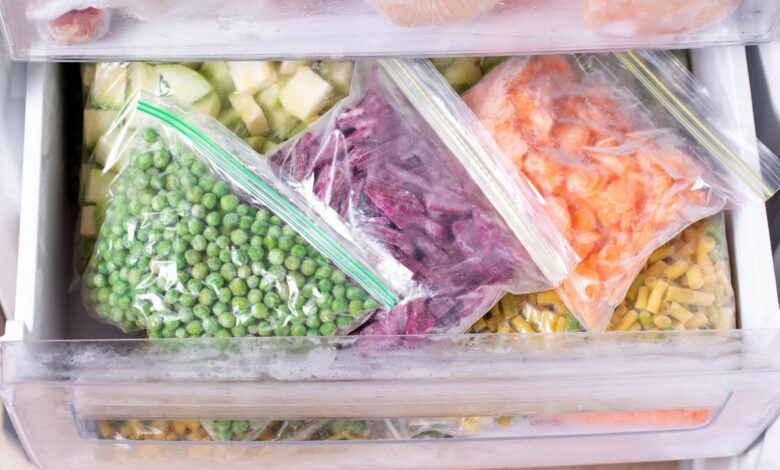
Frozen foods have often been considered less nutritious than fresh foods, leading many consumers to believe that freezing significantly reduces their health benefits. However, scientific research suggests that this common belief is not always accurate. In many situations, frozen fruits, vegetables, fish, and other foods retain nutritional values that are very similar to those of fresh products. The nutritional quality of food depends not only on whether it is fresh or frozen but also on when it is harvested, how it is preserved, and how long it takes to reach the consumer. Fresh produce may spend several days in transportation, storage facilities, supermarkets, and home refrigerators before being eaten, during which time certain vitamins, particularly vitamin C and some B vitamins, gradually decline.
-
Are Frozen Foods as Healthy as Fresh Foods? The Answer May Surprise You
-
Foods to always have in your pantry
Foods intended for freezing are generally harvested at peak ripeness, when their concentrations of vitamins, minerals, and antioxidants are at their highest. Soon after harvesting, they are cleaned, sometimes briefly blanched, and then rapidly frozen at very low temperatures. This process slows down the natural chemical reactions responsible for nutrient loss, allowing most of the nutritional value to be preserved. Dietary fiber, proteins, carbohydrates, and the majority of minerals remain largely unaffected by freezing. As a result, frozen foods often represent an excellent alternative to fresh produce, especially when fresh products are unavailable or out of season.
It is important, however, to distinguish between naturally frozen foods and highly processed frozen meals. Plain frozen vegetables, unsweetened frozen fruits, frozen fish, and frozen meat generally maintain excellent nutritional quality. By contrast, many frozen ready-made meals contain excessive amounts of salt, added sugars, saturated fats, and preservatives that can reduce their overall health benefits. Reading nutrition labels and selecting products with simple ingredient lists can help consumers make healthier choices while enjoying the convenience of frozen foods.
-
How to preserve cooked food during travel and protect it from spoilage
-
For a healthier summer: seven naturally sweet fruits that can outperform sugary desserts
Frozen foods also provide several practical advantages. They can be stored safely for several months while preserving much of their nutritional quality, helping to reduce food waste. In addition, they make it possible to consume a wide variety of fruits and vegetables throughout the year, even when seasonal fresh produce is unavailable or expensive. This accessibility encourages healthier eating habits and makes it easier for individuals and families to maintain a balanced diet regardless of the season.
Nevertheless, proper food safety practices remain essential. Frozen foods should be stored at the recommended freezing temperature and should not be refrozen after they have been completely thawed, as repeated freezing and thawing may encourage bacterial growth and reduce food quality. Proper cooking also helps ensure food safety while preserving nutritional value.
-
Flavonoids – Nature’s Defense Against Aging
-
5 Fruits that you wouldn’t know have more potassium than a Banana
In conclusion, frozen foods can be just as healthy as fresh foods when they are minimally processed and stored correctly. Freezing is an effective preservation method that maintains most essential nutrients while extending shelf life and reducing food waste. Rather than choosing between fresh and frozen foods, consumers should focus on selecting high-quality products and maintaining a varied, balanced diet that meets their nutritional needs throughout the year.
-
Green beans, the wonder food of your festive meals?
-
Popular foods to avoid combining with avocado to reduce certain health risks
-
Common foods potentially linked to worsening joint pain: mechanisms and individual variability