Intermittent Fasting May Help Treat Gum Disease
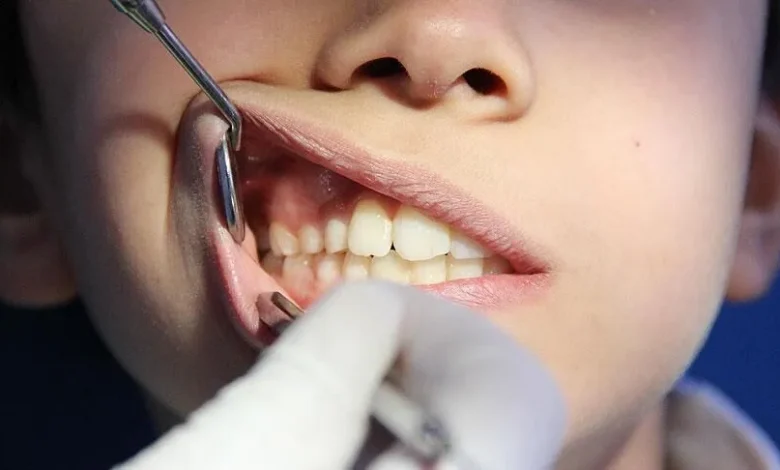
Periodontal diseases, including gingivitis and periodontitis, are among the most common oral health conditions worldwide. They are primarily caused by bacterial plaque buildup, but their progression is also influenced by several factors such as smoking, diabetes, stress, diet, and the body’s inflammatory response. Recent research suggests that intermittent fasting could become a valuable complement to conventional treatments for gum disease.
Intermittent fasting involves alternating between periods of eating and fasting according to different schedules, such as the popular 16:8 method or 24-hour fasting once or twice a week. Originally studied for its effects on weight management and metabolism, this dietary approach is now attracting growing interest in dentistry because of its anti-inflammatory properties.
Researchers believe that intermittent fasting may reduce chronic inflammation by lowering the production of inflammatory molecules involved in the gradual destruction of the tissues supporting the teeth. Reducing inflammation could slow the progression of periodontitis and promote better healing of gum tissue following dental treatment.
Intermittent fasting may also improve blood sugar control in people with type 2 diabetes. This benefit is particularly significant because diabetes is one of the major risk factors for periodontal disease. Better glucose regulation may reduce inflammatory complications that affect the gums and contribute to disease progression.
Some studies also suggest that fasting stimulates autophagy, a natural cellular recycling process that removes damaged cells and supports tissue regeneration. This mechanism could help maintain healthier oral tissues, although scientists emphasize that additional human studies are needed to confirm these potential benefits.
Furthermore, intermittent fasting may encourage individuals to reduce the frequency of consuming sugary foods and snacks. Eating less frequently limits the growth of plaque-forming bacteria and may help preserve a healthier balance of the oral microbiome.
However, dental experts emphasize that intermittent fasting should not be considered a standalone treatment for gum disease. Professional dental care, including scaling and root planing when necessary, along with proper daily oral hygiene and regular dental check-ups, remains essential for preventing and treating periodontal conditions effectively.
Intermittent fasting is not appropriate for everyone. Pregnant women, children, individuals with eating disorders, and people with certain chronic medical conditions should seek medical advice before adopting this eating pattern.
Research exploring the relationship between intermittent fasting and oral health is still evolving. Nevertheless, the current findings suggest that a carefully supervised nutritional strategy could complement conventional periodontal therapy, reduce inflammation, and contribute to better oral and overall health.