First Shipment of Iraqi Fuel Oil Reaches the United States via Syria
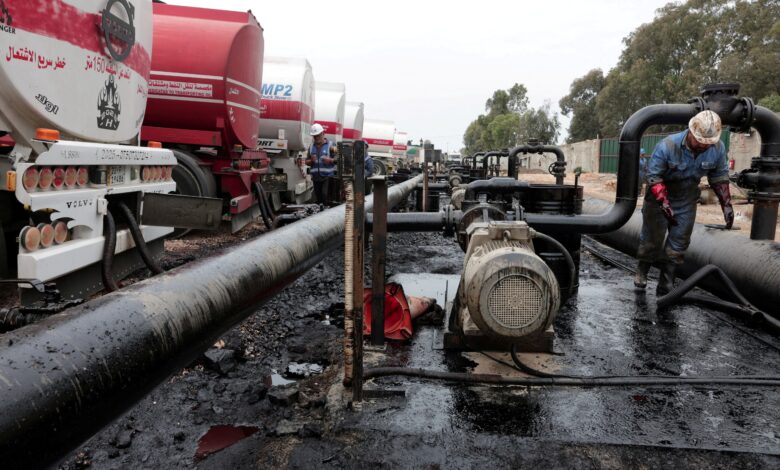
Three medium-sized tankers are loading fuel oil at the Syrian port of Banias on the Mediterranean coast for delivery to the U.S. Gulf Coast.
The United States has begun importing Iraqi-origin fuel oil shipped via Syria for the first time, according to shipping data and two sources familiar with the matter. The development comes as Iraq seeks to expand an export route through the Mediterranean that was established after Gulf trade routes were disrupted earlier this year.
-
Syria Foils Arms Smuggling Attempt Across the Border; Shipment Was Allegedly Bound for Lebanon’s Hezbollah
-
OPEC Reduces 2021 Oil Demand Forecast, Expects Gas Price Surge to Help
The alternative route is another example of how shipping companies are seeking ways to move supplies around the world while bypassing the Strait of Hormuz, which has remained effectively closed for several months, disrupting oil exports from the Gulf amid the ongoing war with Iran.
Shipping data from Kpler showed that three medium-sized Aframax tankers loaded fuel oil at the Syrian Mediterranean port of Banias between June and July for delivery to the U.S. Gulf Coast. Sources with direct knowledge of operations at the Syrian port said the fuel oil was of Iraqi origin.
The first tanker, On Passion, left Banias on June 17 carrying approximately 716,600 barrels of fuel oil. Kpler data showed that around 487,600 barrels were discharged in the Bahamas in mid-July, while the remaining volume is scheduled to be discharged in Texas later in the month.
-
War-weary Iran: why did it choose the Strait of Hormuz as the arena for retaliation?
-
Violent Clashes and Escalating Tensions… What are the Latest Developments in Kirkuk, Iraq, and What Are Their Causes?
According to Kpler data, the tanker Nissos Christina loaded approximately 288,500 barrels at Banias and departed by July 8. Its cargo is scheduled to be discharged on the U.S. Gulf Coast in early August. Meanwhile, the tanker Green Warrior loaded nearly 414,400 barrels of fuel oil between mid- and late July and is expected to arrive in the United States during the third week of August.
The sources said the shipments consist of Iraqi fuel oil transported by truck across the border into Syria before being loaded at Banias. Kpler said these were the first-ever shipments of fuel oil from Syria to the United States.
An engineer at Banias port said Syria had not exported crude oil or petroleum products for years, apart from a single shipment in September 2025. “All current shipments from Banias are limited to Iraqi fuel oil,” the engineer added.
-
The Sunni and Shia Components: Renewed US-Iranian Conflict Escalates in Iraq – Key Scenarios
-
Iraqi Forces Raid the Green Zone as Part of a Major Anti-Corruption Campaign
The Syrian Petroleum Company said in June that Banias port had been loading one tanker of Iraqi fuel oil every seven to ten days since the new re-export route was established in early May. The route is supported by around 900 fuel trucks that unload supplies on a daily basis.
Shipping data from the London Stock Exchange Group showed that Iraqi fuel oil exported via Banias had been delivered to various customers, including Spain and Egypt, by sea through the Mediterranean.
Reuters reported last month that Iraq planned to expand the arrangement by exporting crude oil and naphtha through Syria after being forced to seek alternative export routes due to disruptions to shipping traffic through the Strait of Hormuz.
-
Changes in the Iranian Leadership Create Uncertainty Among Iraqi Factions
-
An Iraqi Faction’s Rejection of State Control over Weapons Threatens Confrontation with the Government
Iraqi and Syrian officials said Baghdad intended to continue using the Syrian corridor even after traffic through the Strait of Hormuz returned to normal, as part of a policy aimed at diversifying exports and reducing reliance on a single route.
The sources said Syria had prepared facilities at Banias to handle crude oil and naphtha. However, exports of these two products have not yet begun, and re-export operations are currently limited to fuel oil. According to Kpler, the United States has been directly importing Iraqi fuel oil since March.
-
Asaib Ahl al-Haq Joins the Call to Place Weapons Exclusively Under the Authority of the Iraqi State
-
How a secret Israeli base in the Iraqi desert evaded army radar and was spotted by a shepherd
The data showed that U.S. fuel oil imports typically come from suppliers including Mexico, Algeria, and Iraq. Matt Smith, head of commodity research at Kpler, said: “It appears to be a balancing act: the port of Banias has increased fuel oil exports in recent months, while the United States is being forced to fill the supply gap caused by the disruption of flows from the Gulf in the Middle East.”
These shipments highlight how regional trade flows continue to evolve following disruptions to maritime shipping in the Gulf caused by the war with Iran. Iraq is increasingly relying on the Syrian port to reach customers in Europe and Africa, and now in North America.
-
A military aircraft destroyed in a missile strike on an Iraqi base
-
Accusations against Iran of using Iraqi militias to suppress protests
-
Growing Calls to Turn Halabja into an Iraqi Governorate and Justice for the Victims