Type 2 Diabetes May Threaten Hearing
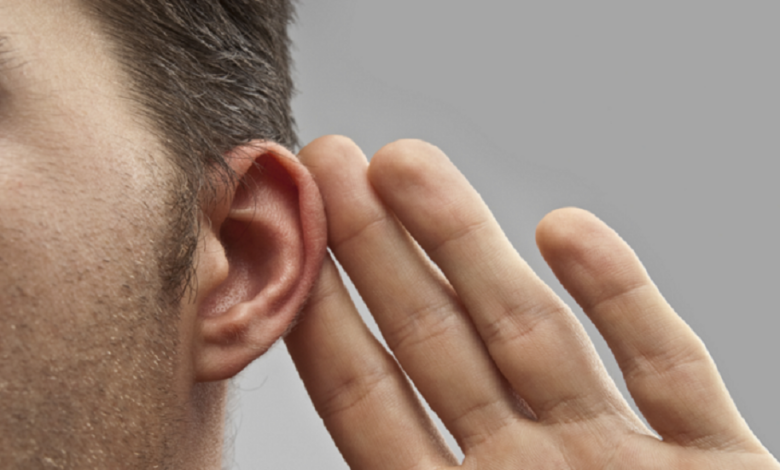
Type 2 diabetes is widely recognized for its impact on blood sugar regulation, cardiovascular health, kidney function, and vision. However, a growing body of scientific evidence suggests that this chronic disease may also affect hearing. Researchers indicate that individuals living with type 2 diabetes face a greater risk of developing hearing loss, particularly when blood glucose levels remain poorly controlled over an extended period.
-
Chronic Stress Increases the Risk of Developing Type 2 Diabetes
-
Could natural food colorings increase the risk of diabetes and cancer?
The inner ear is an exceptionally delicate organ supplied by an intricate network of tiny blood vessels and sensory nerve cells. Persistently elevated blood sugar can damage these fragile structures, reducing the delivery of oxygen and essential nutrients needed for normal hearing. Over time, this damage may impair the ear’s ability to convert sound vibrations into signals that can be processed by the brain.
Scientists also believe that diabetes may affect the auditory nerve, which carries sound information from the inner ear to the brain. Nerve damage, a common complication of diabetes, is not limited to the hands and feet. It can also involve the auditory pathways, contributing to a gradual decline in hearing ability.
-
Can the ketogenic diet help treat diabetes? An analysis of mechanisms, potential benefits, and limitations
-
Lifestyle Changes Can Significantly Improve Diabetes Management
Hearing loss associated with diabetes often develops slowly and may go unnoticed in its early stages. Initial symptoms can include difficulty understanding conversations in noisy environments, the need to increase the volume of televisions or mobile devices, or the impression that sounds have become muffled. Because these changes occur progressively, they are frequently mistaken for normal age-related hearing decline.
Several additional factors may further increase the risk, including older age, high blood pressure, elevated cholesterol levels, smoking, and obesity. These conditions commonly coexist with type 2 diabetes and can worsen blood circulation, increasing damage to the sensitive structures responsible for hearing.
-
Is the ketogenic diet beneficial for people with type 2 diabetes?
-
How diabetes slowly affects the skin, eyes, and nerves
Healthcare professionals emphasize that maintaining good blood sugar control remains one of the most effective ways to protect hearing health. A balanced diet, regular physical activity, adherence to prescribed medication, and routine medical follow-up can significantly reduce the likelihood of diabetes-related complications while preserving both blood vessels and nerve function.
People living with diabetes are also encouraged to report any changes in their hearing as soon as possible. Regular hearing assessments may help detect early hearing impairment, allowing timely intervention before significant hearing loss occurs.
-
Processed foods may increase the risk of cancer and diabetes
-
Your Eyes Could Reveal Early Signs of Diabetes
Although researchers continue to investigate the precise biological mechanisms linking type 2 diabetes and hearing impairment, current evidence highlights the importance of comprehensive diabetes management.
Protecting metabolic health not only helps preserve the heart, kidneys, and eyes but may also play a crucial role in maintaining healthy hearing and overall quality of life over the long term.
-
The Potential Role of Mango in Diabetes Prevention
-
E-cigarettes may increase the risk of diabetes: an emerging public health concern
-
Can DNA Reveal the Risk of Diabetes and Heart Disease?