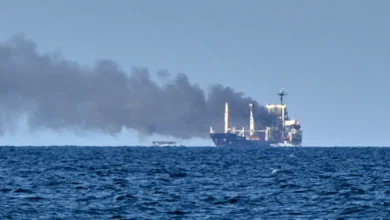
The world is preparing for a wave of hunger as the wars in Iran and Ukraine continue
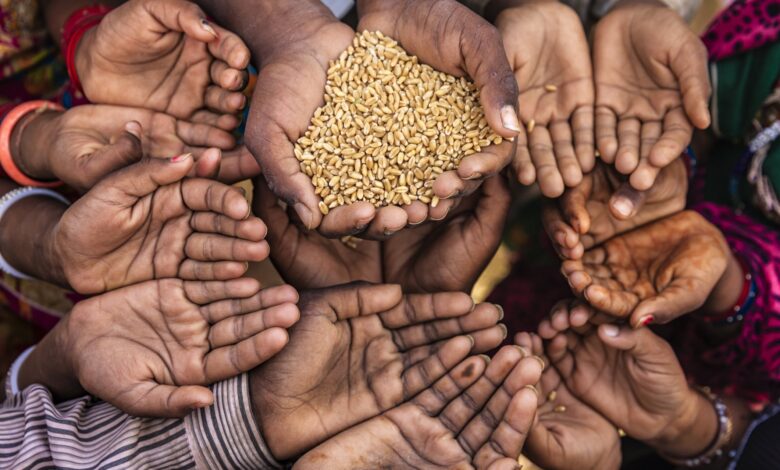
Rising crude oil prices, shortages of fertilizers from the Gulf region, diesel shortages, and adverse weather conditions are driving up costs that will eventually be reflected in consumer prices.
Economists and food-security experts warn that the world is approaching a new wave of rising food prices as pressures intensify due to the ongoing war in Ukraine, the military escalation in Iran, and the expected impact of the El Niño phenomenon on global agricultural production.
-
Hunger, Displacement, and War: The Triangle of Terror in Darfur
-
Gaza Tragedy: Hunger Claims Children’s Lives Amid Siege
Máximo Torero, chief economist at the United Nations Food and Agriculture Organization (FAO), stated that these combined factors could lead to higher agricultural production costs, lower crop yields, and increased food prices after a period of relative stability.
Despite the years that have passed since its outbreak, the war in Ukraine continues to cast a shadow over global food markets. The country remains one of the world’s leading exporters of wheat, corn, and sunflower oil, and any disruption to production or exports quickly affects international markets.
Attacks on port infrastructure, disruptions to shipping routes, and rising transportation and insurance costs have also contributed to higher grain prices and reduced supplies available to importing countries, particularly in the Middle East and Africa.
-
From Heat Waves to Political Crises… The World Faces the Worst Wave of Food Insecurity
-
Collapse of the Sudanese Pound and the Failure of the Port Sudan Authorities: Sudan Staggers Toward an Unprecedented Economic Crisis and an Imminent Social Explosion
On the other hand, the danger posed by the war in Iran lies not in agricultural production itself, but in its impact on energy markets and global supply chains. The Middle East is a major hub for oil and gas production, and any disruption to energy exports or maritime traffic through strategic waterways drives up fuel and shipping costs.
Higher energy prices directly affect food production costs because modern agriculture depends on fuel to operate machinery, transport crops, and power irrigation systems. Fertilizer production also relies heavily on natural gas.
Food prices were among the main drivers of global inflation in 2022, but they have remained relatively stable so far this year and have even mitigated, in some sectors, the effects of rising energy costs.
-
The catastrophe of Kutum deepens Darfur’s wounds: a drone strike raises questions about rules of engagement and civilian protection
-
The plunge of the rial into a deep abyss worsens Iran’s hardships
However, this period of stability is likely to be temporary due to factors such as rising crude oil prices, shortages of fertilizers from the Gulf, diesel shortages in some parts of the world, and adverse weather conditions. These factors are increasing costs that will eventually be passed on to consumers, even if with some delay.
In an interview with Reuters, Máximo Torero said: “I expect commodity prices to begin rising more significantly now… Food prices will start increasing by the end of the year and will certainly rise further next year.”
He added: “The transmission of commodity-price increases to final food prices usually takes between three and six months.”
-
Food for loyalty… how the Houthis turned their territories into a vast prison
-
The Sudanese Army and the Islamic Movement: An Alliance Crumbling in the Age of Political Bargains
Although the prices of some commodities, such as wheat, corn, and rice, have risen in recent months, most of them still reflect relatively good harvests rather than the potential difficulties expected next year.
Torero noted: “The Strait of Hormuz represents a problem affecting all agricultural inputs and food systems… Brent crude is used for pumping, packaging, processing, and transportation, while natural gas is essential for fertilizer production.”
The damage inflicted by Ukraine on Russian oil and gas infrastructure has also reduced export capacity for diesel and natural gas, both of which are key inputs in food production.
-
Arms race in the Pacific: Australia injects billions to upgrade its naval infrastructure
-
Bloody night in Gaza: 13 killed in dawn airstrikes as tanks storm the city
Because commodity prices are determined globally, the impact is felt worldwide, even though wealthier countries possess greater financial resources to support their producers.
Global wheat and corn cultivation has already declined during the first three months of the American war against Iran, with some American producers shifting to soybean cultivation because it requires smaller quantities of fertilizers.
The El Niño climate phenomenon is expected to be particularly strong this year, causing significant changes in rainfall patterns that are likely to affect commodity prices and push tens of millions of people into severe food insecurity.
India’s monsoon season has already been delayed, and rainfall this month is expected to remain below average, which could damage rice production and, in turn, affect global commodity prices.
-
Political Analyst: Israel’s Starvation Policy in Gaza Is a Full-Fledged War Crime
-
Pressure on Netanyahu: Will Hostage Videos Pave the Way for a Prisoner Swap Deal?
-
Food as a Weapon: How Jihadist Groups Use Famine to Expand Their Power in Africa