Washington confronts staggering militarization in Gaza and an irrational Israeli policy
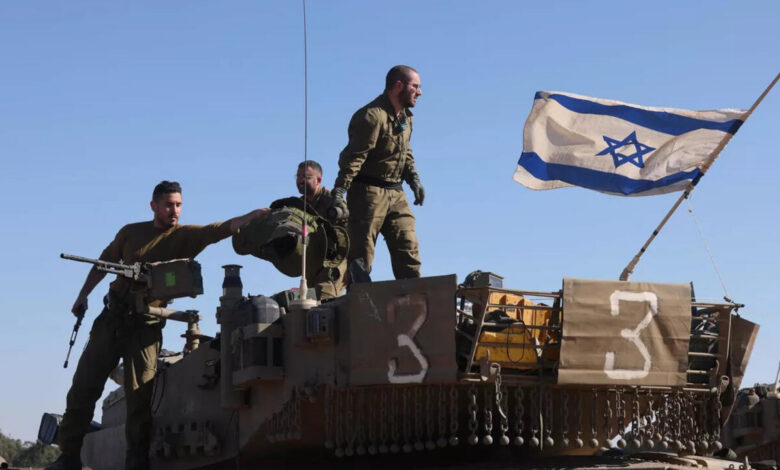
Disarmament is a complex issue involving a broad military and security network that includes infrastructure, tunnels, missile capabilities, personnel and equipment.
US special envoy Jared Kushner acknowledged on Monday that Washington had begun to grasp the true scale of militarization inside the Gaza Strip, describing the situation as “beyond comprehension.” The admission reflects the difficulty of implementing one of the key conditions proposed for moving into the post-war phase: the disarmament of Palestinian factions, alongside Israeli conditions that take into account the upcoming elections and their complexities.
-
Everything You Need to Know About Achilles Shield: The Largest Defense Deal Between Israel and Greece
-
Israeli Elections: Settler Violence Fuels Tensions in the West Bank as Army Warns of an Explosion
Kushner’s remarks come as the US administration seeks to advance a new political process in Gaza based on consolidating de-escalation, reorganizing the security and political situation in the territory, and paving the way for reconstruction, while also examining the future of Hamas and its role in the next phase.
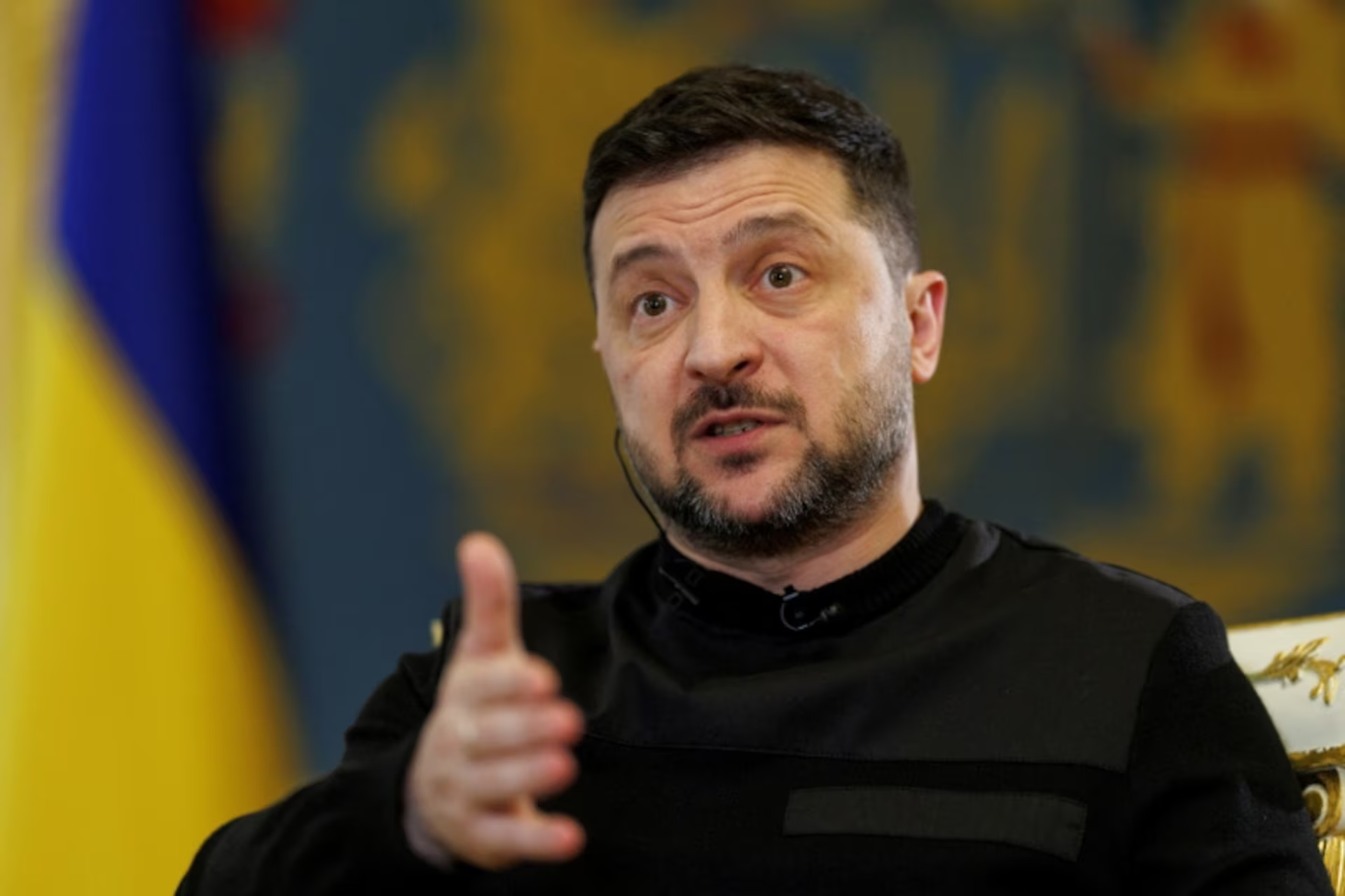
Speaking at a press conference in Kyiv, Kushner explained that no governance arrangements in Gaza could begin before the issue of weapons was addressed, saying that a government could not enter an area where weapons were still widespread.
He added that the United States had been working with Hamas for more than four months and that the movement had signed an agreement providing for the disarmament of Gaza, as part of efforts to implement the roadmap proposed by the Trump administration for the territory.
-
One of them was Sinwar’s bodyguard… Israel announces the deaths of two Hamas elite members
-
Strikes on Gaza: Israel Says It Targeted Two Hamas Leaders
This means that US assumptions about the post-war phase have collided with a reality more complex than expected. Disarmament is not simply a matter of confiscating weapons; it involves a broad military and security network encompassing infrastructure, tunnels, missile capabilities, personnel and equipment, as well as the question of which party would be responsible for enforcing any disarmament agreement and the mechanisms that would be used to verify its implementation.
The success of any plan requires an entity capable of ensuring that commitments are implemented on the ground, at a time when Israel continues to question whether Hamas can retain any military capability inside the territory.
At the same time, however, the issue of disarmament raises one of the most sensitive matters for Hamas, which has long regarded its weapons as part of its resistance project, while Israel and the United States view ending the factions’ military control as a fundamental condition for any lasting settlement.
-
Viewing stands for spectators: Israel prepares facility for the execution of Palestinian prisoners
-
Israel Pays the Price for a Prolonged War: Rising Emigration and a Crisis of Confidence
Thus, agreement on the principle does not necessarily mean agreement on the details: Who will disarm the factions? How will it be done? Who will monitor the process? What will happen to the armed personnel? And who will ensure that military capabilities do not re-emerge after the process is completed?
Notably, Kushner’s remarks did not confine the difficulties to the Palestinian side. He also directly referred to Israel’s domestic political situation, saying that the elections there were “chaotic” and that this made Israelis “somewhat irrational” in certain respects.
These remarks reveal a US recognition that the future of any agreement concerning Gaza is now also tied to Israel’s domestic political calculations. Elections generally push political parties and forces to adopt tougher positions on security issues, particularly Gaza, which is one of the most sensitive issues for Israeli voters. Any concession or agreement that could be portrayed domestically as a security risk could become a weapon in the electoral struggle.
-
Qusra: A West Bank Settlement Outpost Sparks Confrontation Between the Israeli Army and Settlers
-
Colombia Recognizes Israeli Sovereignty over the Golan Heights
Kushner stressed that Washington and Israel agreed on the ultimate objective for Gaza, despite unresolved political issues. The United States is seeking to establish arrangements that would allow the war to end, reconstruction to begin, and a new political and security framework to emerge, while Israel is focusing more heavily on ensuring that no military threat remains inside the territory.
According to observers, it is difficult to launch a broad and sustainable reconstruction process without long-term security and political arrangements. Reaching such arrangements, however, requires resolving the issue of weapons and determining who will govern Gaza in the future.
Kushner’s remarks indicate that the US administration now views Gaza as a multilayered issue rather than simply a ceasefire agreement. There is the military track, represented by the disarmament of Hamas and the factions. There is the political track, concerning who will govern Gaza and what form the territory’s future administration will take. There is also the humanitarian and economic track, centered primarily on reconstruction and ensuring essential services for the population.
-
Israel informs Washington of its concerns regarding Hamas’s disarmament
-
Israel and the United States plan large-scale strikes against Iran’s energy infrastructure
The fourth track is Israel’s domestic political position, which could constrain the Israeli government’s ability to make decisions requiring concessions or long-term arrangements.
This is precisely where the significance of Kushner’s admission lies: Washington is not merely facing a dispute between Israel and Hamas, but rather a web of competing security and political interests whose scale it has discovered to be far greater than it had anticipated at the beginning of the process.
-
Expanding the Offensive and Accelerating Annexation: Israel Redraws the Landscape in the West Bank
-
600 Former Israeli Officials Urge Trump to Halt Settler Violence in the West Bank
-
The West Bank Turns into a Powder Keg… Settler Marches and Calls for an Israeli Military Operation