Conservatives Push for Iran to Withdraw from the Nuclear Non-Proliferation Treaty
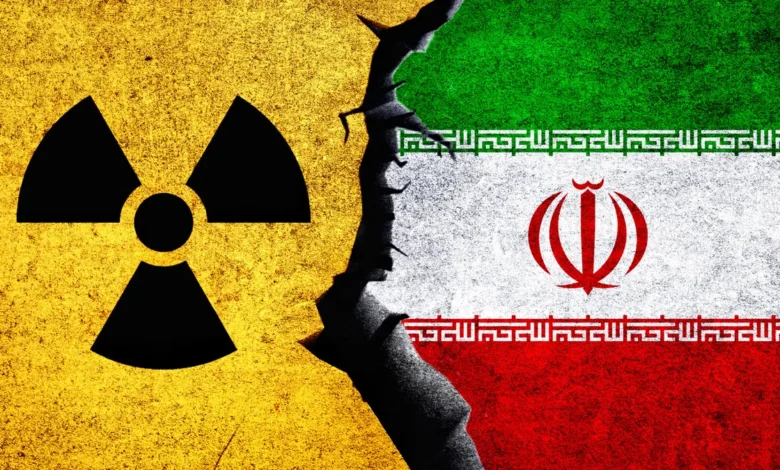
Calls by media outlets close to Iran’s Supreme Leader, such as the Kayhan newspaper, for Iran to withdraw from the treaty, amid the referral of the Iranian nuclear file to the UN Security Council, are aimed at increasing pressure on the international community while also serving domestic political considerations.
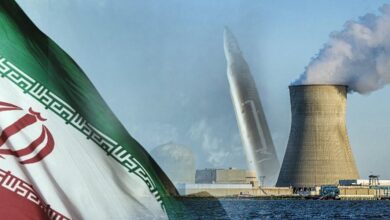
Iranian conservative circles have hardened their rhetoric toward the international community following the referral of Iran’s nuclear file to the UN Security Council, once again raising the possibility of withdrawing from the Treaty on the Non-Proliferation of Nuclear Weapons (NPT). The move appears to be aimed more at testing international reactions and serving domestic political objectives than at preparing for an actual decision to withdraw from the treaty.
The Kayhan newspaper, which operates under the supervision of the representative of Iran’s Supreme Leader, has been at the forefront of these calls. In an article published on Monday, the newspaper argued that remaining within the treaty no longer provided Iran with protection from sanctions, pressure, or threats. The daily also attacked the International Atomic Energy Agency (IAEA), accusing it of having become a political instrument directed against Tehran. This rhetoric reflects the position of Iran’s conservative camp, which opposes making any further concessions on the nuclear issue.
This media escalation came alongside a more cautious official Iranian position. Mohsen Rezaei, secretary of Iran’s Supreme National Security Council, said that what he described as the IAEA’s political maneuvering could push some countries to withdraw from the NPT. His remarks came one day after the Agency’s 35-member Board of Governors voted to refer Iran to the UN Security Council over its failure to comply with its nuclear non-proliferation commitments.
The referral, which took place last week, followed a prolonged period of strained cooperation between Tehran and the Agency. The IAEA has said that it is no longer able to access Iranian nuclear facilities or conduct on-the-ground verification of the status of declared nuclear materials and facilities. Twenty-three countries voted in favor of the resolution, while Russia, China, and Niger opposed it, and several other countries abstained.
Tehran is attempting to portray these developments as evidence that the international system has politicized the Iranian nuclear issue. The United States and European countries, however, maintain that the issue concerns Iran’s legal obligations under its safeguards agreement with the IAEA, which is linked to the NPT. The United States, France, Germany, and the United Kingdom have reiterated that Iran must restore its cooperation with the Agency and allow it to verify its nuclear activities.
Calls for withdrawal are not new in Iran. Lawmakers and officials have made similar demands on various occasions, particularly following strikes against Iranian nuclear facilities. In July, lawmaker Mojtaba Yousefi called on Tehran to withdraw from the treaty, while other political figures during the same period called for a reassessment of the restrictions imposed on Iran as a result of its participation in the international non-proliferation system.
The repeated return of such calls after each new round of international pressure highlights their recurring use as a political pressure tool. Tehran raises the possibility of withdrawal whenever tensions with Washington and European countries intensify, before ultimately refraining from turning the threat into concrete action. At this stage, there is no indication that an official decision to withdraw has been taken. Likewise, parliamentary and media calls do not, in themselves, alter Iran’s legal status under the treaty.
This rhetoric also reflects the domestic calculations of Iran’s conservative camp, which seeks to portray the nuclear confrontation as a struggle for national sovereignty in the face of Western pressure, particularly following the strikes that damaged Iranian nuclear facilities. Threats to withdraw also provide the Iranian leadership with an additional negotiating lever by suggesting that continued pressure could push Tehran toward taking more radical measures.
The threat has become particularly sensitive as the IAEA has lost a significant portion of its ability to monitor Iran’s nuclear program. Western countries argued before the Board of Governors that the continued absence of verification constituted a proliferation concern, while Tehran maintains that wartime conditions and military strikes have prevented the resumption of inspections.
At this stage, therefore, the threat of withdrawal appears more likely to be a pressure instrument than an imminent decision. Tehran is counting on the possibility that merely raising the prospect of dismantling one of the world’s principal frameworks for nuclear oversight could prompt major international powers to reconsider their calculations. At the same time, Iranian conservatives are using the same rhetoric to strengthen their domestic position and reaffirm their opposition to making further concessions under pressure.