Iraq Receives First Gasoline Shipments Through Syrian Ports
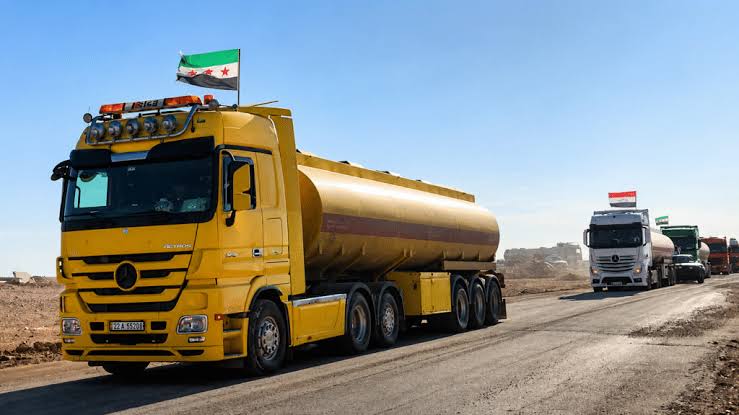
Fuel tankers will transport gasoline shipments from the Mediterranean port of Banias into Iraqi territory to meet domestic demand for petroleum products amid the shipping crisis in the Strait of Hormuz.
The first gasoline shipments have begun arriving at Syria’s Mediterranean port of Banias ahead of their transportation by road into Iraq aboard fuel tankers.
The operation represents another sign of expanding energy coordination between Baghdad and Damascus as Iraq seeks to meet the needs of its domestic market and diversify its fuel supply routes.
An Iraqi oil industry source told the Iraqi Kurdish outlet Shafaq News on Friday that the shipments had arrived at Banias under arrangements to import an initial consignment of gasoline through Syrian territory.
The source stressed that the imported quantities formed part of measures intended to cover domestic demand for petroleum products.
Details concerning the volume of the shipments, their supplier and the procedures for bringing them into Iraq are expected to become clearer as transportation progresses and the related requirements are completed.
The fuel’s arrival coincided with Iraqi tankers beginning loading operations at the Syrian port.
The vehicles will depart for Iraq once the relevant administrative and technical procedures have been completed.
The overland route gives both countries an additional channel for trading petroleum products while reducing their complete dependence on maritime supply routes, particularly the Strait of Hormuz.
Expanding Energy Cooperation
The shipment comes as Iraq and Syria seek to strengthen cooperation in energy and transportation.
During a meeting on the sidelines of the United Nations General Assembly in New York, Syrian President Ahmed al-Sharaa and Iraqi Prime Minister Ali Faleh al-Zaidi discussed developing bilateral relations and areas of mutual cooperation.
The talks reflected an effort to transform political understandings into economic projects and new corridors for energy and trade.
The initiative also comes as Iraq’s fuel market remains under pressure.
Baghdad and several other provinces have experienced disruptions to gasoline availability for weeks, prompting the Oil Ministry to take steps to increase supplies and address market shortages.
The Impact of the Strait of Hormuz Crisis
The initiative is closely connected to the changes imposed on Iraq’s energy calculations by the shipping crisis in the Strait of Hormuz.
The crisis exposed the vulnerability of Iraq’s exports and oil revenues when maritime routes are disrupted.
Baghdad has consequently accelerated its search for alternative outlets capable of providing greater flexibility during regional crises.
In this context, cooperation with Syria now extends beyond transporting fuel by truck.
The two countries are working to restore an oil corridor linking Iraq to the Mediterranean.
In July, Baghdad and Damascus signed memoranda of understanding to rehabilitate the Kirkuk-Banias pipeline.
The project aims to restore one of Iraq’s historic oil transportation routes to the Syrian coast and open an export channel separate from the Gulf terminals.
Potential Capacity of Two Million Barrels per Day
The project is particularly important to Iraq because, if completed, it would distribute export risks across several outlets instead of leaving most Iraqi oil shipments dependent on a single route.
The United States has expressed support for the project.
Washington said the rehabilitated pipeline could initially carry approximately two million barrels per day, reflecting the growing regional importance of oil cooperation between Baghdad and Damascus.
For Syria, restoring the oil corridor would mean recovering part of its former role in regional energy flows.
It would also create investment opportunities and generate revenue from transportation, storage and oil-related services.
The project could further support the development of Syria’s energy infrastructure and connect it to broader Iraqi and regional economic interests.
Toward New Energy Routes
The current gasoline shipments demonstrate that cooperation between the two countries is moving from plans and future projects to practical arrangements for transporting energy products.
If successful, the route could provide a foundation for expanding petroleum trade and eventually linking it to larger pipeline and port projects.
The development also shows that the effects of the Hormuz crisis have extended beyond shipping traffic and transportation costs.
The disruption has prompted affected countries to reconsider the structure of their energy security.
For Iraq, establishing alternative overland and Mediterranean routes has become part of a broader strategy to reduce its economy’s exposure to maritime disruptions and create multiple options for securing fuel supplies and exporting oil.