Behind Port Sudan’s Diplomatic and Security Campaign Within the African Union
A growing number of regional and diplomatic reports have recently examined what observers describe as an offensive strategy by the Port Sudan authorities to reshape their relationship with the African Union. This strategy reportedly combines security and political considerations in a complex manner.
Political assessments published by research centres specialising in African affairs indicate that Sudanese intelligence is directing its full weight towards restoring the country’s complete regional legitimacy and overcoming the suspension imposed by the African Union Peace and Security Council following the events of October 2021.
Allegations of Financial Incentives in Addis Ababa
Claims circulating in diplomatic circles in Addis Ababa refer to financial activity and pressure allegedly taking place behind the scenes.
Some newspapers and reports have relayed accusations that financial incentives or bribes totalling approximately $1 million were offered to employees and other personnel within the African Union Commission.
The primary objective of these alleged efforts was reportedly to secure an official decision or logistical arrangements leading to the reopening of the African Union liaison office in Khartoum.
The Port Sudan authorities view such a step as highly symbolic, believing it would demonstrate their control and the return of stability to the country’s administrative and historic capital.
Government Supporters Denounce a Propaganda Campaign
Allies and supporters of the Port Sudan authorities argue that allegations of bribery and corruption amount to a counter-propaganda campaign led by rival parties seeking to isolate the Sudanese government regionally and internationally.
According to this perspective, Sudanese engagement with African Union Commission personnel falls within the framework of official diplomacy and legitimate efforts to persuade the continental organisation of the need for a presence on the ground.
Such a presence would allow the African Union to monitor humanitarian and political developments and assist the state institutions that the Sudanese authorities regard as legitimate.
Counter-reports submitted by anti-war Sudanese civilian forces, however, continue to express concern over the possible success of these alleged security influence operations.
These groups argue that reopening the African Union office in Khartoum under the current circumstances could provide undeserved political cover to one side at the expense of a comprehensive peace process, further complicating international mediation efforts.
Alleged Pressure on the Peace and Security Council
In a parallel track, the alleged financial and diplomatic activities are reportedly connected to sustained efforts to persuade the African Union Peace and Security Council to adopt more flexible positions towards the Port Sudan authorities.
Media reports refer to intensive intelligence efforts aimed at arranging official visits to Sudan by Council officials.
Similar efforts had previously resulted in official visits and meetings. Sudanese intelligence reportedly regards such visits as de facto recognition of the existing authorities and as an implicit retreat from the strict conditions attached to Sudan’s suspension.
Government opponents claim that the visits were facilitated through financial channels and unlawful influence within African Union institutions.
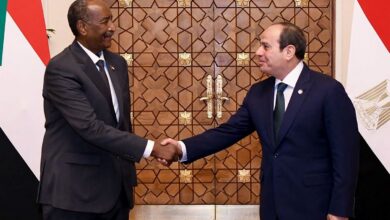
Sudanese diplomats, by contrast, insist that these visits reflect the African Union’s recognition of the need to engage directly with the state and military leadership in order to reach a genuine settlement that addresses the Sudanese people’s aspirations for security and stability.
A Strategy Connected to Sudan’s Political Future
Domestically, this external campaign is closely linked to the Port Sudan authorities’ vision for the country’s future political process.
Several political analyses point to attempts by the current leadership to include political and social forces supportive of the military in any forthcoming national dialogue, including Islamist groups and figures associated with the Muslim Brotherhood.
The Port Sudan authorities believe that excluding these groups, which possess social influence and support the Sudanese Armed Forces in the ongoing war, would only prolong the conflict and undermine the domestic balance.
This approach, however, has alarmed democratic civilian forces and international partners.
They warn that recycling figures from the former regime and restoring them to power under new labels would reproduce the crisis.
Such an approach would also conflict directly with African Union decisions and international demands for a civilian, democratic political process that does not restore the ideological movements against which the Sudanese people revolted.