A Moroccan Approach That Makes Football a Tool for Integration and Combating Discrimination
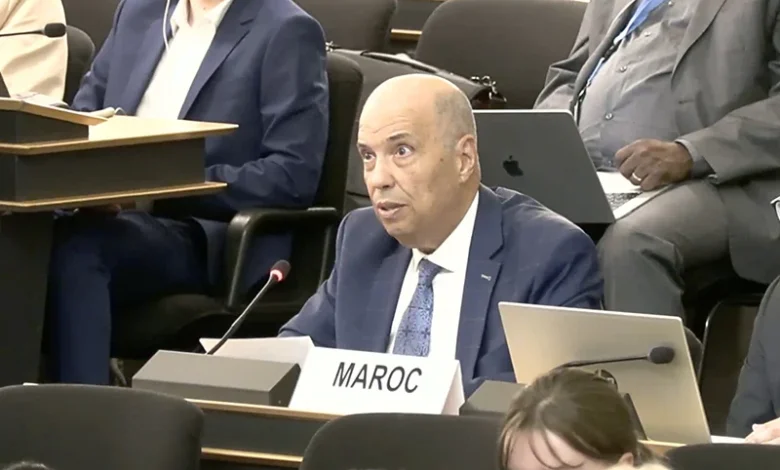
Morocco’s ambassador to the United Nations has revealed that this initiative forms part of a broader vision aimed at giving sport a practical role as a complementary tool to fundamental rights and essential services rather than a substitute for them.
On Tuesday, Morocco called for the adoption of a humane and comprehensive approach to migration and asylum issues, based on the use of football as a means of promoting integration, fostering closer ties between peoples, and countering the growing manifestations of xenophobia. The appeal was made during an event organized on the sidelines of the 62nd session of the United Nations Human Rights Council in Geneva.
-
Morocco enters 2026 amid major transformations and growing confidence
-
The Maghreb Union tests the sincerity of Algeria’s intentions towards resolving the dispute with Morocco
Morocco’s ambassador to the United Nations Office in Geneva, Omar Zniber, stressed that football goes beyond the limits of athletic competition and serves as a shared space that brings people together around values such as teamwork, trust, and discipline. According to him, this enables societies to transcend differences related to nationality, language, or legal status and transform diversity into a source of strength.
This proposal reflects Rabat’s determination to make sport a complement to fundamental rights and essential services, helping to strengthen trust and mutual understanding among different social groups, reduce tensions linked to migration issues, and promote a culture of coexistence.
-
Officially… The “Morocco, Spain, and Portugal” bid wins the hosting rights for the 2030 World Cup
-
Morocco is bidding to host the 2030 World Cup jointly with Spain and Portugal
The initiative embodies a Moroccan vision that seeks to shift the perception of migration from being viewed solely as a security or social challenge to being recognized as an opportunity to build more open and cohesive societies. This is pursued through encouraging positive interaction between migrants and local populations and strengthening a shared sense of belonging.
Through this policy, Rabat aims to reinforce Morocco’s image as a bridge between Africa and Europe and as a regional actor advocating humanitarian approaches to migration based on integration and international cooperation rather than relying exclusively on traditional policies centered on control and deterrence.
-
“Lions” of Security and Diplomacy Support Morocco’s “Epic” in Qatar
-
Street Protests, Visa Problems and Ticket Crisis Cast a Shadow Over World Cup Opening Celebrations
Morocco’s migration strategy is not limited to promoting the integration of migrants into host societies. It is rooted in a broader vision that seeks to address the underlying causes of irregular migration in countries of origin through economic development, expanded employment opportunities, and improved living conditions, thereby reducing the factors that drive thousands of young people to leave their homelands.
Within this framework, the Kingdom advocates a multidimensional approach based on the belief that migration flows cannot be effectively managed through security measures alone. Instead, they require partnerships founded on development, solidarity, and the sharing of responsibilities among countries of origin, transit, and destination. This explains Morocco’s consistent call to place human beings at the center of migration-related policies.
-
Moroccan Campaign to Protect Architectural Heritage from Algerian Appropriation
-
Hammouchi’s Security Achievements Under Spanish Scrutiny
Observers believe that Morocco’s vision is based on the conviction that investing in development across African countries and addressing economic and social imbalances constitute the most effective means of reducing migration pressures, while simultaneously promoting migrant integration and combating discrimination and hate speech within host communities.
Studies and reports issued by various United Nations agencies have shown that sporting activities contribute to improving the well-being of refugees and migrants, helping them build social networks and facilitating their professional and social integration within host societies.
-
Politics Sneaks into Euro 2024… Will VAR Intervene?
-
Algeria makes a negative exception by boycotting the Arab-Russian Forum in Marrakech
In this context, Morocco views football as a cross-sectoral tool that can be used to protect vulnerable groups, empower young people, and strengthen ties with Moroccan communities living abroad. It also plays an important role in countering anti-foreigner sentiments and promoting positive narratives about migrants’ contributions to the societies in which they live.
As part of its efforts to expand dialogue and cooperation, the Kingdom launched, in partnership with the International Organization for Migration, the “Group of Friends of Sport and Migration” initiative in Geneva. The platform aims to encourage the exchange of experiences among states and to integrate the sporting dimension into public policies related to migration and integration.
-
Steadfast Gulf Position on the Moroccan Sahara
-
A grand celebration was held in Abu Dhabi on the occasion of the Throne Day
This vision gains additional significance as Morocco prepares to host the 2030 FIFA World Cup jointly with Spain and Portugal. Rabat views this global event as an opportunity to demonstrate the power of sport to bring peoples and cultures closer together and to transform sporting competitions into platforms for dialogue and communication among continents and generations.
Morocco’s recent initiatives reflect a clear determination to promote a model based on bridge-building and the strengthening of values such as openness and diversity at a time when many countries are witnessing a rise in populist rhetoric and anti-immigration sentiments. As a result, the Moroccan approach carries a political and humanitarian dimension that extends well beyond the realm of sport and reflects a broader commitment to building more inclusive and cohesive societies.
-
Qatar violates FIFA rules: Tickets for World Cup matches on black market 10 times their value
-
One week after the World Cup, why did fans prefer to stay in the UAE and Saudi Arabia?
-
Moroccan fans: Qatar deliberately steals our heritage