How to Preserve Muscle While Taking Weight-Loss Medications

Medications designed to support weight loss have changed the management of obesity and overweight for some people. By reducing appetite and, in several cases, increasing feelings of fullness, these treatments can contribute to substantial weight loss when they are used as part of a medically supervised approach.
However, weight loss does not consist exclusively of losing body fat. When a person loses weight, some lean mass may also decrease. Lean mass includes muscle tissue, which plays an essential role in mobility, strength, balance, metabolism, and everyday independence.
The goal, therefore, is not simply to lose weight but to preserve as much muscle tissue as possible during the process. This becomes particularly important when food intake decreases substantially or when weight is lost rapidly.
The good news is that several strategies can help reduce muscle loss: consuming enough protein, performing regular resistance training, staying physically active, losing weight under appropriate medical supervision, and paying attention to overall nutritional status.
Why can muscle be lost during weight loss?
When the body receives less energy than it uses, it begins drawing on stored energy. Much of this energy comes from body fat, but weight loss can also involve a reduction in lean mass.
This phenomenon is not unique to weight-loss medications. It can occur with many forms of weight reduction, particularly when calorie restriction is substantial.
Medications that significantly reduce appetite may nevertheless make it more difficult for some people to consume enough protein and other nutrients. Someone who eats much less than before may achieve a calorie deficit while simultaneously consuming inadequate amounts of protein, vitamins, or minerals.
Reduced physical activity can also accelerate muscle loss. If a person eats less while becoming less active and does not perform resistance exercises, the stimulus needed to maintain muscle tissue may become insufficient.
1. Prioritize adequate protein intake
One of the most important nutritional strategies for preserving muscle during weight loss is consuming an adequate amount of protein.
Protein provides the amino acids needed for muscle maintenance and tissue repair. When energy intake is reduced, sufficient protein may help limit the loss of lean mass, particularly when combined with resistance training.
The appropriate amount varies substantially depending on age, body weight, body composition, physical activity, and health status. There is therefore no single protein target that is appropriate for every person taking a weight-loss medication.
It can be useful to distribute protein across several meals rather than consuming most of it in a single sitting.
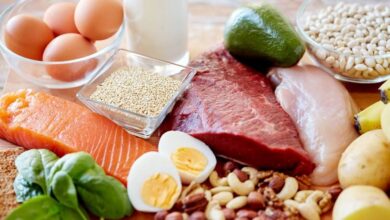
Eggs, fish, poultry, dairy products, tofu, legumes, and other soy-based foods can all provide valuable protein. For people who eat little or no animal food, a varied combination of plant-based protein sources can also contribute to meeting nutritional needs.
2. Do not rely entirely on hunger signals
Reduced appetite is one of the intended effects of some weight-loss medications. But when hunger becomes very low, some people may end up eating too little overall.
The issue is not simply total calorie intake. An inadequate diet can also reduce the intake of protein and micronutrients needed to maintain muscle and support normal body function.
It can therefore be useful to structure meals rather than relying exclusively on hunger cues. Smaller portions that are nutritionally dense may sometimes be easier to tolerate when appetite is reduced.
A meal, for example, could combine a protein source, vegetables or fruit, a fiber-rich carbohydrate source, and a small amount of unsaturated fat.
3. Perform regular resistance training
Nutrition alone is not enough. Physical activity, particularly resistance training, plays a central role in preserving muscle during weight loss.
Resistance exercises provide muscles with a stimulus that signals that they are still needed. This can help maintain strength and muscle tissue during periods of weight reduction.
There is no need to begin with heavy weights. Bodyweight exercises, resistance bands, dumbbells, or gym machines can all be used according to an individual’s fitness level.
Simple movements such as squats, lunges, pulling exercises, pushing exercises, and core-strengthening movements can be introduced progressively.
For beginners, proper technique and consistency are generally more important than the amount of weight lifted.
4. Keep moving throughout the day
Strength training is important, but everyday physical activity also matters.
Walking, climbing stairs, cycling, performing household tasks, and avoiding prolonged periods of sitting can help maintain physical function and reduce sedentary behavior.
Aerobic exercise can also support cardiovascular and respiratory health. However, when the specific goal is to preserve muscle during weight loss, it is generally not advisable to replace resistance training entirely with long sessions of cardio.
A combination of aerobic activity and strength training can address several aspects of physical fitness.
5. Avoid excessively rapid weight loss
Very rapid weight loss may increase the proportion of lean tissue lost, particularly when food intake becomes inadequate.
The goal of obesity treatment should therefore not simply be to make the number on the scale fall as quickly as possible, but to achieve weight loss that is compatible with health and sustainable over time.
The appropriate pace varies from person to person. A healthcare professional supervising treatment can monitor changes in body weight, nutritional intake, body composition, and potential side effects.
It is also important to remember that the number on the scale cannot reveal by itself how much of the lost weight represents fat, water, or lean tissue.
6. Watch for signs of inadequate food intake
Some side effects associated with weight-loss medications can make eating more difficult. Nausea, vomiting, diarrhea, constipation, reflux, or very early fullness may further reduce food intake.
When these symptoms become severe or persistent, they should be discussed with the healthcare professional supervising treatment.
Very low appetite accompanied by unusual fatigue, weakness, a noticeable decline in physical performance, or unusually rapid weight loss may warrant nutritional and medical assessment.
Medication doses should not be changed or treatment stopped independently in an attempt to resolve these problems.
7. Do not eliminate carbohydrates and healthy fats
Preserving muscle does not mean eliminating carbohydrates or drastically reducing all dietary fats.
Carbohydrates are an important source of energy, particularly during physical activity. Whole grains, potatoes, legumes, fruit, and other fiber-rich carbohydrate sources can all fit into a balanced diet.
Dietary fats are also essential for several bodily functions. Nuts, seeds, avocado, olive oil, and certain fish provide important unsaturated fats.
The objective is to maintain a sufficiently nutritious and balanced diet even when appetite is reduced.
8. Pay attention to hydration
Hydration can easily be overlooked when someone is eating much less than usual.
Many foods contribute to daily fluid intake. A substantial reduction in food consumption can therefore indirectly affect overall fluid intake.
People experiencing nausea, vomiting, or diarrhea may also be at greater risk of dehydration.
Drinking water regularly throughout the day is generally a simple strategy. If significant or persistent digestive symptoms occur, medical advice is preferable to attempting to manage possible dehydration alone.
9. Sleep also matters
Muscle preservation does not depend solely on nutrition and exercise. Sleep is also important for physical recovery.
Insufficient sleep can interfere with recovery after exercise, reduce the energy available for physical activity, and influence several hormonal processes involved in appetite and metabolism.
People taking weight-loss medications may therefore benefit from maintaining a consistent sleep routine and regular sleeping and waking times whenever possible.
10. Monitor strength and body composition, not just weight
The scale tells only part of the story.
A person can lose several kilograms while maintaining a significant proportion of their muscle mass and improving physical strength. Conversely, rapid weight loss does not necessarily mean that most of the weight lost is body fat.
Tracking strength, physical performance, waist circumference, and, when appropriate and available, body composition can provide additional information.
However, body-composition measurements have limitations, and their results can vary depending on hydration and measurement conditions.
Are protein supplements necessary?
Not necessarily.
A balanced diet can often provide enough protein when meals are properly structured. However, when appetite is substantially reduced, some people may find it difficult to meet their nutritional needs through ordinary meals alone.
In such cases, a healthcare professional or registered dietitian can determine whether a nutritional or protein supplement is appropriate.
Supplements do not replace a varied diet or compensate for inadequate resistance training. Their usefulness depends on the individual’s circumstances.
A personalized approach is essential
People taking weight-loss medications do not all have the same nutritional and physical needs. Age, fitness level, starting weight, body composition, existing medical conditions, other medications, and eating habits can all influence recommendations.
Older adults, in particular, may need to pay close attention to maintaining strength and independence. People with certain kidney conditions or other medical problems may also have specific nutritional requirements, including individualized protein recommendations.
For this reason, highly restrictive diets or intensive exercise programs should be approached cautiously when medical conditions require monitoring.
Weight loss while taking medication should not be viewed solely in terms of the number displayed on the scale. Preserving as much muscle as possible is an important objective for maintaining strength, mobility, and independence.
Adequate protein intake, regular resistance training, everyday physical activity, proper hydration, sufficient sleep, and appropriate medical follow-up form the foundation of a comprehensive approach.
The key is not to eat as little as possible or to lose weight as quickly as possible. When appetite is substantially reduced by treatment, the nutritional quality of meals becomes even more important.
Anyone taking a weight-loss medication should discuss their individual nutritional and exercise needs with their healthcare professional, particularly if they experience unusually rapid weight loss, significant weakness, persistent digestive symptoms, or difficulty maintaining adequate food and fluid intake.