No U.S. Withdrawal from the Region During Negotiations with Iran
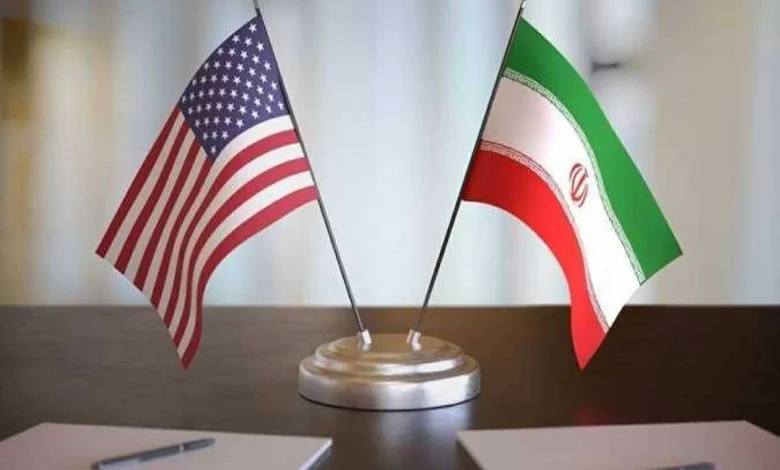
The U.S. military will not begin reducing its presence in the Middle East until positive progress has been achieved in the sixty-day negotiations concerning unresolved issues, including Iran’s nuclear program.
A senior U.S. official stated that American forces will remain in the Middle East throughout the sixty-day negotiation period with Iran, while Tehran continues to insist on a gradual withdrawal of U.S. troops from the region in accordance with the terms of the peace agreement.
Speaking to a group of journalists about the details of the agreement, the official explained that U.S. military units would remain deployed across the Middle East during the negotiation process and that discussions regarding a withdrawal would begin after the memorandum of understanding is signed on Friday.
He added that the United States would not start reducing its military presence in the region until meaningful progress had been achieved in the talks, emphasizing that the relevant military units would remain in their current positions until then.
The official stated: “We want to see the Iranians honor their commitments regarding the abandonment of their nuclear program. This memorandum provides for a reduction of military forces in the region if a final agreement is reached.”
The sixty-day period outlined in the memorandum is intended to provide both parties with an opportunity to negotiate a comprehensive settlement on outstanding issues, foremost among them Iran’s nuclear program.
It is estimated that approximately 50,000 U.S. military personnel under the authority of the U.S. Central Command (CENTCOM) are currently stationed throughout the Middle East.
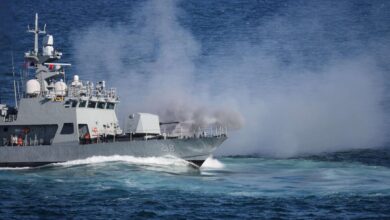
As part of this military deployment, three aircraft carriers and more than 200 aircraft are operating in the region, while numerous U.S. Navy units continue to carry out their missions there.
The American military presence in the Middle East remains one of the fundamental pillars of U.S. regional security strategy. Washington relies on an extensive network of military bases and facilities to safeguard its interests and those of its allies while monitoring areas of tension stretching from the Persian Gulf to the eastern Mediterranean.
U.S. forces are deployed at no fewer than nineteen military sites across the Middle East, including eight major permanent bases located in Bahrain, Qatar, Kuwait, the United Arab Emirates, Saudi Arabia, Jordan, Iraq, and Egypt. This military network provides the United States with the ability to respond rapidly to regional crises while supporting military and logistical operations throughout the region.
Al Udeid Air Base in Qatar is the largest American military installation in the Middle East. It hosts approximately 10,000 personnel and serves as a forward headquarters for CENTCOM, which oversees U.S. military operations throughout the region.
In Bahrain, the U.S. Fifth Fleet is headquartered and supervises a substantial portion of naval operations in the Persian Gulf, the Arabian Sea, and the Red Sea, making the country a key center of American naval presence.
In Kuwait, military bases play a crucial role in logistical support, supply operations, and the movement of personnel and military equipment toward Iraq and other operational areas.
The United States also maintains a significant military presence in the United Arab Emirates through Al Dhafra Air Base, which is used for reconnaissance missions, air defense operations, and the coordination of regional military activities.
The largest concentration of American forces remains in the Gulf region, with estimates indicating around 10,000 troops stationed in Qatar and a similar number in Kuwait, along with more than 8,000 personnel in Bahrain and additional forces deployed across the United Arab Emirates, Saudi Arabia, Jordan, Iraq, and Syria.
The strategic importance of these bases has increased significantly in recent years due to rising tensions involving Iran, growing threats to international shipping in the Persian Gulf, the Strait of Hormuz, and the Red Sea, as well as the continuation of operations against Islamic State in Iraq and Syria. As a result, the American military presence remains a central component of regional security and stability.
Several of these bases were targeted by Iranian missile attacks during the war that erupted on February 28.
On Sunday, Pakistani Prime Minister Shehbaz Sharif announced that an understanding had been reached between the United States and Iran to end military operations across all fronts, including Lebanon.
Meanwhile, Iranian state television quoted Iranian Deputy Foreign Minister Kazem Gharibabadi as saying that “the text of the memorandum of understanding has been finalized and will be signed in Geneva on Friday.”