What Does the Expiration of the Sixty-Day Deadline Mean?
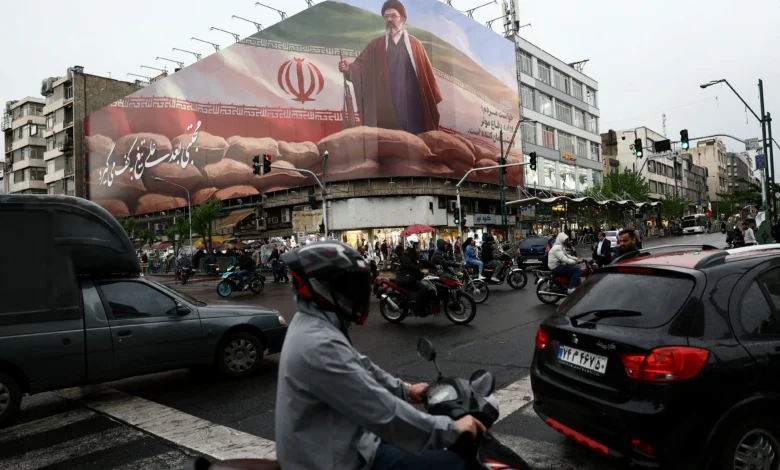
The expiration of the period of de-escalation means that U.S.-Iranian relations are entering a gray zone without clearly defined rules, after the understanding failed to resolve the fundamental disputes over sanctions and Iran’s nuclear program. This raises the risks of military and economic escalation in the Strait of Hormuz.
-
On the eve of the Muscat talks, five milestones paved the way for Iran and Washington’s return to negotiations
-
Washington and London Rally Allies: Western Plan to Secure the Strait of Hormuz and Contain Iran
The sixty-day deadline established by a memorandum of understanding between Iran and the United States expired on Monday, without a final agreement being reached or any official extension being announced. The development opens a new period of uncertainty between the two countries and brings the risk of military escalation back to the forefront, particularly around the Strait of Hormuz.
The memorandum of understanding, reached through Pakistani mediation in June, was intended to halt the fighting and pave the way for a broader agreement on Iran’s nuclear program, sanctions, and freedom of navigation through the Strait of Hormuz. It provided for sixty days of negotiations, with the possibility of extending the deadline with the consent of both parties.
-
Hormuz Guarantees and Nuclear Dust: Washington Tightens the Conditions for an Agreement with Iran
-
Intelligence Report: Iran’s Support for Its Regional Proxies Will Not Be Affected by Understandings with Washington
However, the deadline expired while the main disagreements remained unresolved. Tehran says Washington failed to fulfill its commitments regarding the lifting of the blockade and the release of Iranian assets, while the United States accuses Iran of failing to reopen the Strait of Hormuz and honor its own commitments.
Therefore, the expiration of the deadline does not automatically mean that war will resume. It does, however, mark the end of the timeframe that was supposed to lead to a final agreement, at a time when the prospects for an extension appear less clear than ever.
-
Memorandum of Understanding with Washington Sparks Internal Disputes in Iran
-
How the Caspian Sea became a lifeline of weapons and food for Iran behind Washington’s back
Hormuz at the Heart of the Crisis
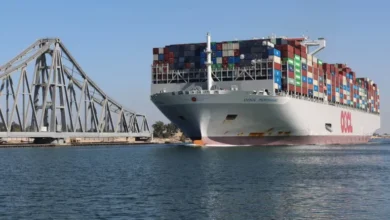
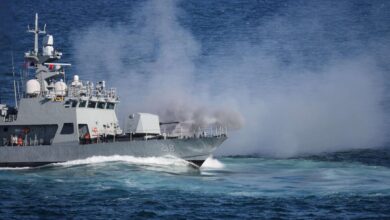
The Strait of Hormuz, through which a significant share of global oil trade passes, has become the most dangerous point of tension in the crisis.
Iranian Parliament Speaker Mohammad Bagher Ghalibaf said that his country would impose fees on ships passing through the strait after the exemption period provided for under the understanding expired. Meanwhile, U.S. President Donald Trump stressed the need to reopen the waterway, while Tehran insisted that the decision to open or close it was ultimately its own.
Recent reports indicate a decline in maritime traffic through the strait, increasing concerns about economic repercussions extending beyond the region. Any escalation around Hormuz could drive up oil prices as well as shipping and insurance costs, while placing additional pressure on economies dependent on energy imports.
-
Washington and Tel Aviv are preparing for a collapse of the truce by defining an Iranian target bank
-
Bomb Diplomacy: The Douhet Strategy and Washington’s Options on Iran
The Risk of a Return to War
The expiration of the deadline coincided with signs that Iran may be preparing for a possible return to confrontation.
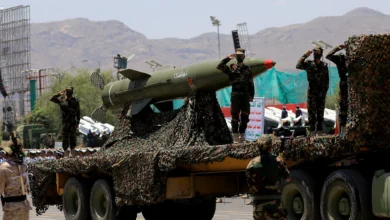
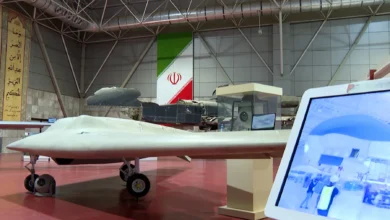
The Wall Street Journal reported that Iran had used the sixty-day period to prepare for another war rather than merely preparing for a long-term agreement. It pointed to efforts to increase missile and drone production and strengthen the role of the Islamic Revolutionary Guard Corps within the military establishment.
According to Gulf News, a political official within the Revolutionary Guard warned that Iran could shift to an offensive military posture and referred to possible “strategic surprises.”
-
Nuclear Talks: Iran Rejects Washington’s Proposal and Prepares an Alternative
-
Khamenei, Iran’s Illness and the Obstacle to Any Agreement with Washington
However, a return to open warfare is not the only option available to Washington.
U.S. reports have also indicated that the United States is facing military and economic costs from continuing the war after consuming large quantities of weapons and ammunition, some of which could take years to replace.
Another strategy is therefore emerging: intensifying sanctions and economic and maritime pressure in an effort to force Tehran back to the negotiating table. This approach was discussed by Al Khaleej newspaper in an analysis published on Monday.
-
Washington Tests Military Capabilities Amid Escalation Between Israel and Iran
-
Washington rules out Iran and its proxies’ involvement in expanding the war
Has Diplomacy Ended?
Despite the expiration of the deadline, this does not mean that the door to negotiations has been permanently closed.
Several countries, including Pakistan, the Sultanate of Oman, and European states, have sought to keep channels of communication open. In recent days, contradictory reports have also emerged regarding a possible extension of the ceasefire. Pakistani sources spoke of U.S. and Iranian approval of an extension, while Tehran denied that negotiations on the matter were taking place.
On August 15, Iranian Foreign Minister Abbas Araghchi said that Tehran had not yet made a decision on whether to resume negotiations with Washington.
The core of the dispute appears unchanged: Washington wants guarantees regarding Iran’s nuclear program and the reopening of the Strait of Hormuz, while Tehran is demanding the lifting of the blockade and sanctions, as well as guarantees against the resumption of U.S. and Israeli attacks.
-
Washington sends messages to Iran and Hezbollah via Turkey… Details
-
Washington Imposes New Sanctions on Iranian Individuals and Entities… What’s New?
A Phase Without Clearly Defined Rules
The main danger posed by the expiration of the deadline is that both sides have now entered a gray zone. The memorandum, which provided a temporary political framework, has expired without resolving the issues that led to the war.
As a result, any escalation in Hormuz, any Iranian move concerning its nuclear program, or any new U.S. strike could rapidly alter the situation.
August 17 therefore does not appear to mark the end of the crisis so much as the end of a phase that was supposed to lead to a settlement.
Between the possibility of returning to negotiations, tightening economic pressure, and the prospect of renewed confrontation, Iran and the United States are entering a new phase with no clearly defined new deadline and no concrete agreement, while the Strait of Hormuz remains the most dangerous test of what comes next.
-
Washington doubts the seriousness of forming a naval alliance comprising Iran and Gulf states
-
Washington resorts to a cheaper and more effective weapon to force Tehran into submission
-
Waiting for Trump’s Electoral Weakening: A Strategic Iranian Plan or a Fatal Mistake?