Chemical Weapons Put Sudan’s Military Establishment Under Scrutiny: Internal Breaches, Cover-Up Allegations and Questions over Foreign Ties
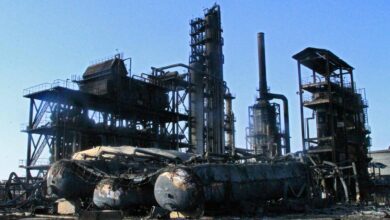
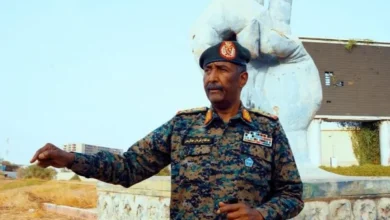
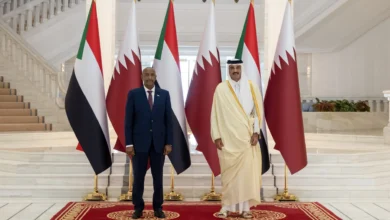
The chemical weapons issue in Sudan is no longer simply a political accusation exchanged between the warring parties. It has become more complex following an official US determination that the Sudanese government used chemical weapons in violation of international law, followed by additional punitive measures imposed by Washington in 2026. Meanwhile, American press investigations based on documents, photographs, videos and messages attributed to Sudanese military officials have reported a programme to produce chlorine-based munitions and use them during the war.
-
Chemical Weapons in Sudan: When the Air Itself Becomes Part of the War
-
Chemical Weapons in Sudan: What Comes After the Accusations and Sanctions?
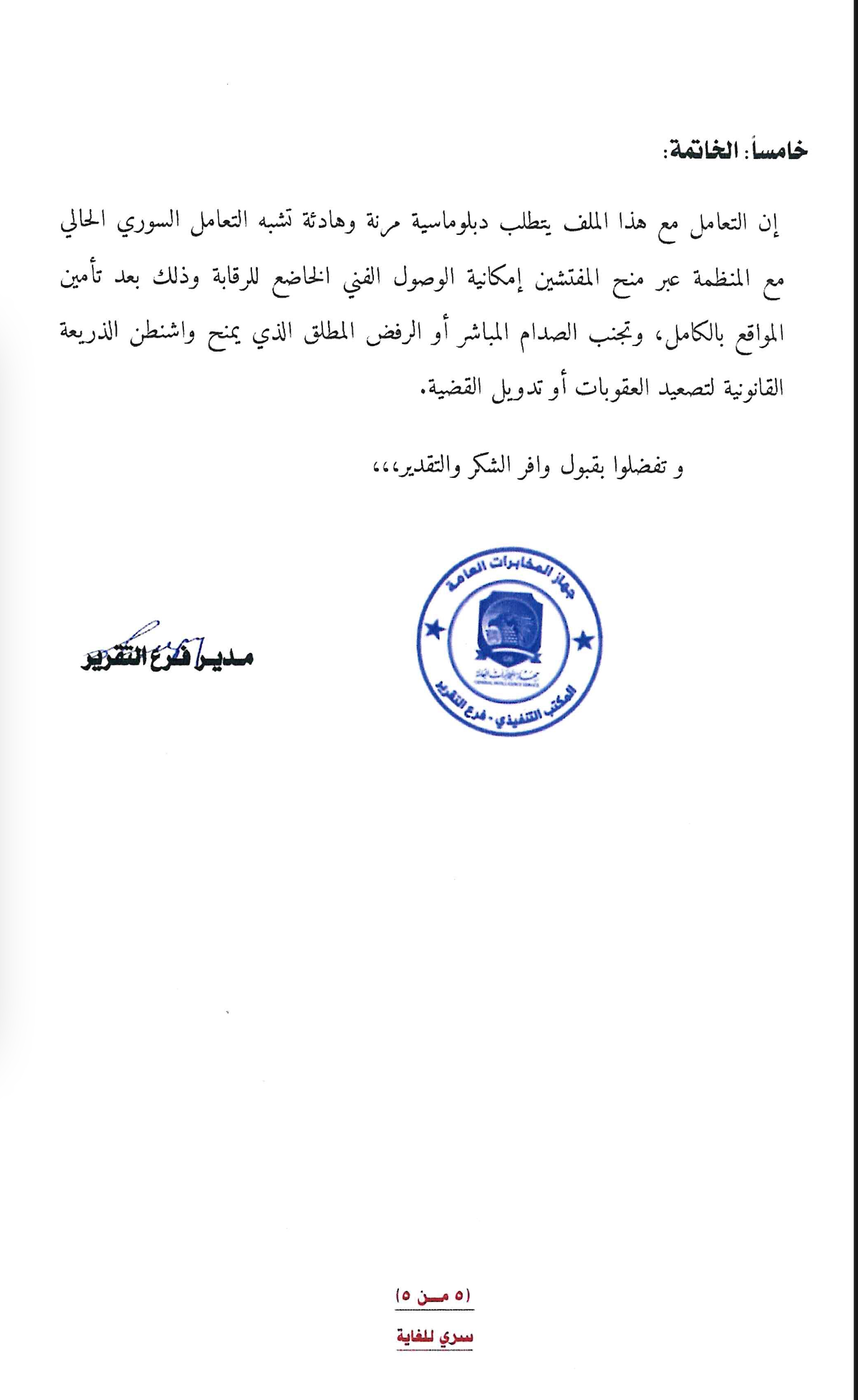
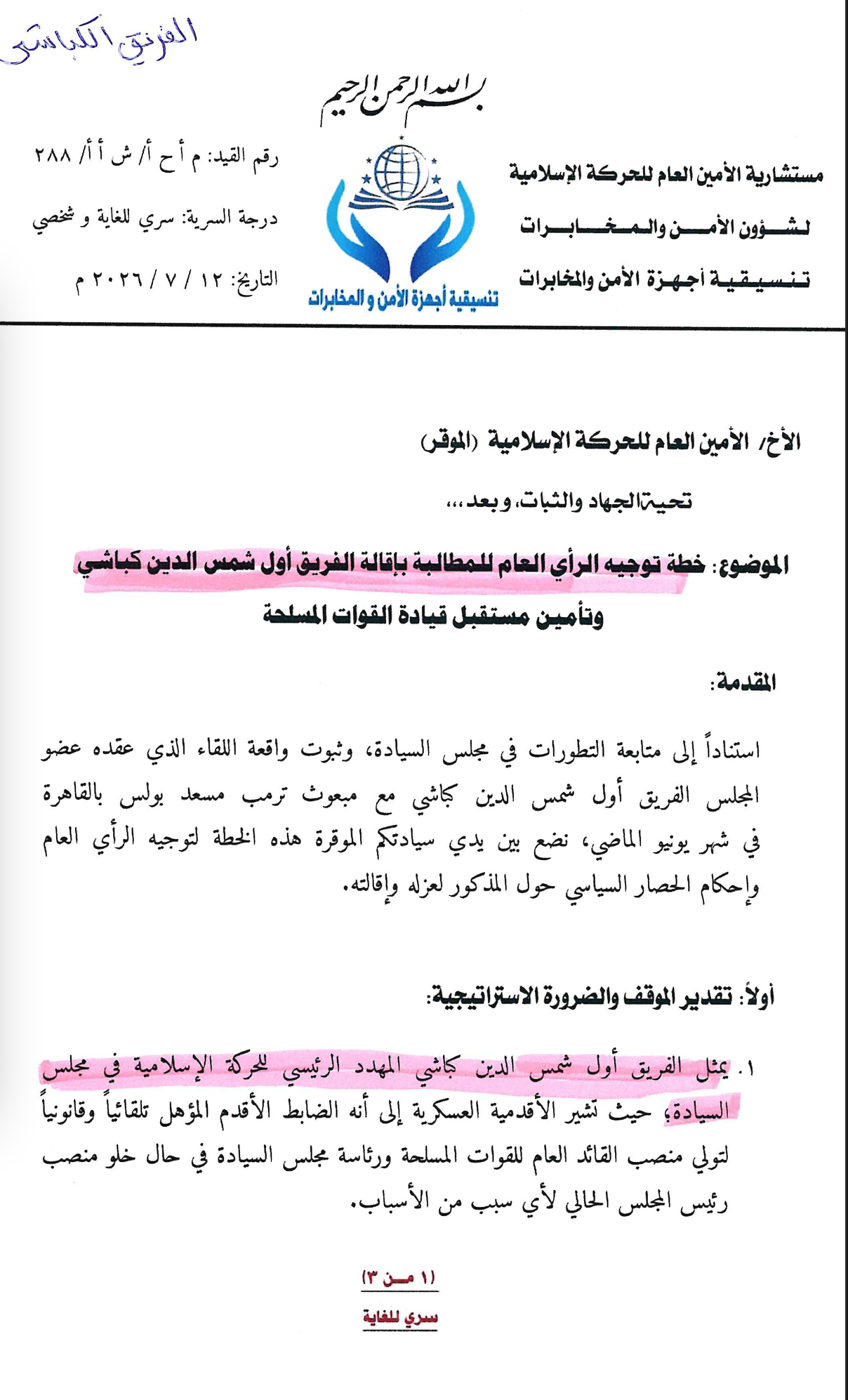
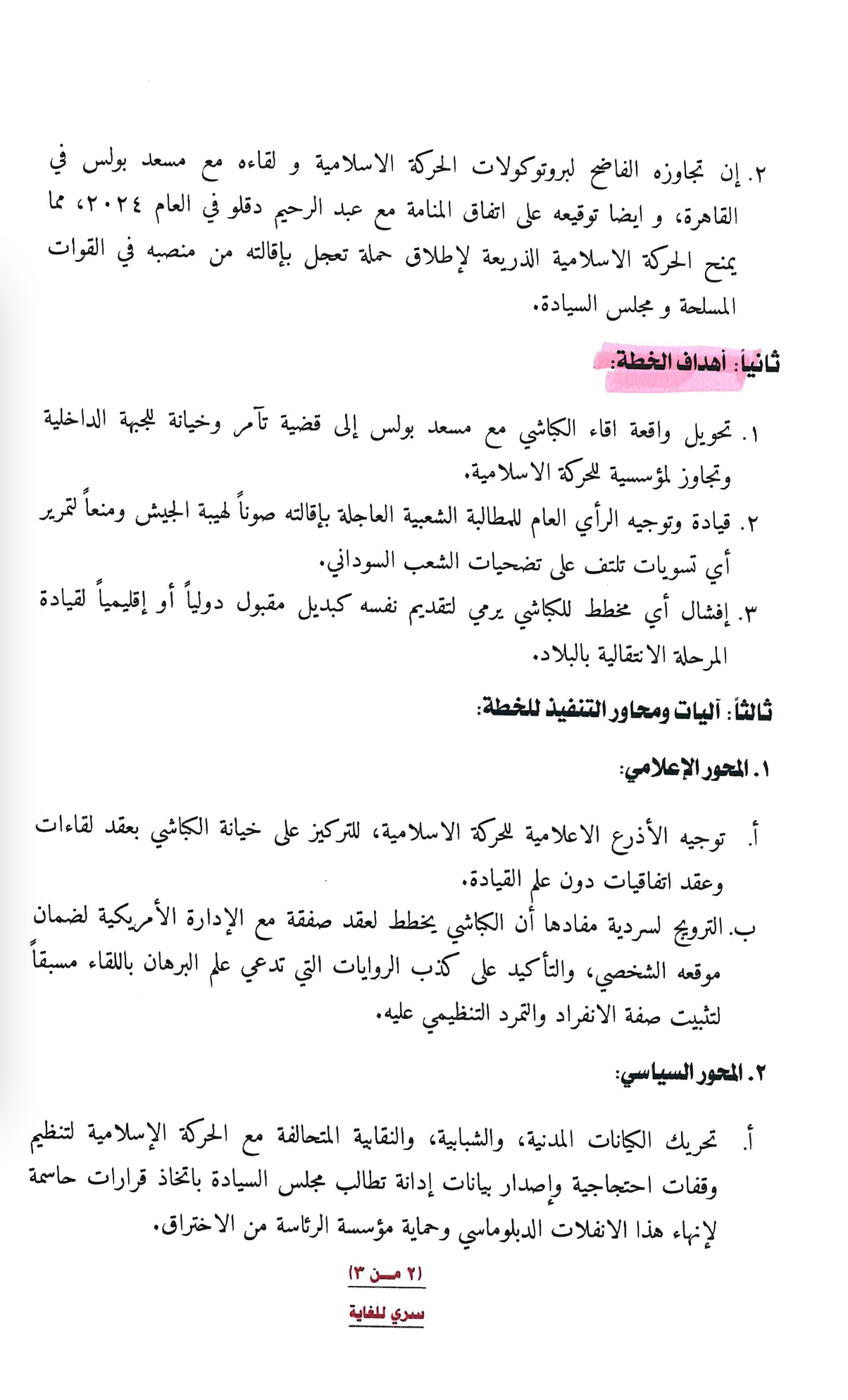
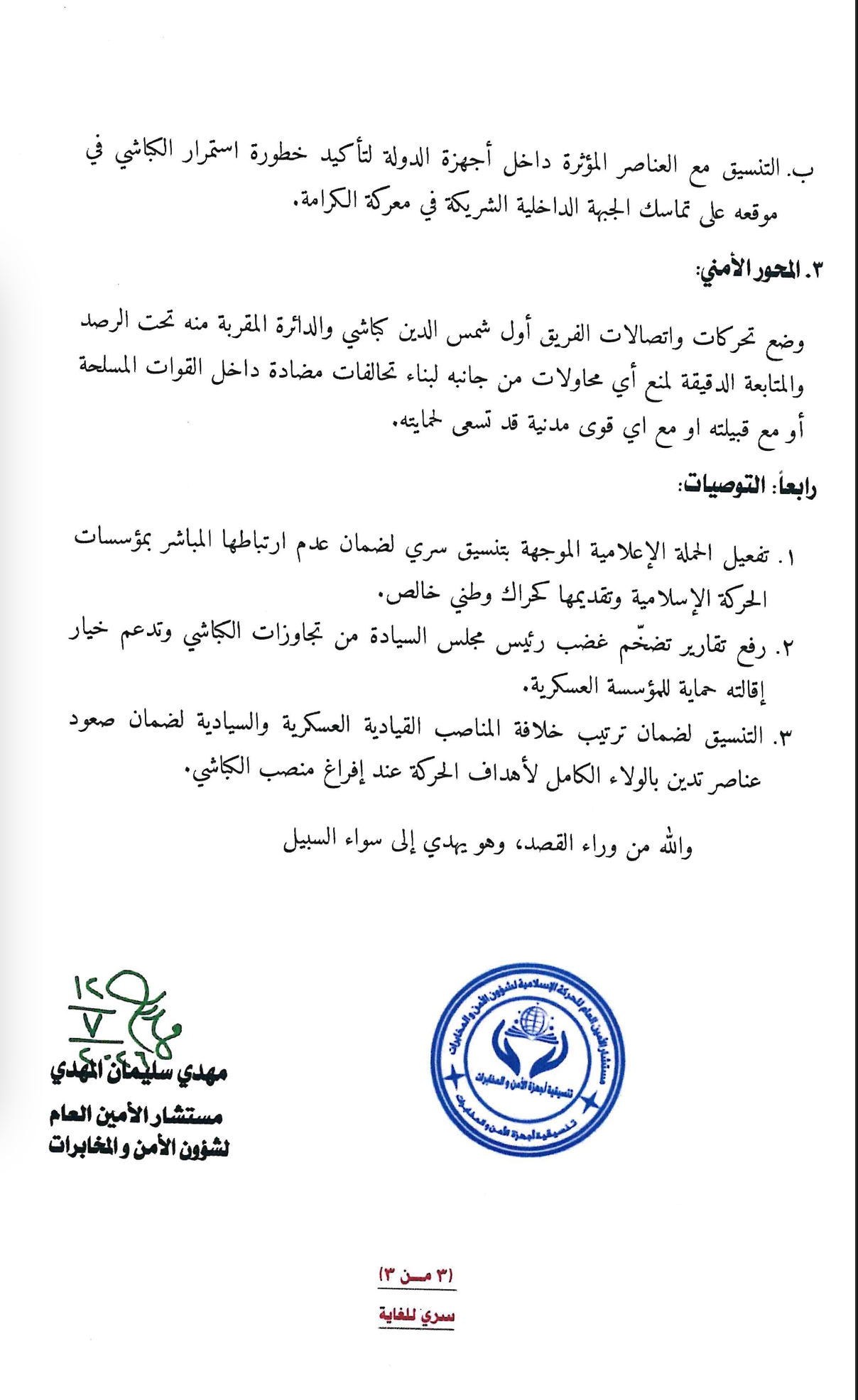
These developments reopen one of the most serious issues associated with Sudan’s conflict. The concern lies not only like the weapons described, but also in what the case could reveal if substantial portions of the circulating documents are authenticated: specialised structures within the military apparatus operating beyond public scrutiny. Recent reports have described documents containing munition designs, testing records and correspondence between military officials. Experts have said the material appears credible, while stressing that definitive verification requires an independent investigation inside Sudan.
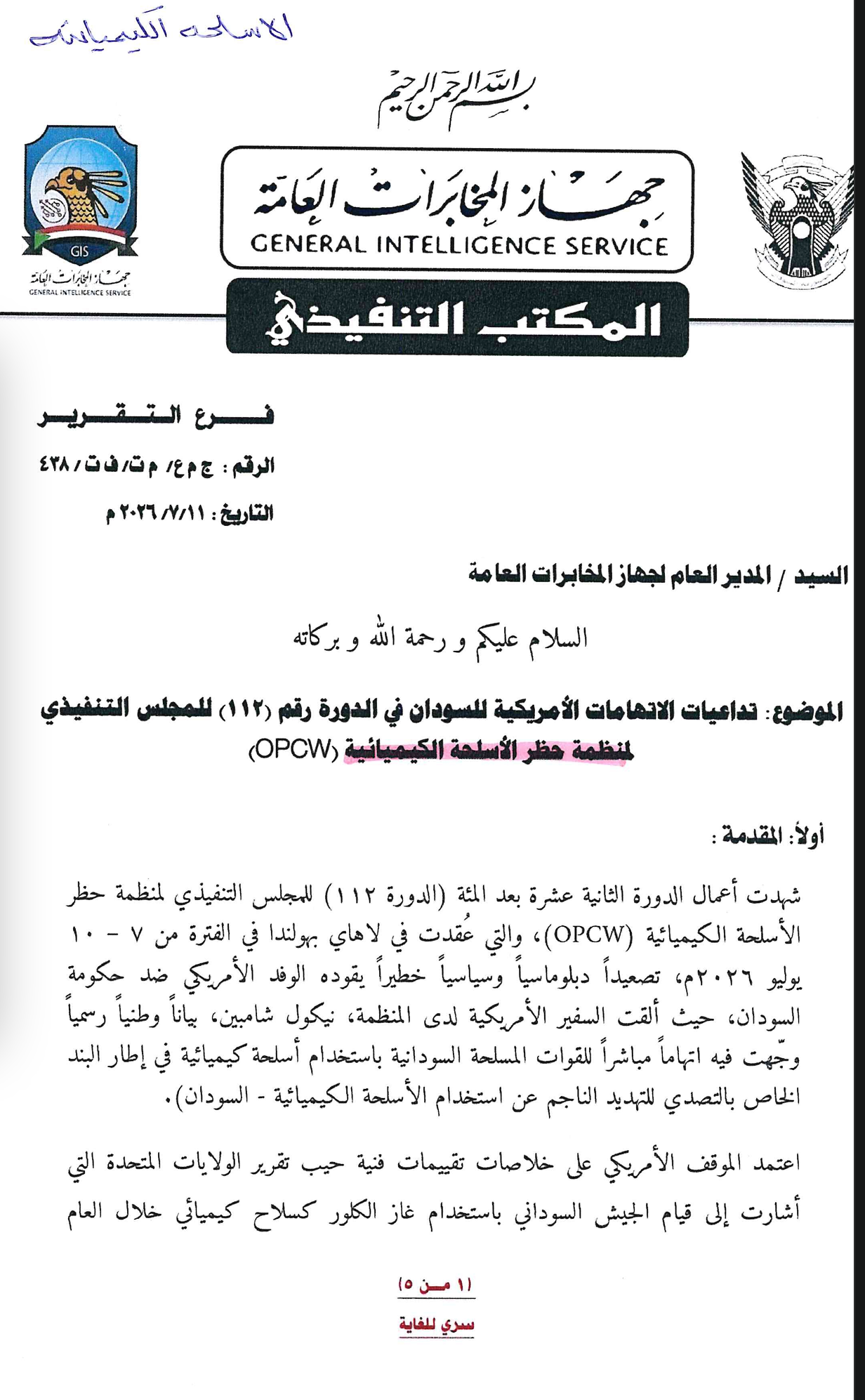
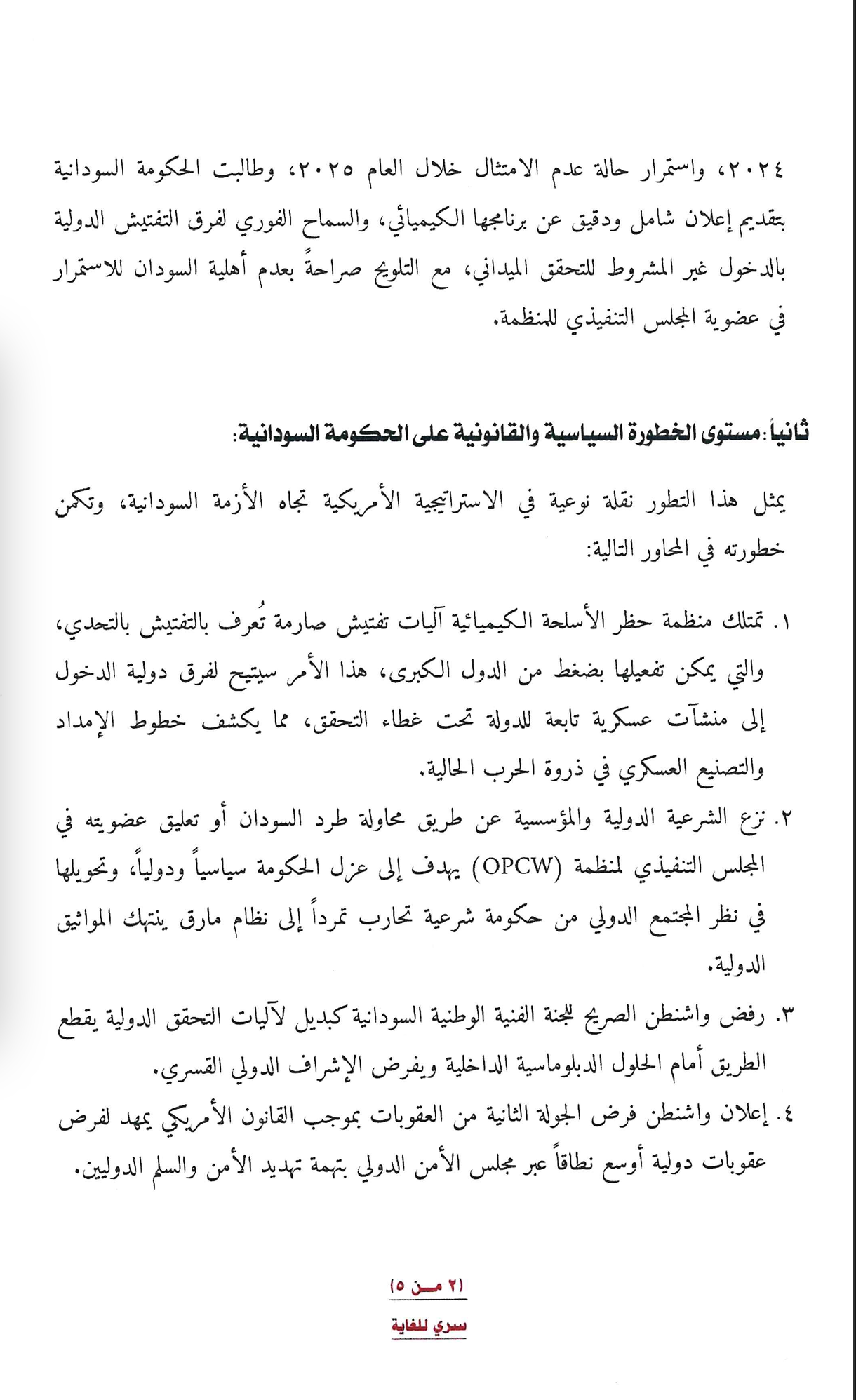
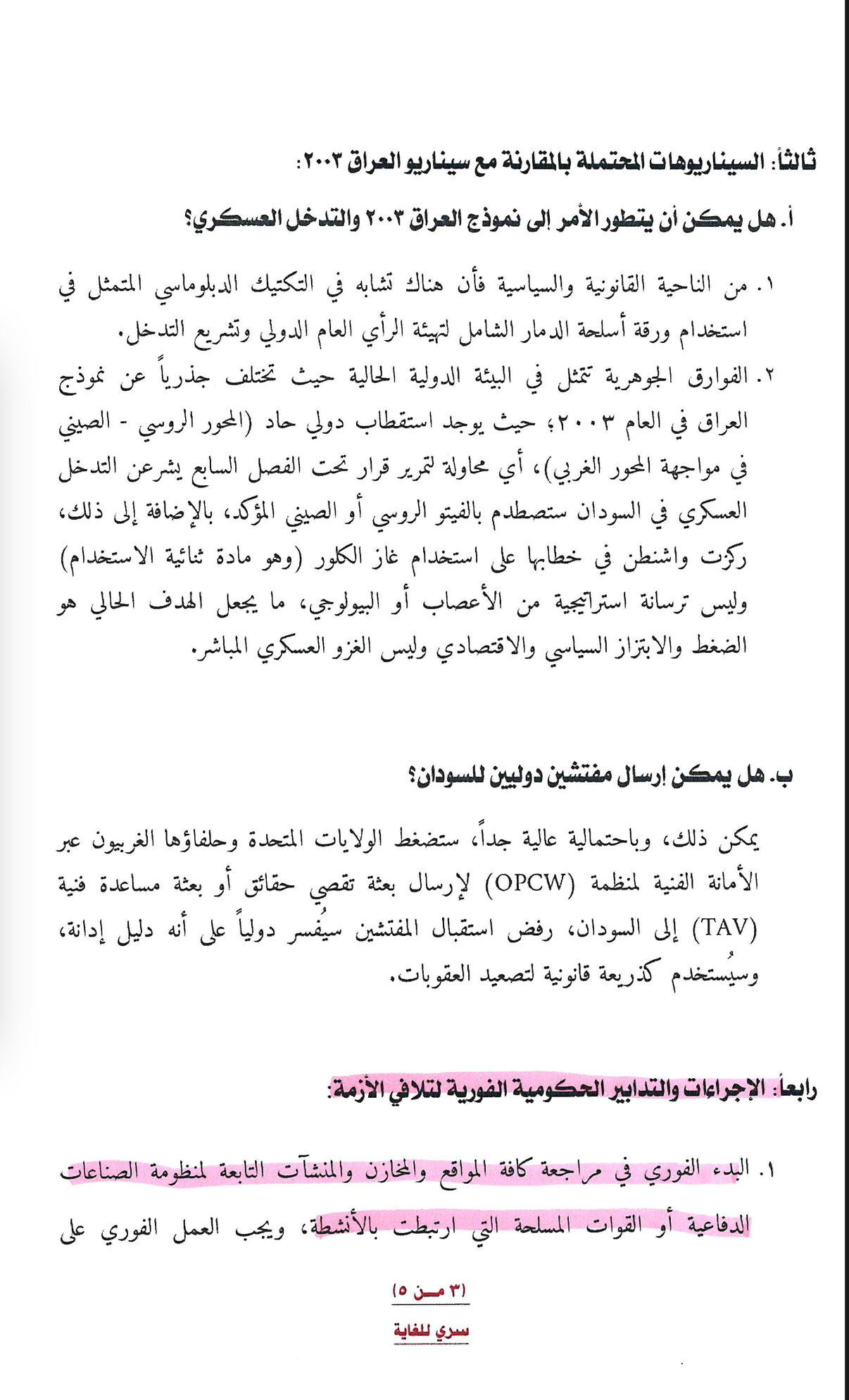
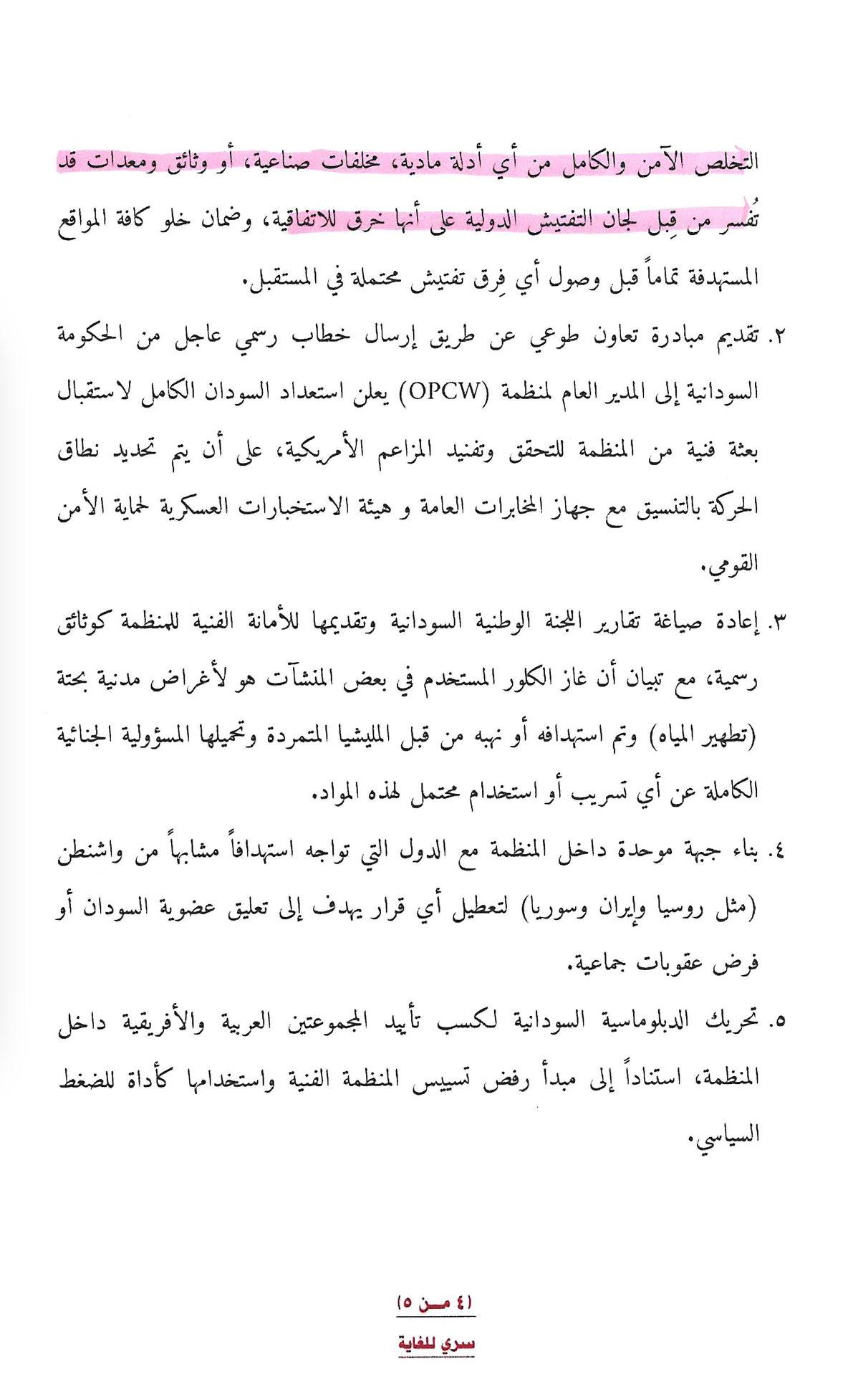
In June 2025, the United States announced that the Sudanese government had used chemical weapons in violation of international law and imposed a range of sanctions on Khartoum, including restrictions on assistance and military sales. In June 2026, Washington decided to impose additional sanctions after determining that Sudan had not met the conditions required to avoid further measures.
Although Sudanese authorities deny the allegations, the case has now moved beyond one side’s account against another’s. Articles published by the Washington Post and the New York Times in September 2026 described documents, photographs, videos and messages disputed by Khartoum but reviewed by experts and former officials specialising in chemical weapons. The reports stressed that the available evidence is not sufficient on its own to support a final judicial ruling, but provides a serious basis for an international investigation.
-
Chemical Weapons in Sudan: Evidence and Testimonies Put the Army Under Scrutiny as Calls for an International Investigation Grow
-
International Monitoring and Verification Mechanisms for Chemical Weapons in Sudan: The Role of the United Nations and the Organisation for the Prohibition of Chemical Weapons
Breaches Within the Security Apparatus
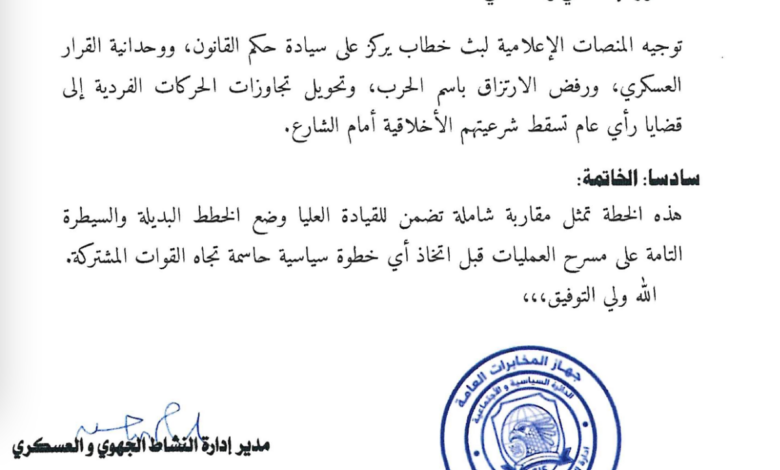
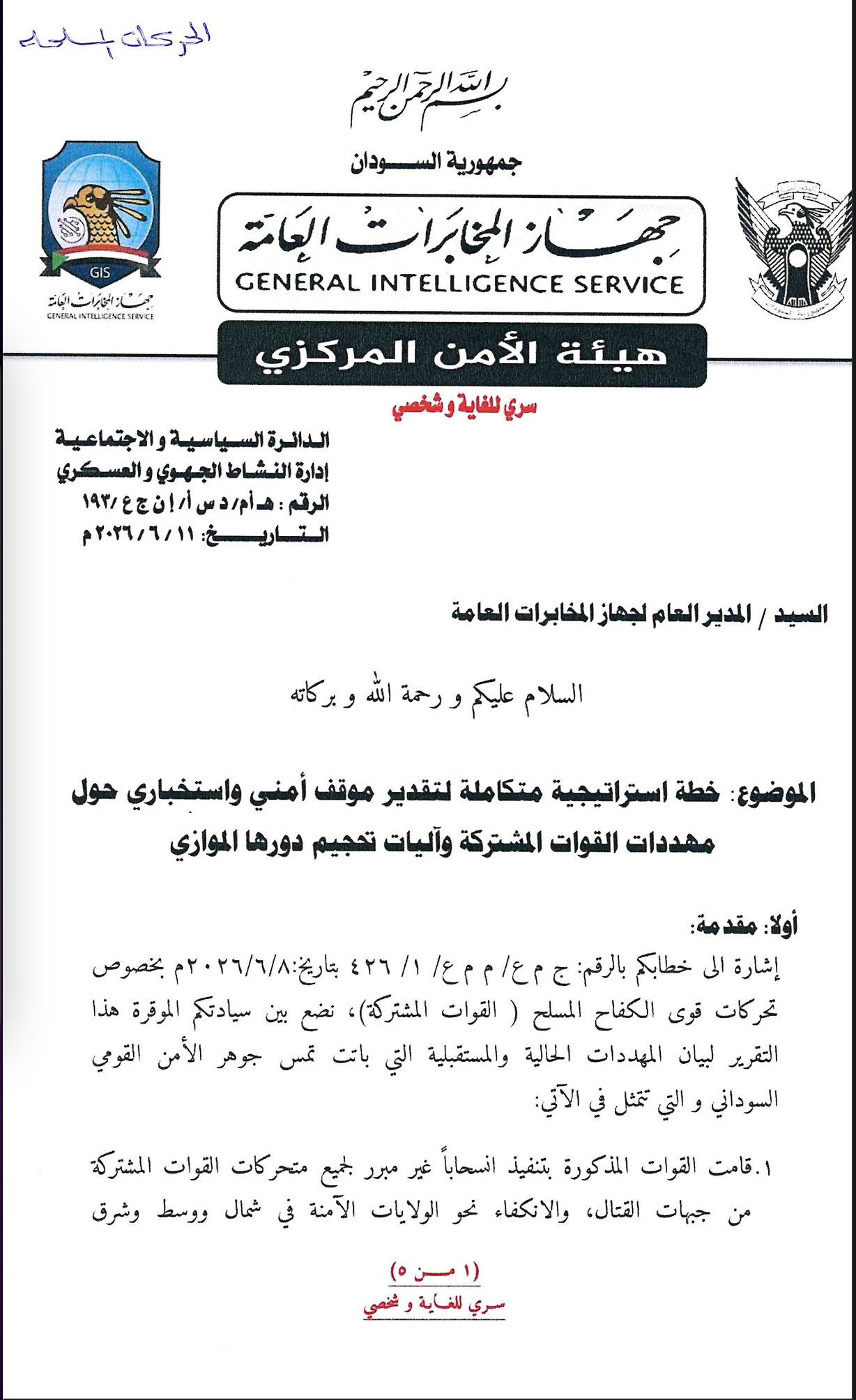
The most troubling aspect of the case concerns not only the weapons themselves, but also how information and documents were obtained from within a military institution presumed to operate in a closed security environment. If the documents made public are authenticated, this would mean that sensitive details about the development, testing, transport and use of chemical substances were stored on officials’ phones and in their correspondence. Such a situation would expose the security apparatus’s vulnerability to deep infiltration.
Claims that the Rapid Support Forces possess documents proving the army’s use of chemical weapons require professional caution. The circulation of documents does not automatically establish their authenticity, nor does a belligerent’s claim to possess them prove their contents. However, the emergence of similar material through different journalistic and intelligence sources warrants an independent international investigation, particularly since the United States has already formally concluded that chemical weapons were used.
The issue is especially sensitive because Sudan has been a party to the Chemical Weapons Convention since 1999. Any production, stockpiling or use of these weapons would therefore constitute an extremely serious breach of an explicit international obligation.
-
Angry March in London Denounces Use of Chemical Weapons in Sudan
-
Chemical Weapons in Sudan: A Military Crime in Global Silence
What Happened to the Stockpiles and Substances?
One of the questions requiring an independent answer concerns what happened to substances, equipment and documents associated with any chemical activity after the American allegations emerged. Recent press investigations have described attempts to conceal traces of facilities and equipment linked to the alleged programme. Other material has referred to messages discussing the removal of traces and waste from military sites.
These accounts cannot be treated as definitively established without on-site examination. Yet the allegations alone raise fundamental questions: were equipment and substances moved? Were documents destroyed? Were chemical residues removed from particular sites? Who issued the orders?
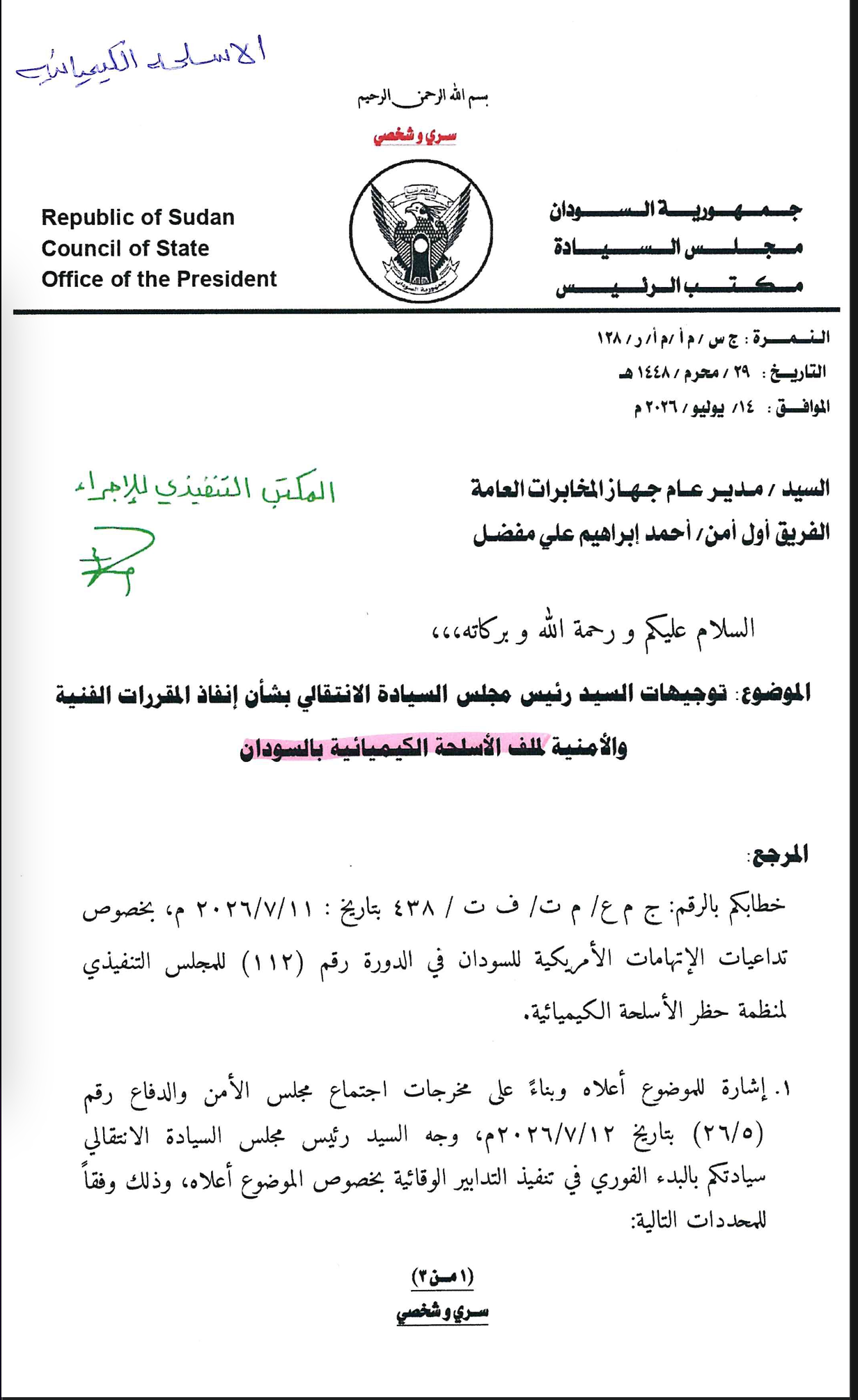
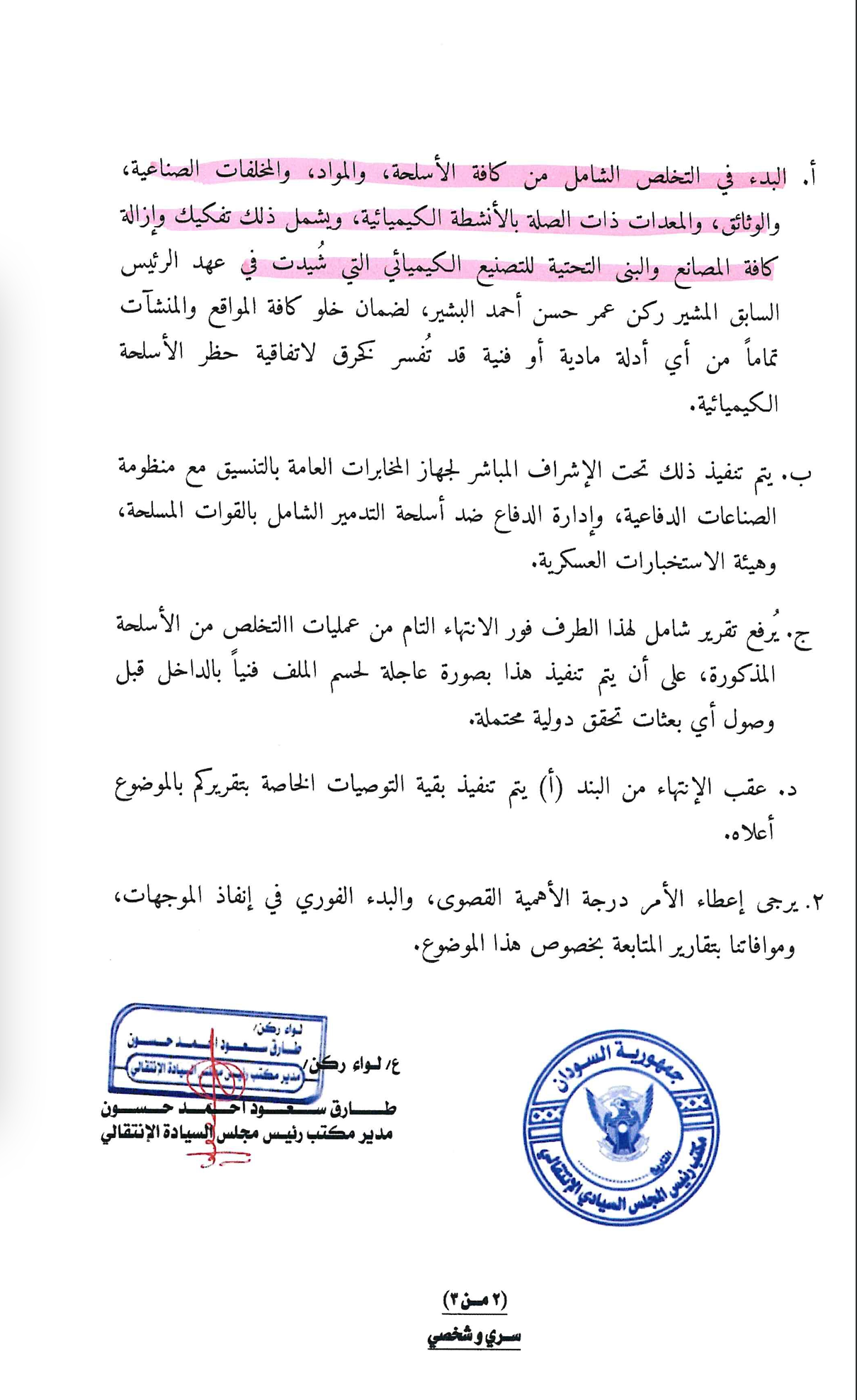
These questions are no less important than the question of use itself, because they concern a possible subsequent effort to dispose of evidence. If established, such actions could entail additional responsibility extending beyond those involved in developing or using the weapons to those who helped conceal their traces.
-
The Hidden Dimensions of Sudan’s Conflict: From Chemical Weapons Scandals to Battles over Money and Influence in Port Sudan
-
From Washington’s sanctions to calls from Geneva: the chemical weapons issue intensifies international pressure on Sudan
Iran: Established Military Cooperation and Unresolved Questions
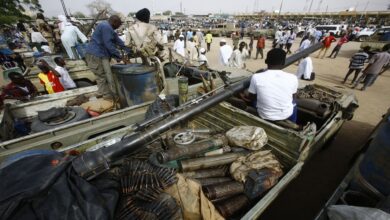
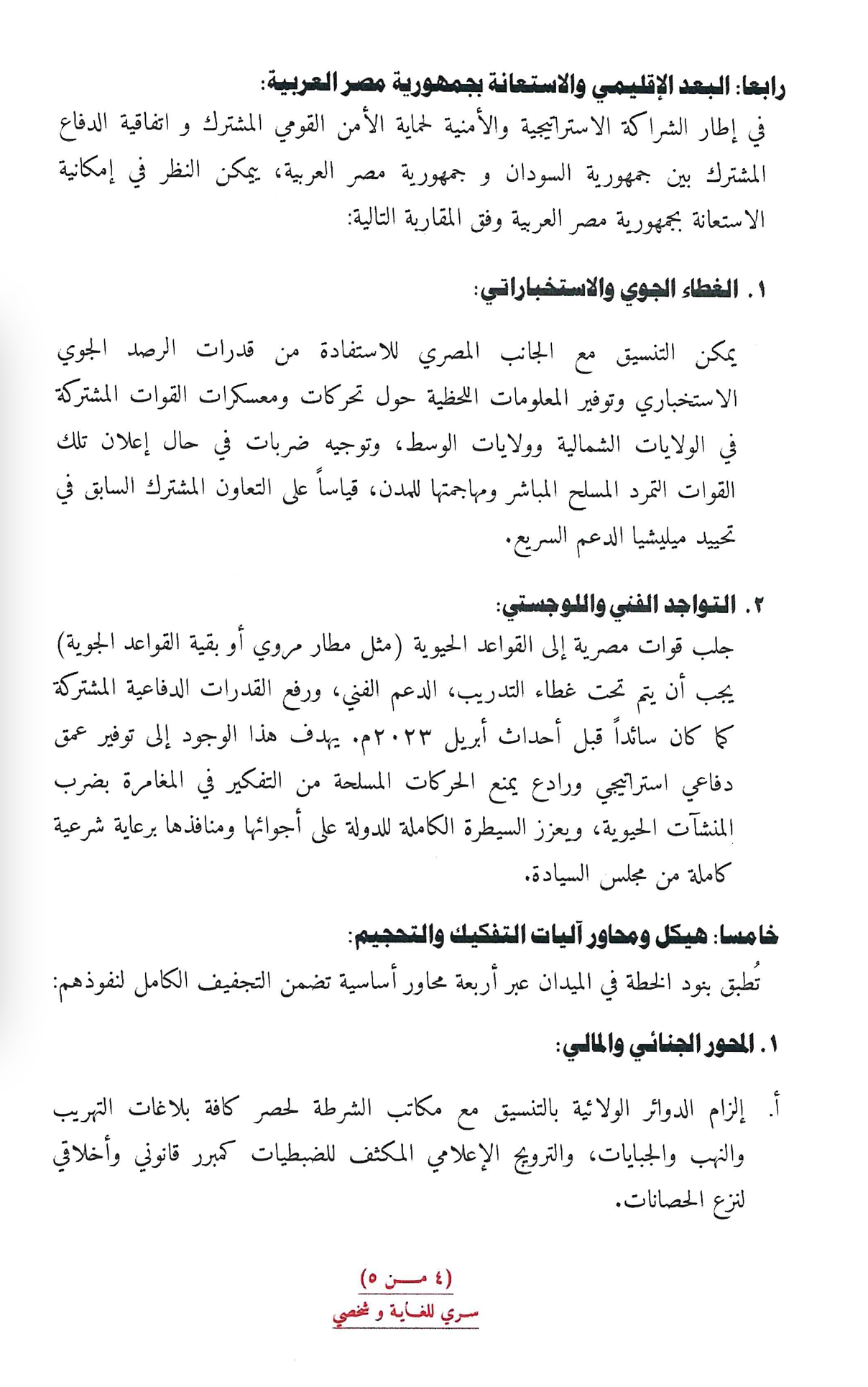
Within this case, Iran emerges as part of the broader military landscape of Sudan’s war. European and British sources have reported Iranian material support for the Sudanese army, including Iranian-made drones such as the Mohajer-6 and Ababil, within a military relationship that developed after diplomatic ties between the two countries were restored. Research sources have also described continuing transfers of Iranian weapons to the Sudanese army through flights to Port Sudan.
Linking this military cooperation specifically to chemical weapons, however, requires independent evidence. Verifiable public sources do not establish that Sudanese chemical weapons were transferred to Iran or that Sudanese intelligence supervised their shipment there.
It is therefore important to distinguish between two levels: documented Iranian–Sudanese military cooperation involving drones and weapons, and the allegation that Iran participated in the chemical weapons programme. The former is supported by multiple reports; the latter requires further documentation and investigation.
-
Washington Escalates Sudan Chemical Weapons Case: Sanctions, Investigations and International Pressure
-
New Evidence of Sudan’s Chemical Weapons Program… What Do the Documents and Images Reveal?
US Sanctions Narrow the Room for Manoeuvre
The American decision is more than an economic measure. Washington had already imposed sanctions on army chief Abdel Fattah al-Burhan in January 2025. The United States also stated that its measures reflected its position that neither belligerent—the army nor the Rapid Support Forces—constitutes Sudan’s legitimate constitutional government.
Pressure increased in 2026 when the United States decided to impose additional sanctions related to chemical weapons. Washington also proposed extending the arms embargo on Darfur to cover all of Sudan, reflecting the issue’s evolution from a domestic crisis into a matter of international security.
Armed Movements: Military Allies or a Political Burden?
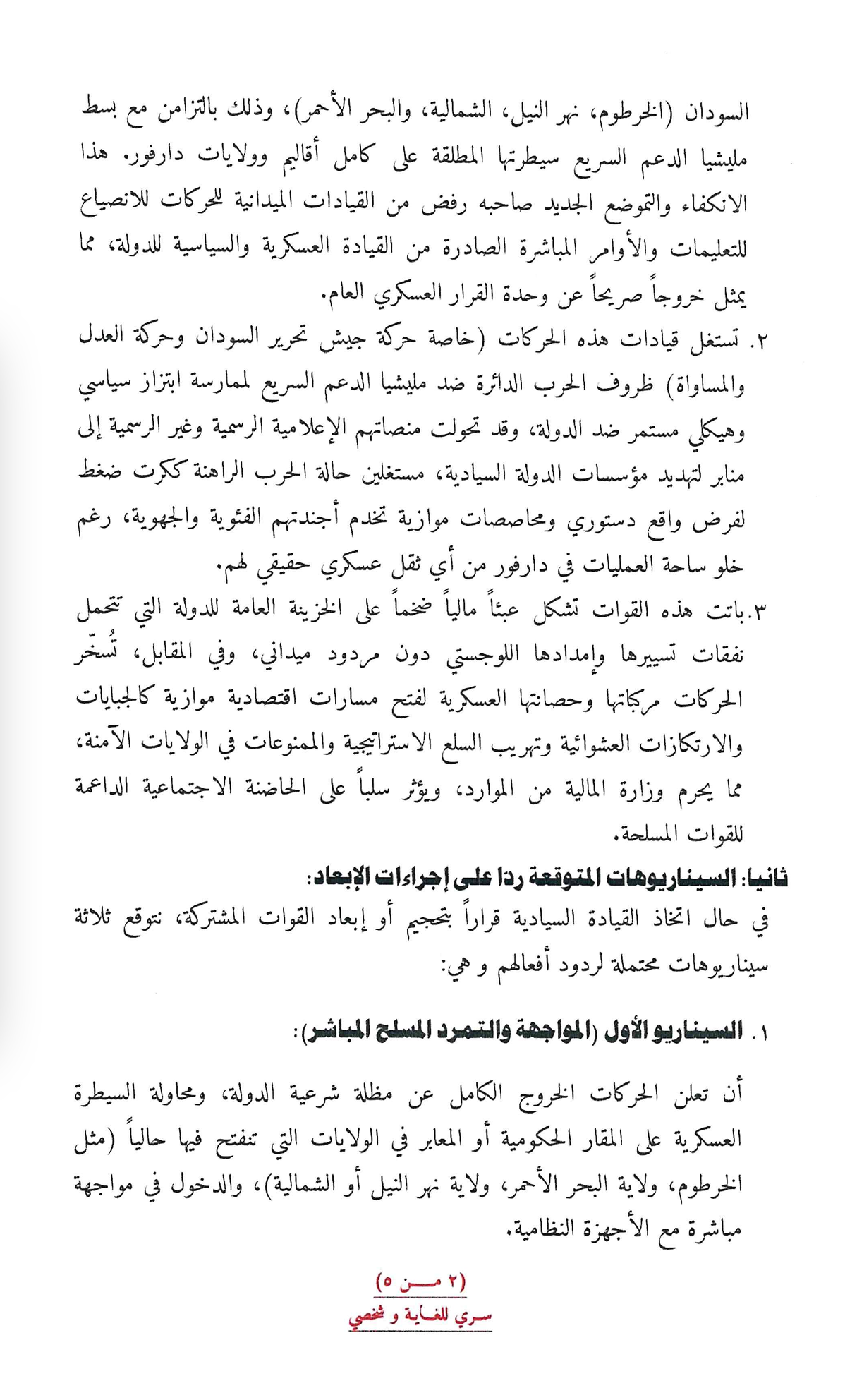
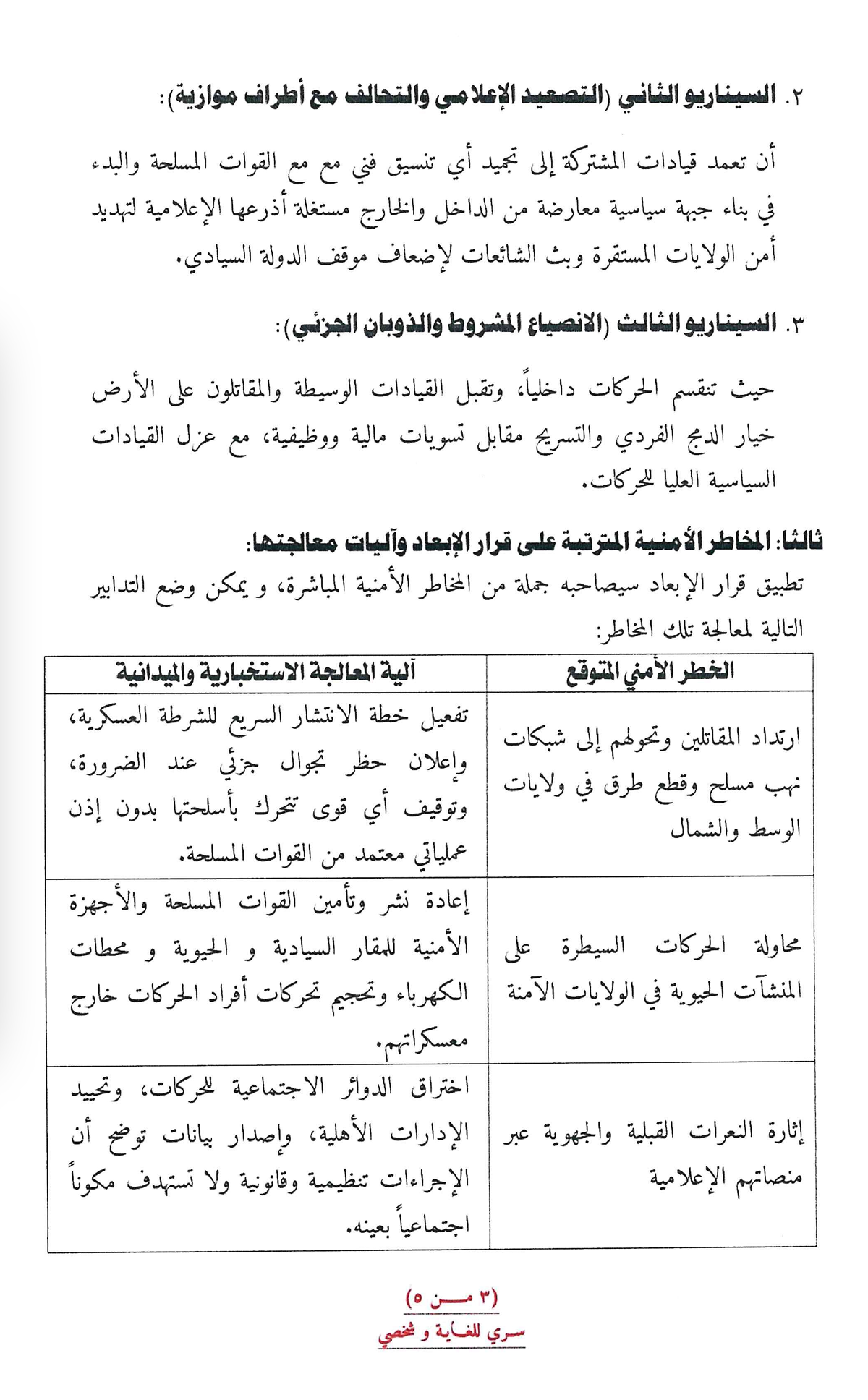
Elsewhere in this picture, the army’s relationship with the armed movements that signed the Juba Agreement does not appear entirely stable. These movements joined the fighting alongside the army against the Rapid Support Forces, and the “Joint Force” became one component of the military camp opposing them.
-
Washington Renews Accusations Against Sudanese Army Over Use of Chemical Weapons… A Case That Puts the Sudan War Before a New International Test
-
The Sudanese Army and Chemical Weapons: What Do the New Evidence Reveal About a War That Has Crossed Every Red Line?
This military alliance does not necessarily imply complete political alignment. Reports published during 2026 revealed that the armed movements were seeking political guarantees before fully integrating into the security institutions. They feared that integrating their forces would strip them of the leverage accumulated since the signing of the Juba Agreement.
July 2026 also saw measures to restrict the Joint Force’s role in certain cities following security incidents. This demonstrates that cooperation on the battlefield does not eliminate competition over influence, weapons and political decision-making.
Claims that these movements have become an enormous financial burden on public finances, however, require official figures to avoid becoming unsubstantiated political judgements. Nevertheless, the existence of multiple forces and separate military decision-making centres does pose a major challenge to any effort to build a unified security institution.
-
Chemical Weapons Return to Sudan… Secret Documents Reveal How Chlorine Became a Weapon in the Army’s Hands
-
Sudan Under the World’s Microscope… Are Chemical Weapons Pushing the Army Toward International Isolation?
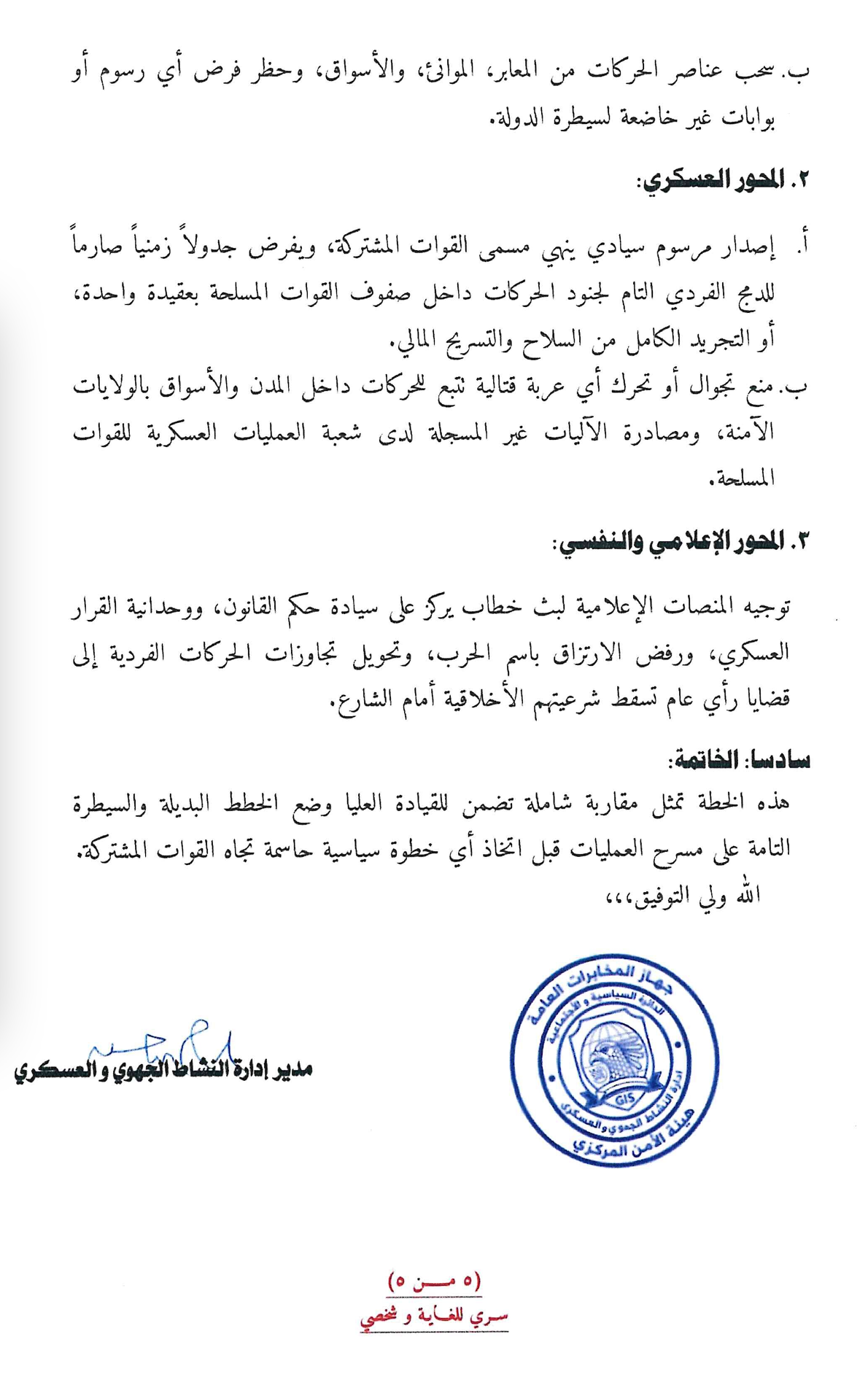
The chemical weapons crisis thus intersects with a broader crisis: Sudan faces not only a war between two forces, but also fragmented security decision-making, multiple centres of power and competing interests between the military establishment and its armed allies.
Ultimately, the most pressing question is not simply whether chemical weapons were used. It is also who made the decision, who carried it out, what happened to the substances and equipment, whether their traces were removed, and who within the apparatus knew. Most importantly, can the Sudanese state allow an independent investigation to answer these questions free from military and political calculations?
Without documented answers, the chemical weapons issue will remain an instrument in the battle of narratives, while Sudanese people continue to bear the cost of an ongoing war and the proliferation of armies and centres of influence.
-
Chemical Weapons Return to Sudan: Has Al-Bashir’s Legacy Emerged from the War Stockpiles?
-
The New York Times and The Washington Post Investigations: Chemical Weapons Fuel Calls for Accountability for the Sudanese Army
-
Sudan and the Organisation for the Prohibition of Chemical Weapons: Why Has the Case Not Been Resolved Internationally?