How can hot drinks help lower body temperature?
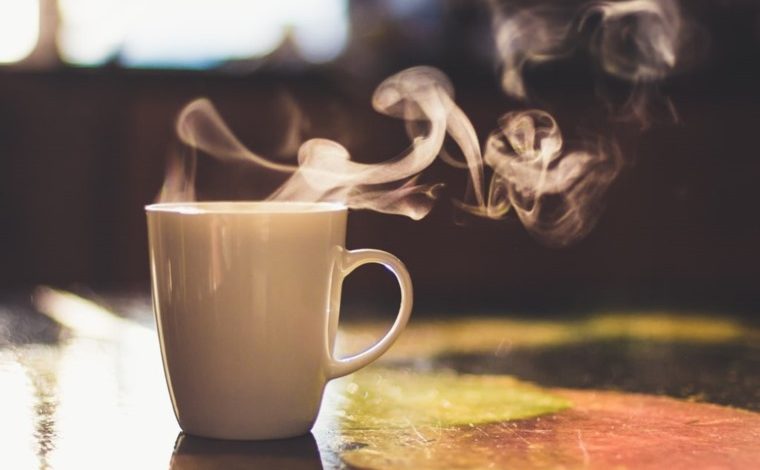
The idea that a hot drink could help cool the body may seem paradoxical. During hot weather, most people instinctively choose ice-cold beverages to feel immediate relief. Yet in many regions with desert or tropical climates, drinking hot tea during periods of intense heat is a long-standing tradition. This practice has fascinated scientists for years, leading them to explore how hot beverages may, under certain conditions, contribute to the body’s thermal regulation.
Body temperature: a constant balance
The human body maintains its internal temperature around 37°C through complex thermoregulation mechanisms.
The brain, particularly the hypothalamus, plays a central role in this regulation.
Why does the body produce heat?
Metabolism, muscular activity, and digestion continuously generate heat.
The body must then eliminate excess heat in order to maintain thermal balance.
Sweating: the primary cooling mechanism
When body temperature rises, the body produces sweat.
The evaporation of sweat from the skin surface helps dissipate heat.
-
“Unexpected” risks of energy drinks for heart patients
-
Are you diabetic? Here are the drinks to choose for a longer life
Why can a hot drink feel refreshing?
A hot beverage slightly increases the body’s internal temperature.
This increase may stimulate greater sweating, potentially leading to more heat loss through evaporation.
The essential role of evaporation
The cooling sensation depends mainly on the body’s ability to evaporate sweat efficiently.
In dry and well-ventilated environments, sweating becomes especially effective at cooling the body.
Hot and dry climates
In desert regions, hot beverages may sometimes support better thermal balance because increased sweating evaporates rapidly.
This is one reason why hot tea remains popular in certain warm countries.
-
How long can milk stay outside the refrigerator before it spoils?
-
For a healthier summer: seven naturally sweet fruits that can outperform sugary desserts
The limits of this effect
The cooling effect of hot drinks does not work the same way in every situation.
In highly humid environments, sweat evaporation becomes more difficult.
High humidity and thermal discomfort
When the air is saturated with moisture, sweat evaporates less effectively.
As a result, the body struggles more to eliminate heat, even after consuming a hot beverage.
Cold drinks: immediate but temporary relief
Cold beverages often create a rapid sensation of freshness in the mouth and throat.
However, this sensory effect does not always reflect the body’s overall thermal regulation.
-
Lemon and ginger: a simple drink that may support weight loss
-
What does coffee do to your kidneys when you drink it every morning? Physiological effects, potential benefits, and limits of a daily habit
The role of sensory receptors
The mouth and digestive system contain receptors sensitive to temperature.
These receptors influence immediate sensations of heat and cold.
Physiological reactions to very cold beverages
In some individuals, ice-cold drinks may slightly reduce sweating.
This could limit part of the body’s natural cooling process.
Hot tea in cultural traditions
In several Middle Eastern, North African, and Asian cultures, hot beverages are traditionally consumed even during summer.
These habits are often linked to generations of practical experience with hot climates.
-
How do dark carbonated beverages affect kidney health? Mechanisms and metabolic implications
-
What is the effect of sparkling water on the taste of food? A sensory and physiological analysis
The importance of overall hydration
During hot weather, adequate hydration remains the main priority.
Whether hot or cold, beverages help compensate for fluid loss caused by sweating.
Caution with highly sweetened drinks
Extremely sugary beverages may sometimes reduce optimal hydration efficiency or unnecessarily increase calorie intake.
Water generally remains the best source of hydration.
Caffeine and heat
Certain hot drinks, such as coffee and tea, contain caffeine.
When consumed moderately, their diuretic effect is usually limited in people accustomed to caffeine.
-
Common foods potentially linked to worsening joint pain: mechanisms and individual variability
-
Can ultra-processed foods increase the risk of cognitive decline? Understanding mechanisms and implications for brain health
Risks of dehydration
In hot conditions, excessive water and electrolyte loss may lead to fatigue, dizziness, and heat exhaustion.
Listening to the body’s signals remains essential.
Individual differences
The body’s response to hot beverages varies depending on the person, age, physical activity level, and environmental conditions.
There is no single universal response.
The role of clothing and environment
Ventilation, lightweight clothing, and shade strongly influence the body’s cooling efficiency.
Beverages represent only one element among many thermal factors.
-
Drinking Coffee in the Morning or Throughout the Day: What Is the Best Choice?
-
Do high summer temperatures increase the risk of kidney stones?
Scientific research on the subject
Some studies have confirmed that hot drinks may increase sweating and promote net heat loss under specific conditions.
However, results depend heavily on environmental context.
Drinking according to comfort
Specialists emphasize the importance of adapting beverage choices to personal comfort and climate conditions.
The most important goal remains maintaining consistent hydration.
-
Does milk reduce the antioxidant benefits of tea?
-
How long does magnesium take to improve your sleep?
Contrary to popular belief, hot beverages may sometimes contribute to body cooling by stimulating sweating and promoting heat evaporation, particularly in hot and dry environments. However, this effect depends strongly on climate conditions, especially humidity levels and the body’s ability to evaporate sweat efficiently.
Cold drinks often provide immediate sensations of freshness, while hot drinks may contribute to more complex thermal regulation processes. In all cases, maintaining proper hydration remains the essential priority for protecting the body from the effects of heat.
-
Is Waking Up at 5 A.M. Truly the Secret to Success?
-
What Happens to Your Body When You Drink Coconut Water Daily?
-
Should People with High Blood Pressure Stop Drinking Coffee?
-
Do Protein Shakes Really Help with Weight Loss?