Lebanon Becomes a Test Case for the Resilience of the U.S.–Iran Agreement
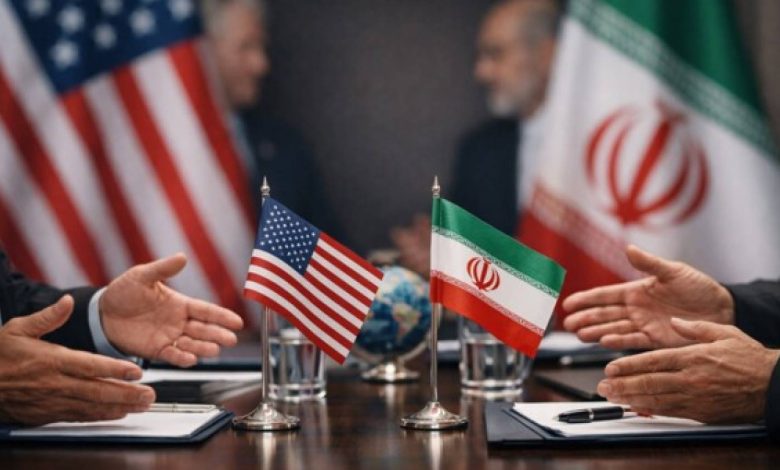
Iranian Foreign Minister Abbas Araghchi warned on Tuesday that any Israeli attack on Lebanon, or the continued presence of Israeli forces on Lebanese territory from this point forward, would be regarded as a violation of the interim agreement reached with Washington. His warning reflected growing concerns over potential Israeli efforts to undermine the understandings reached and to pressure U.S. President Donald Trump into opposing any attempt to implement them.
He stated, “From our perspective, the two parties to this memorandum are the United States and Israel on one side, and Iran and Hezbollah on the other.” He emphasized that Tehran and Washington would begin a new round of negotiations in Switzerland on Friday aimed at reaching a final agreement following the official implementation of the interim accord.
Sources reported that fighting between Israel and Hezbollah declined significantly on Monday but did not cease entirely despite the agreement. An Israeli strike killed one person, highlighting the fragility of the ceasefire, while the Lebanese file has emerged as a critical test of the broader U.S.–Iran understanding.
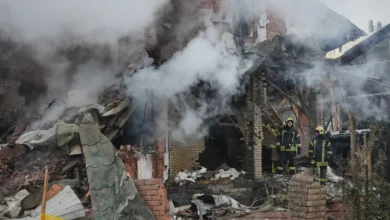
Lebanon has suffered some of the deadliest consequences of the conflict between the United States and Iran. Israeli attacks against Hezbollah have resulted in approximately 3,800 deaths and the displacement of nearly 1.2 million people.
The group began firing on Israel on March 2 in support of Tehran. Ending hostilities in Lebanon is considered a key component of the broader agreement, as Iran pushed for a Lebanese ceasefire to be included in the deal. Pakistan, which has played a major mediating role, stated that the American and Iranian sides reached an agreement early Monday local time providing for the “immediate and permanent termination of military operations on all fronts, including Lebanon.”
Relative Calm on the Lebanese Front
Lebanese and foreign security sources stated that the announcement brought a degree of relative calm to southern Lebanon. Nevertheless, sporadic violence continued as Israeli forces remained in territory occupied during the three-month conflict.
Israel carried out a drone strike on a vehicle in the town of Kfar Tebnit, killing its driver.
Hezbollah announced that it had launched drones and missiles against Israeli military vehicles that it claimed were attempting to advance further into southern Lebanon. The attack marked the group’s first operation since the agreement came into effect.
The Iran-aligned movement also reported firing a barrage of rockets and artillery shells at Israeli forces, indicating that clashes were still ongoing.
Later on Monday, the Israeli military confirmed intercepting rockets launched by Hezbollah toward an area where its troops were operating in southern Lebanon. It also stated that anti-tank missiles and mortar rounds had been fired, although no casualties were reported.
Journalists and residents in Beirut reported hearing an Israeli drone circling continuously over the Lebanese capital and its southern suburbs throughout Monday.
A Hezbollah official had previously stated that the group’s position regarding the ceasefire depended on Israel’s adherence to it.
The same official, speaking on condition of anonymity, said that Tehran had postponed the signing of the memorandum of understanding with the United States until June 19, partly to monitor whether Israel would continue its attacks on Lebanon. Israel is not a party to the agreement between Washington and Tehran.
Late on Monday, Israeli Prime Minister Benjamin Netanyahu stated that Israeli forces would remain in southern Lebanon for as long as necessary. He said that Iran had demanded their withdrawal, but that he had “maintained his position,” stressing that the Israeli military would retain “freedom of action” in Lebanon to prevent attacks by the Shiite movement.
He also claimed that four militants had been killed after approaching Israeli positions.
These claims could not be independently verified.
For its part, Hezbollah stated that it rejects any arrangement that would allow Israel to continue military operations inside Lebanon and warned against the continuation of Israeli attacks.