Tehran Still Retains Most of Its Missile Arsenal
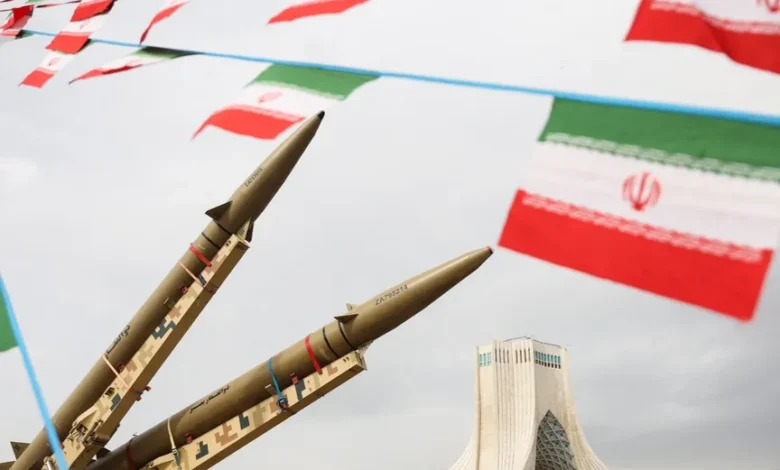
A New York Times report highlights intelligence disagreements within the United States regarding the extent of the damage inflicted on Iran’s missile capabilities.
The American newspaper The New York Times has revealed the existence of intelligence assessments indicating that Iran still retains a substantial portion of its missile capabilities, despite repeated statements by the administration of U.S. President Donald Trump claiming that the Iranian military had been “completely destroyed” during the recent war.
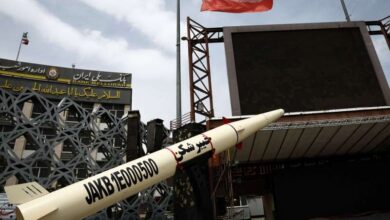
According to the report, the documents show that Iran still possesses approximately 70 percent of the missile stockpile it held before the outbreak of the war with the United States and Israel. Mobile missile launch platforms, a key component of Iran’s deterrence strategy due to their mobility and difficulty to detect or target, also remain operational.
The intelligence assessments further indicate that around 90 percent of Iran’s underground missile storage and launch facilities across the country are now “partially or fully operational,” contradicting the official narrative promoted by the U.S. administration regarding the scale of Iran’s military losses.
Based on classified intelligence documents from last May cited by the newspaper, the Iranian military has regained access to 30 of the 33 missile bases located around the Strait of Hormuz. This reflects Tehran’s ability to restore its core military infrastructure within a relatively short period following the strikes it endured.
In the White House’s first response to the report, Deputy White House Press Secretary Olivia Wells reaffirmed the administration’s position, insisting that the Iranian military had been “completely crushed” and criticizing reports suggesting that Tehran had restored its military capabilities.
Wells stated that any claim regarding the restructuring of the Iranian military or the restoration of its readiness was either “self-deception” or a repetition of the rhetoric of Iran’s Islamic Revolutionary Guard Corps, underscoring the Trump administration’s commitment to its official narrative despite growing intelligence and media reports suggesting otherwise.
For his part, the U.S. president intensified his criticism of American media outlets that reported on the continued strength of Iran’s military capabilities. In a post on the Truth Social platform, he stated that implying the Iranian military remained in good condition “comes close to treason,” reflecting the sensitivity of the issue within the administration as debate over the war’s outcomes continues.
The United States and Israel launched large-scale military operations against Iran on February 28, prompting Tehran to respond with attacks against Israel and what it described as “American sites and interests” across several countries in the region.
On April 8, Washington and Tehran announced a temporary ceasefire brokered by Pakistan, followed by a round of negotiations in Islamabad on April 11. However, the talks failed to produce a comprehensive agreement to end the conflict.
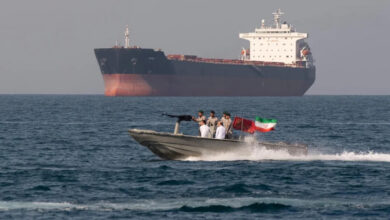
With diplomatic efforts stalled, the United States intensified pressure on Iran by imposing a maritime blockade on Iranian ports, including those overlooking the Strait of Hormuz. Tehran responded with countermeasures, including restricting maritime traffic through the strait and requiring prior coordination with Iranian authorities.
This dispute comes at a time of growing international concern over a potential resurgence of military escalation in the Gulf, particularly amid continuing tensions regarding navigation security in the Strait of Hormuz, one of the world’s most strategically important routes for global oil and energy transportation.
Sources familiar with the matter had previously disclosed that recent U.S. intelligence assessments suggested that the damage inflicted on Iran’s nuclear program remained limited despite military strikes targeting sensitive facilities during the latest confrontation between Washington and Tehran.
According to these assessments, the timeline required for Iran to achieve a nuclear weapons capability has not changed significantly compared with estimates produced last summer. At that time, intelligence agencies concluded that American and Israeli military operations had delayed Iran’s nuclear program by only about one year.
The available evidence indicates that the overall structure of Iran’s nuclear program has remained relatively stable, even nearly two months after the outbreak of the U.S.-led war, one of whose primary objectives was to prevent Iran from acquiring military nuclear capabilities. Although most military operations focused on conventional targets, Israel also carried out strikes against major nuclear facilities in an effort to weaken the technical infrastructure of the Iranian program.
The sources emphasized that the persistence of the same timeline reflects the limited military impact on Iran’s nuclear project. They noted that any fundamental change would require the destruction or removal of Iran’s stockpile of highly enriched uranium, which represents the most critical element in the process of developing a nuclear weapon. Without affecting this stockpile, Iran retains the ability to resume its nuclear activities within a relatively short period.