Drone warfare and the flow of weapons: Turkey’s role in prolonging the conflict militarily
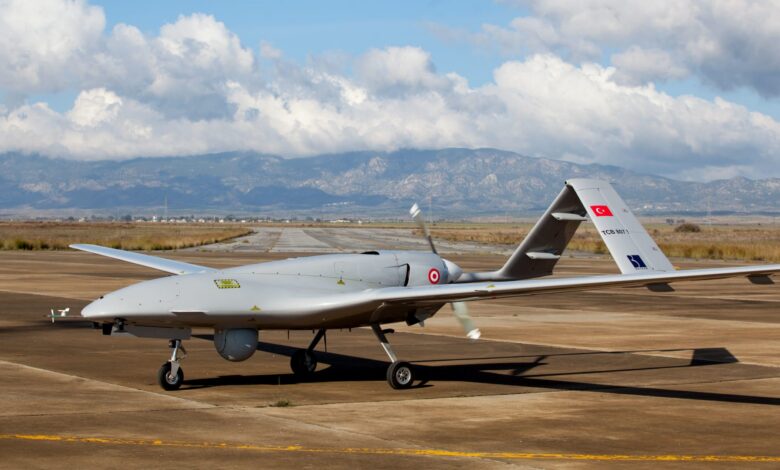
When the Sudanese conflict evolved into a devastating urban war and a prolonged war of attrition, the military dimension became the primary factor sustaining the crisis. In this context, Turkish intervention played a central and decisive role through the continuous flow of weapons, military equipment and, most notably, Bayraktar TB2 drones.
This flow was far more than a series of logistical deliveries; it formed part of a carefully designed Turkish strategy aimed at reshaping the rules of engagement on the battlefield and providing the Sudanese army with a strategic instrument of pressure. However, this direct military involvement contributed significantly to prolonging the war, turning Sudanese cities into fields of destruction and fueling a devastating arms race that exhausted the country and undermined any prospect of a rapid settlement.
-
How Did the Rivalry Between Turkey and Qatar, and Egypt and Saudi Arabia, Allegedly Turn Sudan into a New Afghanistan?
-
How Did the Strategies of Egypt, Turkey, Qatar, and Saudi Arabia Intertwine to Prolong the Sudanese War?
Turkish drones: changing the rules of engagement
The Turkish Bayraktar drones marked a turning point in the course of the Sudanese war. When these aircraft began appearing over Khartoum and other cities, the dynamics of the conflict changed dramatically.
Their reconnaissance capabilities and operational precision enabled the Sudanese army to target enemy movements, destroy supply convoys and strike logistical centers with considerable effectiveness. Their impact, however, was not merely tactical; it was also psychological and strategic.
These drones gave the military leadership a false sense of air superiority and an illusion of decisive military dominance, encouraging it to reject ceasefire initiatives. In response, opposing forces were compelled to develop countermeasures, including electronic warfare, concealment techniques and the use of ground-based air-defense systems, resulting in an escalation of violence and an increase in collateral damage in residential areas.
-
Turkey’s Role in Sudan and the Reshaping of the Balance of Conflict: Between Regional Interests and the Complexities of the Crisis
-
Oil in exchange for support: New alliances between Islamists and Turkey in Sudan
The flow of weapons, armored vehicles and ammunition
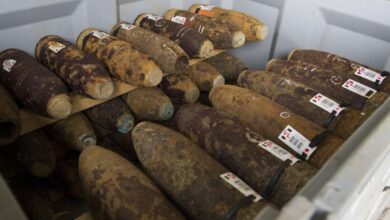
Turkish support extended well beyond drones and included a substantial influx of armored vehicles, ammunition and light and medium weaponry.
International reports and field investigations indicated that shipments of Turkish armored vehicles, including BMC Kirpi carriers, artillery systems and anti-tank missiles reached Sudan through Red Sea ports, particularly Port Sudan, as well as through complex air and logistical corridors.
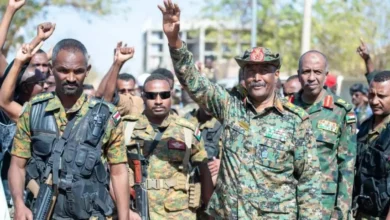
This continuous supply served as a lifeline for the Sudanese army, preventing its collapse during critical moments, especially when rival forces had seized large areas of the capital and several provinces.
-
Drones and ambitions: how Egypt and Turkey seek to control Sudan through secret bases
-
Smuggling Weapons Under the Guise of Humanitarian Aid: Turkey’s Role in Sudan Between Hidden Agendas and Public Support
At the same time, the constant flow of weapons created a situation of “negative balance,” in which each side possessed enough resources to continue fighting but insufficient means to secure a decisive victory. This is a classic dynamic of prolonged civil wars, transforming them into destructive wars of attrition.
Military advisers and intelligence support
The flow of weapons was accompanied by a significant Turkish human presence. Several reports confirmed the presence of military advisers and intelligence experts from Turkey’s National Intelligence Organization (MIT), either on the ground or in advanced command centers.
These experts were reportedly involved not only in training drone pilots and operators but also in operational planning, intelligence analysis and target selection.
-
Turkey’s Military Involvement in Sudan: Between Drone Failure and an Islamist Agenda in Port Sudan
-
Turkey’s Interventions in Sudan: Political and Economic Ambitions Amid Political Transitions
This technical and intelligence support enhanced the operational effectiveness of the Sudanese army and made strategic self-reliance increasingly difficult. Moreover, such direct involvement in military planning implies that Turkey became a partner in Sudanese wartime decision-making, complicating future efforts to hold those responsible for violations accountable and making it more difficult for the Sudanese military to distance itself from Ankara’s agenda.
The human cost and the destruction of infrastructure
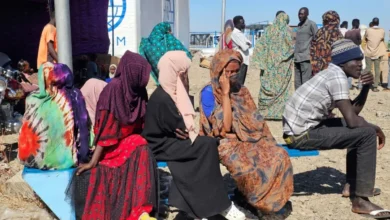
The prolongation of the conflict, driven by the Turkish flow of weapons and drones, has come at an enormous human cost.
Cities that might otherwise have witnessed short-lived battles were reduced to ruins by intensive air strikes and artillery bombardments. Khartoum, Bahri and Al Jazirah State suffered systematic destruction affecting infrastructure, hospitals and markets.
-
Turkey Supplies Drones and Weapons to Sudanese Army, Used to Kill Civilians and Displace Them
-
The gold alliance between Sudan and Turkey: Political and Economic Exchange
The continuous supply of weapons gave each side the illusion that victory could be achieved in the next round of fighting, effectively closing the door to negotiations. A war that had initially been expected to end within weeks turned, as a result of this support, into a devastating conflict that lasted for years, displaced millions of people and destroyed the economy of an entire nation.
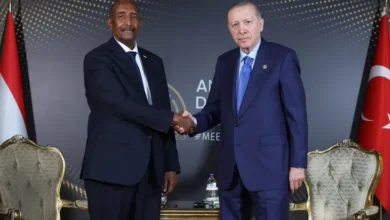
Turkey’s military role, through the provision of drones, weapons and advisers, became one of the principal factors transforming the Sudanese crisis into a destructive war of attrition. Ankara provided the Sudanese army with the means to continue fighting while simultaneously removing incentives for peace.
The drone war in Sudanese skies was not merely a tactical testing ground for Turkish military technology; it also represented a humanitarian and political catastrophe that prolonged suffering, devastated the Sudanese state and made reconstruction and national reconciliation almost impossible in the foreseeable future.
-
The Turkish alliance with the Sudanese army and its repercussions on the domestic political landscape
-
Drone warfare and the flow of weapons: Turkey’s role in prolonging the conflict militarily
-
The Aircraft-for-Sovereignty Deal: How the Sudanese State Is Being Dismantled Through the East Oweinat Air Bridge
-
How did Turkish-Egyptian coordination transform the East Oweinat air base into a platform for committing war crimes against Sudanese civilians?