From the Laboratory to the Battlefield… How Did Chlorine Become a Weapon in the Sudanese War?
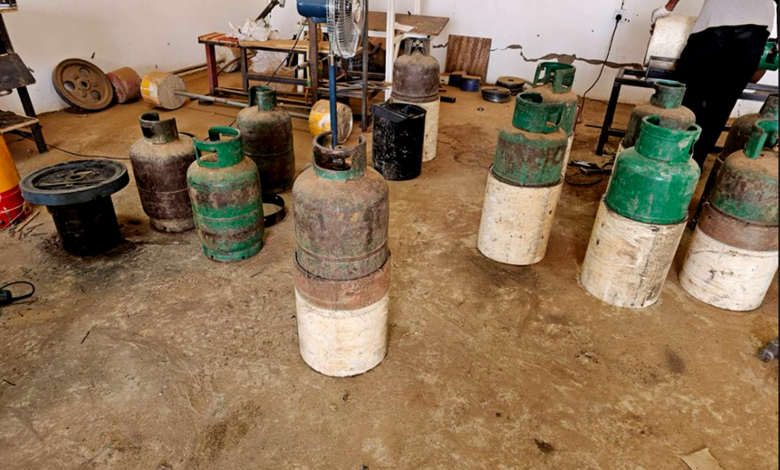
In conventional wars, a weapon can be clearly identified by its form and function: a rifle fires bullets, an artillery gun shells a position, or an aircraft drops a bomb. Chemical weapons, however, operate differently. They do not necessarily need to strike their targets directly, nor do they always leave visible traces minutes or hours after an attack. It is enough for the substance to disperse through the air for breathing itself to become dangerous and for an area to turn into a space where people can no longer remain safely. This is why reports of the possible use of chlorine as a weapon in the Sudanese war open an entirely different dimension from that of the other weapons used in the conflict. The issue concerns the ability of one party to the war to transform a familiar industrial substance into an instrument of killing, coercion, and displacement.
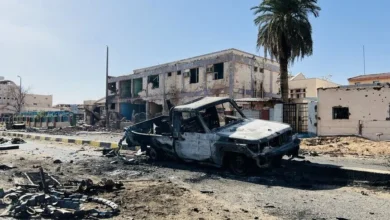
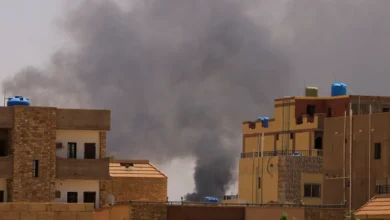
Since fighting erupted between the Sudanese army and the Rapid Support Forces in April 2023, the nature of the weapons used in the war has evolved rapidly. The fighting began in the heart of Khartoum before spreading to other states and regions, while air and artillery strikes, as well as drones, became essential components of the battles. As the geographical scope of the fighting expanded and traditional front lines receded, control over critical infrastructure, airports, factories, and sources of water and energy became part of the conflict. It was in this environment that reports emerged alleging that the Sudanese army had developed munitions believed to rely on chlorine. If these reports are confirmed, it would mean that the war had entered a new level of complexity and danger.
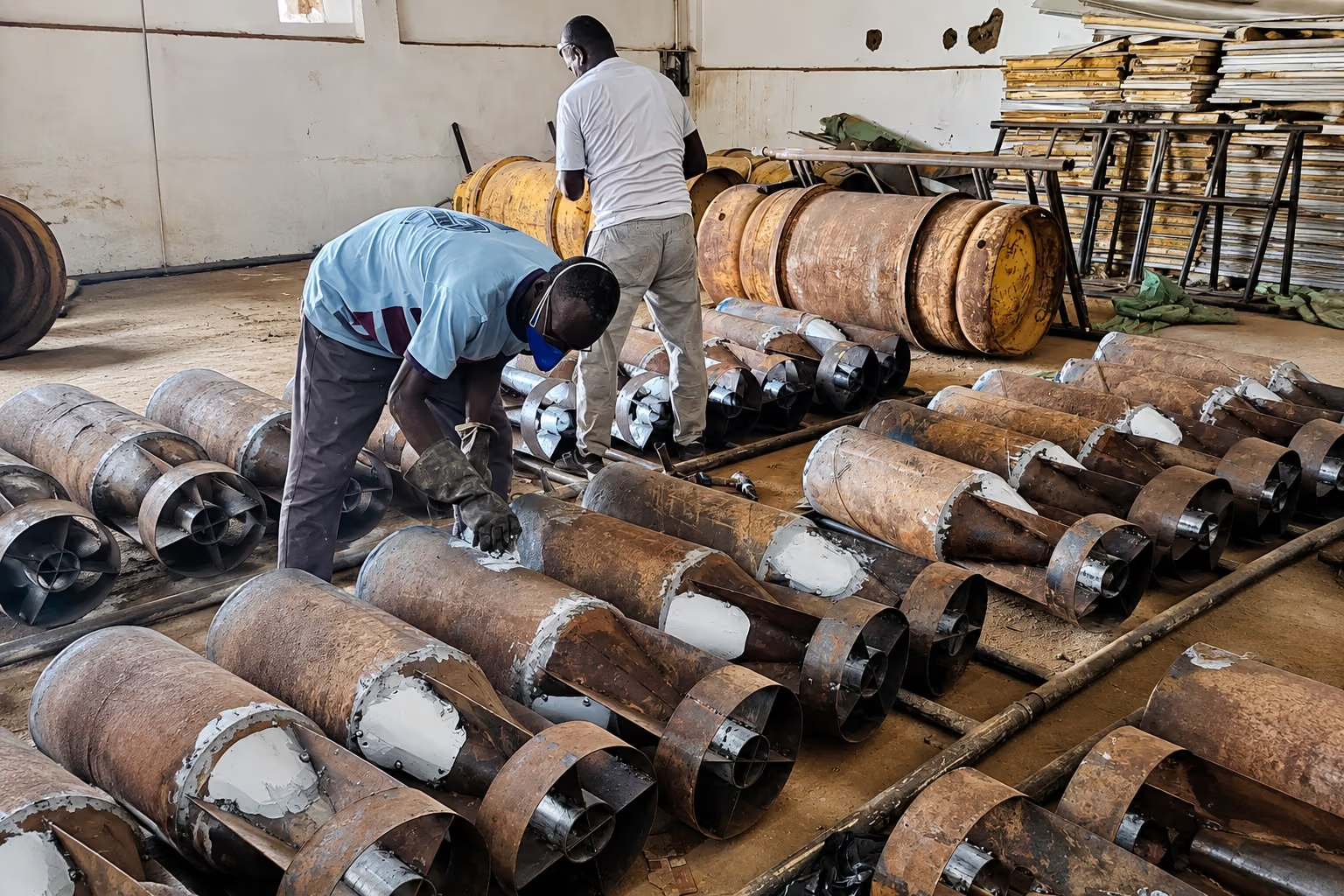
Documents uncovered by international journalistic investigations in September 2026 describe a secret military program launched in 2024 to develop chemical munitions. According to The Washington Post, the documents included photographs, videos, and messages indicating the manufacture and testing of chlorine-containing munitions, as well as the potential storage and use of such munitions. The investigation also referred to tests conducted in desert areas in an attempt to assess the effectiveness of the munitions away from populated areas. If these findings are independently confirmed, it would mean that the handling of the substance was not merely occasional or unstructured, but part of a military operation requiring expertise, equipment, and a chain of decisions.
But how does a substance such as chlorine become a weapon?
The answer begins with a seemingly simple fact: a chemical substance by itself does not constitute a weapon. What makes it a weapon is the way it is prepared, used, and the purpose for which it is employed. Chlorine is an industrial substance with extensive civilian applications, most notably water treatment and disinfection. Its presence in a country facing a water crisis is therefore not unusual; it is part of ordinary industrial and public-health activities. But when the substance is transferred to a military facility, incorporated into the design of a munition, and prepared so that it disperses into the air when the munition explodes, it moves from the civilian sphere into the military domain.
That transformation lies at the heart of the Sudanese case.
If the reports are accurate, the issue is therefore not simply the existence of a stockpile of chlorine, but how it was allegedly transformed into a military delivery method. Such an operation requires personnel with knowledge of chemicals and the characteristics of munitions, facilities capable of conducting tests, and procedures for storage and transportation. It also implies the existence of a military command structure that considers the use of such a weapon a viable option in warfare.
Chlorine is particularly dangerous when inhaled at high concentrations. When it reaches the respiratory system, it can cause severe tissue irritation, coughing, breathing difficulties, and lung injuries; in severe cases, it can result in death. The danger is not limited to the person directly exposed to it. The gas can move according to wind direction and the characteristics of the surrounding terrain, meaning that the extent of exposure is closely linked to weather and geographical conditions at the time of the attack.
This explains why chemical weapons differ from conventional bombs. A bomb may target a specific building, whereas a gaseous substance can spread beyond the intended target. In densely populated urban areas, a military operation can quickly turn into a civilian disaster, particularly when the targeted area contains homes, hospitals, or shelters for displaced people.
But the most alarming aspect of the case is the possibility that an entire chain may exist behind the munition.
The production of a chemical weapon, even when it relies on a substance intended for civilian use, does not begin when the bomb is launched. It involves planning, acquiring the substance, preparing it, selecting a delivery method, testing, storage, transportation, and finally use. Each of these stages can leave traces that investigators may be able to follow.
This is where military documents become particularly important.
If the messages revealed in the investigations are authentic, they could help reconstruct how decisions were made within the military institution. Who spoke to whom? Who requested the materials? Who supervised the tests? Where was the substance stored? And who issued instructions concerning the use of the munitions? These details could be more significant than the photographs themselves because they could establish links between the weapon and the individuals or entities that handled it.
But proving this chain is not easy.
Modern warfare is fought not only on the battlefield but also in the information space. Documents can be leaked or forged, video footage can be taken out of context, and photographs can be reused. Any serious investigation must therefore verify the source, date, and location of a document and then compare it with independent evidence. If a video, for example, shows a chemical test, the question is not simply what it depicts, but when and where it was filmed. Can the identities of the people shown be established? Does the surrounding environment correspond to the alleged location? And does the substance visible in the footage actually match chlorine?
This is why scientific evidence becomes decisive.
Environmental samples can reveal the presence of chemical substances or their residues. Munition remnants can help determine their design and function. Medical records can provide insight into the nature of the injuries suffered by people who were present at the site of an attack. Satellite imagery can also help identify changes that occurred at military facilities or testing and storage sites. When these forms of evidence converge, they produce a much stronger picture than any single account.
In Sudan, gaining access to the site of an incident presents a major challenge. Areas that have experienced fighting may be controlled by different parties, and some have changed hands more than once. Moreover, the presence of munitions or chemical substances at a site can make it dangerous even for investigators. Any investigative mission therefore requires complex security and technical arrangements before samples can be collected.
Another aspect is equally important: was the purpose of using chlorine to kill people, or to force them to leave an area?
Under international law, chemical weapons do not become lawful simply because their stated purpose is not to kill the largest possible number of people. The use of a toxic substance as a weapon is prohibited, regardless of how the party employing it attempts to justify its use. Nevertheless, determining the military objective of an attack remains important for establishing responsibility and understanding the context, because it helps investigators determine why the substance was used and as part of which military operation.
In Sudan, control over critical infrastructure may be an important factor in understanding this context. The Al-Jili refinery, for example, is not merely an industrial facility; it is a strategic site that became linked to the fighting because of its economic and energy significance. Any use of a chemical substance around such a facility could affect the forces stationed there as well as workers and civilians in the surrounding area.
Another paradox therefore emerges in the story of chlorine in Sudan. A substance normally used to protect public health through water disinfection can, under wartime conditions, become a tool capable of threatening human lives. In a country already suffering from the collapse of essential services, turning substances associated with water and health into military instruments illustrates the scale of the breakdown that war can produce when it overwhelms civilian institutions and virtually every resource becomes part of the conflict.
This should not, however, lead to the conclusion that every chemical substance found in Sudanese facilities is connected to the alleged military program. Sudan is a large country with industrial, agricultural, and healthcare activities that require various chemicals. Establishing the existence of a chemical weapon therefore requires identifying the substance, the way it was prepared, and the purpose for which it was used, rather than merely finding a chemical substance inside a military facility.
The greatest difficulty arises when we move from the question, “Were there chemical munitions?” to the question, “Were they used?”
Possession, even if established, does not necessarily amount to use. A state or institution may possess a prohibited substance without ever using it. But if the manufacture of the munitions is established and independent evidence subsequently emerges showing that they were used in a specific attack, the case becomes far more serious. Investigators could then compare the munitions used with those found in storage facilities, analyze the substance residues, and link them to the manufacturing and transportation chain.
This is why investigations concerning the use of chlorine in September 2024 are so important. Reports published later described respiratory symptoms among people who were in areas that had experienced attacks, while the United States stated in 2025 that it had determined that the Sudanese government had used chemical weapons during 2024. Khartoum rejected that conclusion and later stated that examinations it had conducted had found no material or technical evidence proving such use.
This contradiction makes an independent investigation even more necessary.
If the Sudanese government possesses evidence disproving the use of chemical weapons, that evidence should form part of any international investigation. If the parties that accused the army possess samples, documents, or testimony establishing that chemical weapons were used, those materials should likewise be subjected to rigorous examination. The issue cannot be settled by whichever side has the most powerful media platform.
If the use of chemical weapons is confirmed, responsibility will not be limited to the person who carried or fired the munition. Investigators will need to examine the chain of command: Who developed the program? Who authorized it? Who knew it existed? Who ordered the use of the munitions? And did the leadership understand the nature of the weapon and how it was to be used? These questions become essential if the case subsequently moves from technical verification to legal accountability.
But even before reaching that stage, the case carries an important military and political lesson. Prolonged wars can create incentives to resort to increasingly brutal means when conventional weapons fail to achieve a decisive outcome. Over time, extraordinary tools may become part of ordinary military options, particularly when political and civilian oversight weakens and victory on the battlefield becomes more important than legal constraints.
This is the real danger posed by the emergence of a potential chemical program in Sudan.
The issue is therefore not simply the chlorine, the number of munitions produced, or the locations where they were allegedly tested. The fundamental question is whether the Sudanese war is beginning to create, within its military institutions, a logic that regards prohibited weapons as a viable option for use.
If the answer is yes, the issue goes far beyond an isolated incident.
If, on the other hand, an investigation establishes that the allegations have been exaggerated or that some of the evidence is false, that too must be clearly stated. Justice does not merely mean condemning those accused; it also means rejecting allegations that cannot be substantiated.
Ultimately, a chemical weapon does not begin at the moment of the explosion. It begins much earlier. It begins when an institution decides that a substance intended to preserve life can be transformed into an instrument of war. It begins when scientists, technicians, storage facilities, munitions, and military leadership become part of a single chain. And it becomes a reality when that chain moves from the laboratory or storage facility to the battlefield.