How Can You Improve Your Hair Health Through Your Diet?

Hair health does not depend only on shampoos, hair treatments or products applied directly to the scalp. What happens inside the body also matters. Hair follicles require a regular supply of energy, protein, vitamins and minerals to function properly and produce healthy hair.
An unbalanced diet does not necessarily cause hair loss on its own, but certain nutritional deficiencies can disrupt the normal hair-growth cycle. Conversely, a varied and balanced diet provides nutrients that support the structure of the hair and the health of the scalp.
However, no single food should be considered a miracle solution for hair loss. Genetics, hormones, age, certain medical conditions, medications, stress and hair-care practices can also have a major influence on hair health.
Why does nutrition matter for hair?
Hair is mainly made of keratin, a structural protein produced by cells within the hair follicle. Producing this protein requires an adequate supply of amino acids and several micronutrients.
When the diet provides sufficient energy and nutrients, the body can allocate the resources required for many functions, including the renewal of cells involved in hair growth.
By contrast, severe dietary restriction, rapid weight loss or a diet that is very low in certain nutrients can alter the way the body uses its resources. In some circumstances, this can disrupt the hair-growth cycle and contribute to diffuse hair shedding.
Protein: an essential building block
Protein is particularly important for hair health. The keratin that makes up much of the hair fiber is a protein.
A diet that is very low in protein may therefore contribute to weakened hair in certain circumstances, particularly when it is also associated with inadequate energy intake.
Eggs, fish, poultry, dairy products, legumes, nuts and seeds can all contribute to adequate protein intake.
People following vegetarian or vegan diets can also obtain sufficient protein through careful meal planning and by varying plant-based sources such as lentils, chickpeas, beans, tofu, nuts and seeds.
Iron and hair growth
Iron plays an essential role in transporting oxygen throughout the body. Iron deficiency can be associated with hair loss in some people.
Women with heavy menstrual periods, people following highly restrictive diets and certain other groups at increased risk of deficiency may be particularly vulnerable.
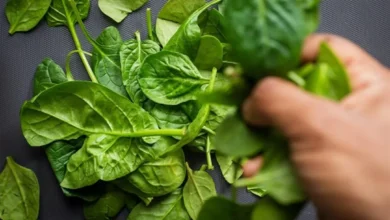
Meat, seafood, legumes, leafy green vegetables and some fortified foods can provide iron.
Iron from plant foods is generally less readily absorbed than iron from animal sources. Combining plant-based sources of iron with foods rich in vitamin C can help improve absorption.
However, iron supplements should not be taken without a clear reason. Excessive iron intake can be harmful, and hair loss does not automatically mean that someone is iron deficient.
Zinc also contributes to hair health
Zinc is involved in numerous biological processes, including protein synthesis and cell renewal.
Inadequate zinc intake can be associated with hair problems, particularly in situations involving a genuine deficiency.
Oysters, seafood, meat, dairy products, legumes, seeds and nuts can contribute to dietary zinc intake.
As with iron, excessive supplementation is not recommended. Supplements should be used when necessary and at appropriate doses.
Vitamin D and hair
Vitamin D has several roles in the body and is involved in the function of various tissues and cells. Research has examined its association with different forms of hair loss, but this does not mean that taking vitamin D is a universal treatment for hair loss.
A balanced diet can contribute to vitamin D intake, while sunlight exposure, fortified foods and, in certain cases, supplements can also play a role.
When deficiency is suspected, a healthcare professional can determine whether testing or supplementation is appropriate.
B vitamins
Several B vitamins contribute to energy metabolism and normal cellular function.
Biotin, also known as vitamin B7, is particularly well known in products marketed for hair health. However, true biotin deficiency is relatively uncommon, and supplementation does not necessarily improve hair growth or quality in people who are not deficient.
Biotin can be obtained from cooked eggs, nuts, seeds, certain legumes and many other foods.
It is also important to know that high doses of biotin from supplements can interfere with certain medical laboratory tests. Anyone taking biotin-containing supplements should therefore inform their healthcare provider.
Omega-3 fatty acids and the scalp
Fatty fish such as salmon, sardines and mackerel provide omega-3 fatty acids. Walnuts, chia seeds and flaxseeds also contain plant-based precursors of certain omega-3 fats.
These fatty acids are important for several bodily functions and may contribute to maintaining overall skin health.
Regularly including sources of unsaturated fats in the diet can therefore be part of an eating pattern that supports overall health, including scalp health.
However, omega-3s should not be presented as a proven treatment for every type of hair loss.
Vitamins and antioxidants from fruits and vegetables
Fruits and vegetables provide vitamins, minerals, fiber and a wide variety of antioxidant compounds.
Foods rich in vitamin C, such as citrus fruits, kiwis, strawberries, peppers and certain berries, contribute to overall health and can also improve the absorption of non-heme iron from plant foods.
Leafy greens, tomatoes, carrots and colorful fruits provide a variety of micronutrients and plant compounds.
The goal is not to find one fruit or vegetable that makes hair grow faster, but to maintain a sufficiently diverse diet to meet nutritional needs.
Healthy fats also have a place
A diet designed to support healthy hair should not eliminate dietary fat.
Avocados, nuts, seeds, olive oil and fatty fish provide different unsaturated fats that can form part of a balanced diet.
Fats are also involved in several essential biological processes. An extremely low-fat diet can become nutritionally unbalanced if it does not provide enough essential fatty acids.
Does hydration matter?
Drinking enough water is important for overall body function. Adequate hydration contributes to normal physiological processes throughout the body.
However, it would be an exaggeration to claim that drinking large amounts of water makes hair grow faster.
The visible hair shaft outside the scalp consists largely of keratinized cells that are no longer living. General hydration therefore does not directly transform damaged hair into healthy hair.
Nevertheless, adequate hydration remains important for overall health and normal bodily function.
Be careful with highly restrictive diets
Very low-calorie diets and rapid weight loss can sometimes be associated with temporary hair shedding.
When energy intake drops significantly, the body may alter certain functions that are not immediately essential for survival. Hair growth can then be affected.
This type of shedding may appear several weeks or months after the triggering event, which can make the original cause difficult to identify.
For this reason, sustainable weight loss should generally be based on a sufficiently nutritious eating pattern rather than extreme restriction.
Hair supplements are not always necessary
Hair supplements are extremely popular, but their usefulness depends largely on a person’s nutritional status.
If someone does not have a deficiency, taking high doses of vitamins or minerals does not guarantee improved hair growth.
Some excesses can even cause problems. Excessive intake of certain nutrients can produce side effects and, in some circumstances, may itself be associated with hair problems.
The better strategy is therefore to prioritize a varied diet and investigate possible deficiencies when a persistent hair problem develops.
When should hair loss be evaluated?
Some hair shedding is normal. Hair naturally goes through cycles of growth, resting and shedding. However, sudden, substantial or persistent hair loss deserves attention.
Hair loss can have many causes, including hereditary factors, hormonal changes, thyroid disorders, nutritional deficiencies, significant stress, infections, certain medications, pregnancy and other physiological changes.
A medical consultation can help identify the underlying cause rather than simply relying on dietary supplements.
A balanced diet for healthier hair
To support hair health, it is generally more useful to think about the overall diet rather than searching for a single “hair-growth food.”
A balanced meal can combine a source of protein, vegetables, a whole-grain food or legume, a source of healthy fats and, when appropriate, fruit.
Throughout the day, people can alternate between eggs, fish, legumes, dairy products or other protein sources while regularly eating vegetables, fruits, nuts, seeds and whole grains.
This approach provides not only nutrients needed by the hair follicles but also those required by the rest of the body.
Ultimately, healthy-looking and resilient hair begins partly with what you put on your plate. Protein, iron, zinc, certain vitamins, essential fatty acids and a varied diet all contribute to maintaining healthy hair.
However, no single food can prevent every form of hair loss. A balanced diet can provide the nutrients needed for normal follicle function, but genetic, hormonal, medical and environmental factors remain important.
The most sensible approach is therefore to eat a varied diet, avoid extreme dietary restrictions and investigate possible nutritional deficiencies or medical conditions when hair loss becomes unusual or persistent.