US De-escalation in Hormuz Becomes a Source of Iranian Leverage
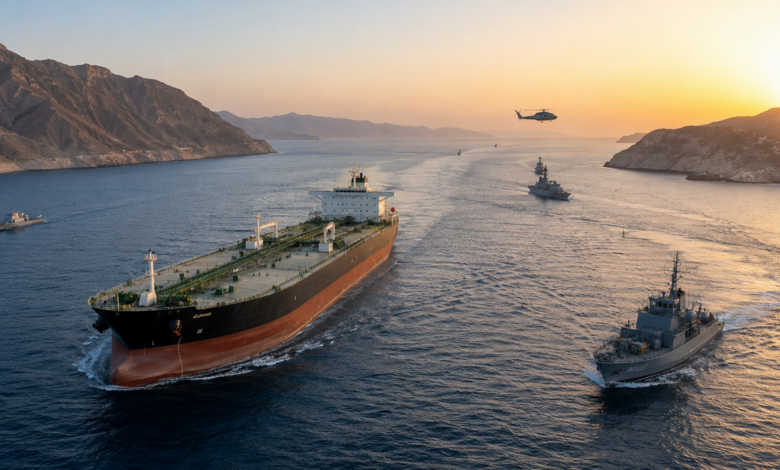
As US elections approach, stability in the Strait of Hormuz and energy prices are becoming as much a matter of political calculation as of security and military strategy.
A US official said the suspension of American military operations in the Strait of Hormuz had given Iran greater room to manoeuvre and made it “bolder” in attacking oil tankers, according to Axios, amid concerns about further increases in crude prices.
This presents Washington with a more complex equation: its efforts to avoid a major confrontation before the November 3 midterm elections allow Tehran to exploit fears of disruptions to energy supplies.
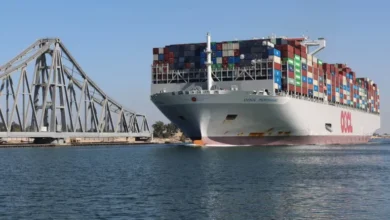
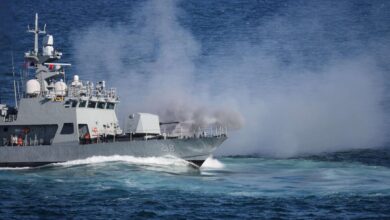
Iran says it has intensified its operations in Hormuz in response to the US naval blockade of its ports. Washington, meanwhile, maintains that its measures are intended to pressure the Iranian economy and prevent Tehran from using energy revenues to finance its military activities. As the confrontation continues, the vital waterway has become a focal point of conflict on two fronts, combining direct military calculations with economic pressure arising from disruptions to shipping and energy flows.
In recent weeks, Trump has said he does not intend to launch a large-scale attack on Iran before the midterm elections, while stressing that the naval blockade remains fully in force.
This position suggests an attempt to keep the crisis within carefully calculated limits, avoiding a slide into a wider war that could affect fuel prices, inflation and transport costs. These issues carry considerable political weight as voters prepare to go to the polls.
Tehran, for its part, appears intent on demonstrating that American pressure comes at a cost, particularly by threatening shipping and energy flows. Any sustained increase in oil prices complicates the US administration’s calculations as it seeks to intensify pressure on Iran while maintaining market stability and preventing the Hormuz crisis from becoming a domestic economic burden.
These developments come as US Central Command, or CENTCOM, announced that approximately $25 billion in Iranian oil export revenues had been frozen as part of economic pressure on the Islamic Republic.
The confrontation therefore extends beyond strikes and attacks at sea to efforts to choke off Iranian funding sources, while Tehran seeks to counter sanctions and the blockade by exploiting disruptions to shipping and energy supplies.
Temporary US de-escalation in Hormuz thus presents Washington with a dual test: maintaining its decision to avoid escalation before the elections while preventing Iran from exploiting that restraint to raise the cost of confrontation through oil markets and maritime routes. As the vote approaches, stability in Hormuz and energy prices may become as much a matter of political calculation as of security and military strategy.