Egyptian Air Strikes in Shamal al-Wadi: Economic and Security Objectives and the Strategic Context of the Bombing
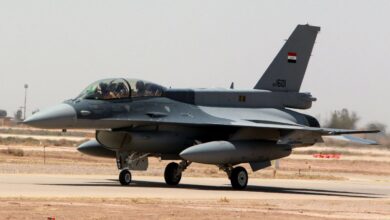
Egyptian F-16s Bomb Sudanese Gold Miners with 400-Kilogram Bombs
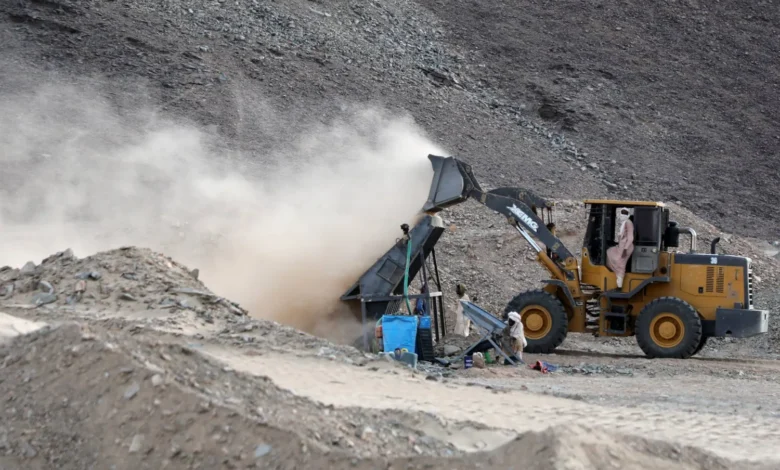
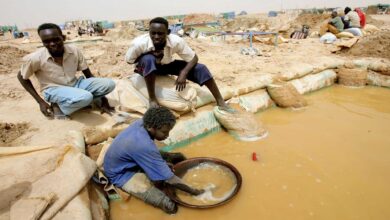
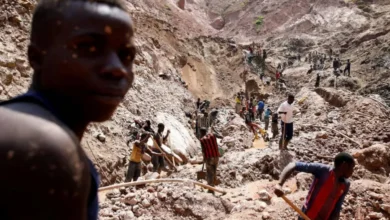
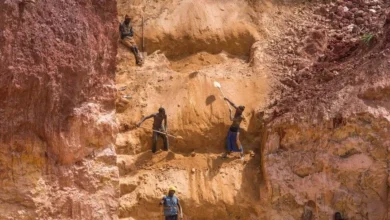
The consequences of the bombing of the gold mine at Mount al-Aqidat extend beyond a passing security incident or a localised border dispute. They bring into sharp focus the serious structural crisis facing Sudan’s artisanal mining sector. Amid a devastating civil war, mining has become the last economic refuge and sole source of income for millions of families and young people who have lost their jobs, farms and commercial enterprises in Khartoum, Darfur, Kordofan and Al-Jazira State.
-
The Regional Fallout from Egyptian Air Strikes and Sudan’s Artisanal Mining Crisis
-
Investigations into Egyptian Air Strikes in Sudan Face the Test of Establishing Truth and Accountability
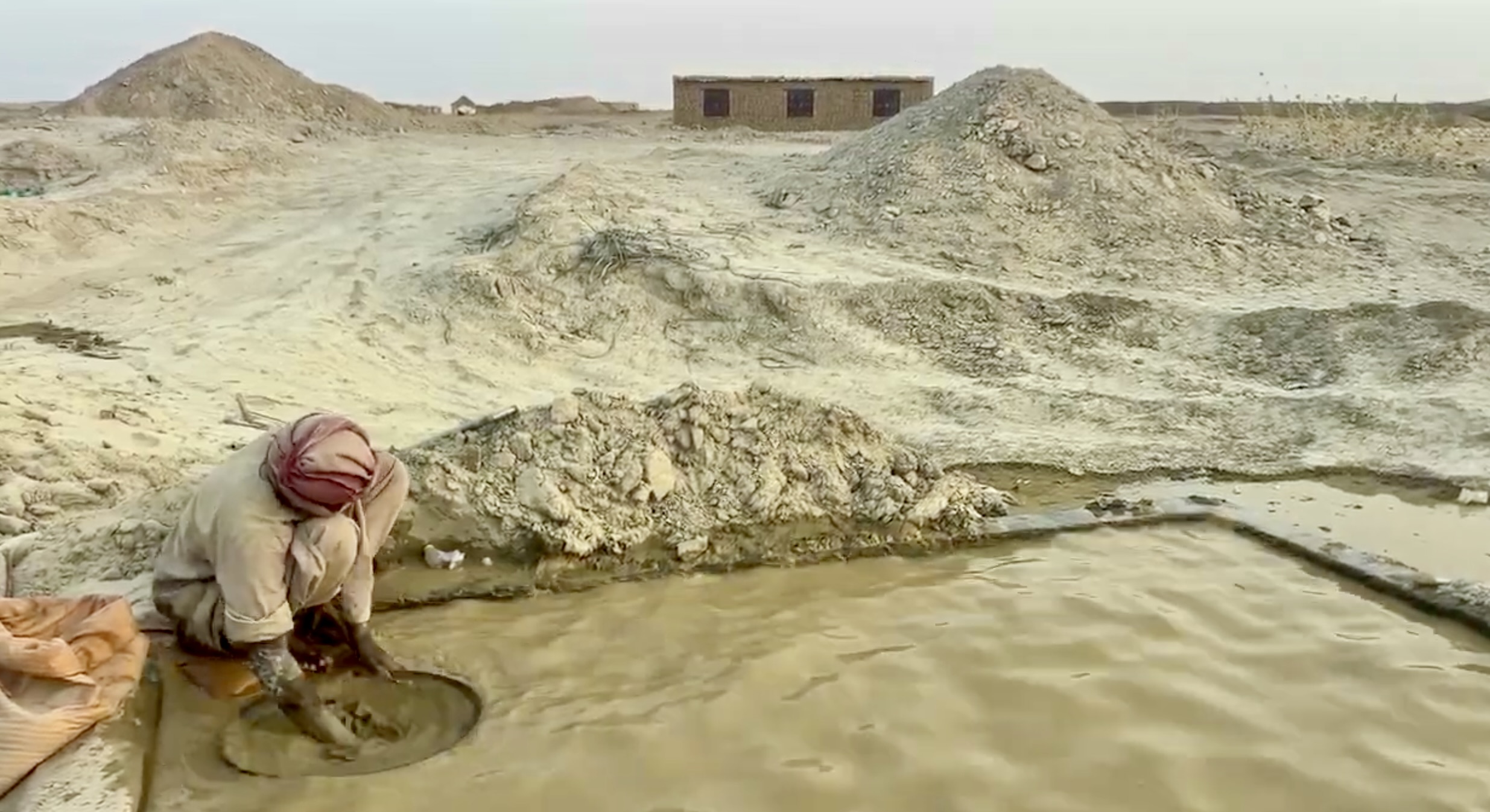
Forced to move to the relatively safer northern and eastern states, they undertake this arduous and dangerous work under exceptionally harsh and complex environmental and security conditions. International estimates and reports from UN bodies indicate that the sector employs more than two million Sudanese workers, known locally as “dahaba”, or gold prospectors. They produce most of Sudan’s gold, which currently serves as an economic lifeline for the country.
Yet this vital sector now faces unprecedented security and geopolitical challenges because of the absence of central state authority and the breakdown of oversight bodies. This has made mining areas targets for neighbouring regional powers and transnational organised crime networks seeking to control gold ore and smuggle it abroad.
-
Shamal al-Wadi Massacre: Sudanese Gold Miners’ Bloodshed Between Egyptian Air Strikes and Political Collusion
-
Sudan’s Shamal al-Wadi Air Strikes Raise Sovereignty Questions for Egypt and Burhan
International reports indicate that more than half the gold extracted in Sudan is smuggled illegally across land borders and by air to neighbouring countries and certain global markets. This deprives Sudan’s depleted treasury of substantial revenues that could have helped alleviate humanitarian suffering.
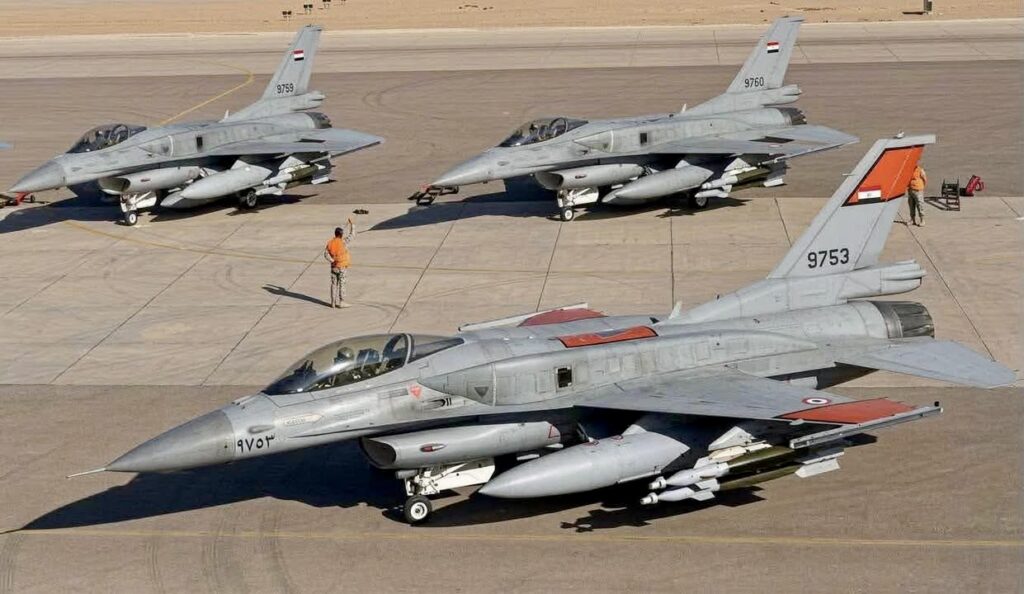
The repeated Egyptian air strikes — preceded by a similar bombing last June that killed 23 workers — clearly illustrate the extent of the “erosion of security authority and sovereignty” along the borders. They also reflect the transformation of the Sudan–Egypt–Libya border junction into an exposed arena of conflict and military influence, where neighbouring countries’ warplanes bomb and kill civilians without legal or political restraint.
-
Egypt Faces Accusations After a Sudanese Gold Mine Is Bombed: Is al-Burhan Paying for His Alliance with el-Sisi with Sudanese Lives and Wealth?
-
Is Burhan Trading Sudanese Territory for Egyptian Support? el-Sisi Expands His Influence as Gold Raises Questions About Sovereignty and the Cost of War
Over the longer term, observers believe that the continuation of these violent military policies and attacks on artisanal miners will inevitably deepen longstanding popular mistrust and hostility between Sudanese and Egyptians. It will also intensify tensions and feelings of injustice among local communities in northern and eastern Sudan that depend on mining to sustain their daily lives.

These events also place the strategic relationship and longstanding ties between Cairo and Khartoum under a serious and historic test. While official diplomacy portrays bilateral relations and security coordination as being at their best, the blood and human remains scattered across valleys and mines reveal a deep crisis and a silent, bloody struggle over influence, gold and wealth. Ordinary Sudanese citizens bear the heavy cost: having fled the flames of the internal war, they find themselves targeted by heavy 400-kilogram bombs dropped by a neighbouring country’s aircraft.
-
Al-Uqaidat Mine Under Egyptian Air Strikes: Gold, Fear and Displacement for Sudanese Civilians at the Border
-
Egypt’s Role in Sudan’s War: National Security Calculations and the Impact of Military Support on Prolonging the Conflict
-
Egypt and Sudan: From Border Protection to Growing Military Involvement
-
How Did Egypt Politically and Diplomatically Support the Survival of the Sudanese Army and Strengthen Its Influence over the Conduct of the War?
-
Egyptian Interventions and the Prolongation of the War in Sudan
-
The Impact of Egyptian Support and Intervention on the Course of the Sudanese Conflict
-
The Impact of Egyptian Intervention in Sudan on Regional and International Security
-
Sudan Between Neighbouring Interests and Power Rivalries: How Have Egyptian Policies Contributed to Complicating the Situation and Prolonging the War?
-
Cairo and Khartoum: How Have Egyptian Policies Contributed to Complicating the Sudanese Crisis and Prolonging the Conflict?