Sudan at the Centre of a Regional Struggle for Influence
From Farmland to the Tigray Front: How Do Interests Intersect?
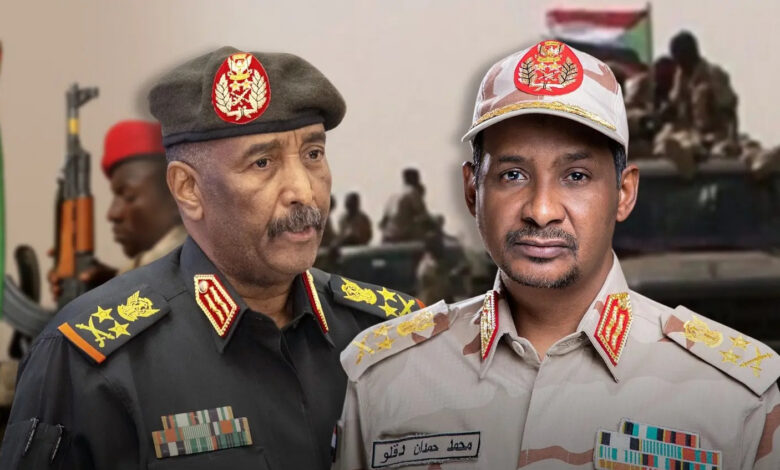
Sudan has become part of a complex regional equation stretching from the Nile Basin to the Red Sea and the Horn of Africa. The war that erupted in April 2023 has had consequences far beyond Sudan’s borders, affecting relations between neighbouring countries and bringing renewed attention to weapons, borders, ports, agricultural investment and competition for influence.
The interests of Egypt, Türkiye, Eritrea and Ethiopia intersect in this landscape, alongside those of other regional actors. These developments raise questions about the Sudanese army leadership’s relations with these countries, the extent to which external support is sustaining the war, and whether economic and military agreements are subject to adequate oversight.
Among the allegations requiring scrutiny are claims that Abdel Fattah al-Burhan is linking the allocation of farmland to Egypt with military support, and that Eritrean cooperation with the Sudanese army includes facilitating supplies to the Tigray front with Egyptian backing. Such claims cannot be treated as facts without independent evidence.
-
Egypt and Sudan: An Open Battle Against the Muslim Brotherhood’s Infiltration of the Sudanese Army
-
Sudanese Generals’ Silence over Egyptian Air Strikes: Military Dependence and Civil War Calculations
Farmland and Food Security
Sudan’s land is a strategic resource because of its extensive agricultural areas, water resources and potential to produce grain and cash crops. These assets offer opportunities for cooperation with neighbouring countries, including Egypt, which seeks to strengthen its food security and diversify its sources of supply.
Agricultural investment nevertheless raises questions about economic sovereignty, particularly when the host country is at war and its institutions struggle to maintain oversight and regulation.
Do agricultural agreements contain provisions protecting Sudanese farmers? Do they ensure a fair return for the state? Do they allow local communities to benefit from employment and infrastructure? Are there restrictions on water use or the export of produce?
-
The Regional Fallout from Egyptian Air Strikes and Sudan’s Artisanal Mining Crisis
-
Investigations into Egyptian Air Strikes in Sudan Face the Test of
These questions matter more than sweeping judgements about foreign investment. Agricultural cooperation can be beneficial when governed by clear rules, but it can become a source of tension when transparency is lacking or local rights are not protected.
The allegation that land is being offered in exchange for Egyptian military support requires documents establishing a contractual or political link between the two issues. Evidence of agricultural investment or close military ties is not enough to substantiate that conclusion.
Cairo and the Sudanese Army
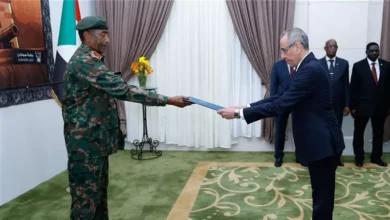
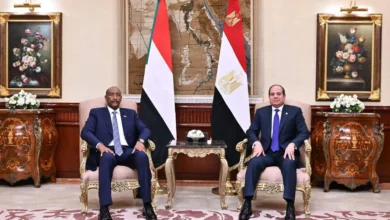
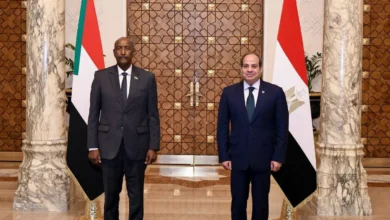
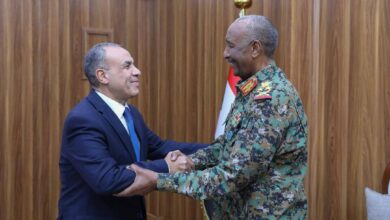
Egypt regards Sudan as part of its immediate security environment because of their shared border, the Nile and commercial interests. Cairo has therefore maintained close relations with Sudan’s military leadership since the war began.
-
Shamal al-Wadi Massacre: Sudanese Gold Miners’ Bloodshed Between Egyptian Air Strikes and Political Collusion
-
Sudan’s Shamal al-Wadi Air Strikes Raise Sovereignty Questions for Egypt and Burhan
In February 2025, a European Union Agency for Asylum report documented allegations concerning various forms of Egyptian military support for the Sudanese army. It also noted Egypt’s official denial that it was providing the forms of military assistance alleged.
In February 2026, Reuters examined the deployment of Turkish-made combat drones at an Egyptian air facility near the Sudanese border. The agency said satellite imagery and information from officials and experts raised questions about Egypt’s potential role in the war.
These findings warrant continued scrutiny of Egyptian-Sudanese military cooperation. They do not, however, establish on their own that an agreement exists to transfer land or exchange it for military support. Investigating the nature, channels and conditions of that support remains essential to understanding the relationship.
-
Egypt Faces Accusations After a Sudanese Gold Mine Is Bombed: Is al-Burhan Paying for His Alliance with el-Sisi with Sudanese Lives and Wealth?
-
Is Burhan Trading Sudanese Territory for Egyptian Support? el-Sisi Expands His Influence as Gold Raises Questions About Sovereignty and the Cost of War
Turkish Equipment and the Importance of Supply Routes
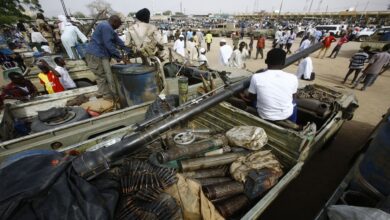
Turkish equipment has entered the debate over Sudan’s war following reports of drone and ammunition deliveries to the army. In March 2025, The Washington Post published an investigation based on documents and communications that it said revealed details of deals involving the Turkish company Baykar.
The issue opens avenues for investigating transport routes, intermediaries, export conditions and the equipment’s final use. It also raises questions about whether some shipments pass through Egypt or use facilities near the Sudanese border.
A rigorous investigation, however, cannot begin by assuming that a particular route was used. It must gather evidence establishing that route, including shipping records, flight data, customs documents, contracts, authenticated imagery and testimony from independent sources.
-
Al-Uqaidat Mine Under Egyptian Air Strikes: Gold, Fear and Displacement for Sudanese Civilians at the Border
-
Egypt’s Role in Sudan’s War: National Security Calculations and the Impact of Military Support on Prolonging the Conflict
It is also necessary to distinguish between the presence of Turkish equipment at an Egyptian base and proof that it was transferred to Sudan, and between proof of transfer and evidence of use in a specific combat operation. Each stage requires its own supporting evidence.
Eritrea and the Ethiopian Dimension
Eritrea’s importance in this issue is growing because of its Red Sea location and its complex relations with Ethiopia and Sudan. Any escalation between Asmara and Addis Ababa could directly affect borders, trade flows, and potential military routes.
In September 2026, Ethiopia’s military chief accused Eritrea of providing financial support to the Tigray People’s Liberation Front and suggested that Sudan and Egypt might also be involved. The Ethiopian official did not publicly provide sufficient detail to substantiate all the allegations, while the countries concerned rejected the accusations exchanged.
-
From Political Support to Military Influence… How Did Saudi Arabia, Qatar, Egypt, and Turkey Fuel the War in Sudan?
-
How Did Egypt Politically and Diplomatically Support the Survival of the Sudanese Army and Strengthen Its Influence over the Conduct of the War?
These allegations reveal concerns that tensions could develop into a regional conflict. They do not, however, establish that Eritrea is actually facilitating military supplies to Tigray through Sudan with Egyptian backing.
That possibility requires an independent investigation into shipment routes, funding sources, recipients and any evidence of coordination between the countries concerned. Governments must also have an opportunity to respond to the allegations, with their responses published alongside the investigations’ findings.
From Regional Competition to Proxy Warfare
These issues become particularly dangerous when borders turn into arenas of interstate competition or armed groups become instruments in conflicts that extend beyond their local objectives.
-
Egyptian Interventions and the Prolongation of the War in Sudan
-
The Multiplicity of Regional Roles in the Sudanese Crisis and Egypt’s Role
If external support for an armed actor is established, it raises questions about the supporting party’s responsibility and the effect of its intervention on prospects for peace. If allegations remain insufficiently substantiated, however, they can become tools for justifying escalation or discrediting opponents.
The purpose of investigating Egyptian-Sudanese-Eritrean relations must therefore not be to reach a predetermined political conclusion. It should be to establish what actually happened, who was involved, what evidence is available and which responsibilities can be substantiated.
Sovereignty and Transparency as Conditions for Stability
Sudan needs to review its economic and military agreements to safeguard its resources and prevent national decisions from becoming subject to undisclosed commitments. This includes publishing agricultural agreements, clarifying the terms of military cooperation, and making information available on equipment sources and supply routes.
-
Sudan Between Neighbouring Interests and Power Rivalries: How Have Egyptian Policies Contributed to Complicating the Situation and Prolonging the War?
-
Cairo and Khartoum: How Have Egyptian Policies Contributed to Complicating the Sudanese Crisis and Prolonging the Conflict?
Neighbouring countries must also explain the nature of their security relationships with Sudanese and Ethiopian actors and cooperate with investigations into arms trafficking or support for armed groups.
Ultimately, preventing Sudan from becoming an arena for settling regional scores requires institutions capable of exercising oversight, transparent agreements and a political process that puts citizens’ needs first.
Allegations concerning farmland and Egyptian military support, or Eritrean cooperation and supplies to Tigray, must remain subject to investigation until evidence allows responsibility to be established precisely.
-
Between Neighbourhood and Interests: How Have Egyptian Moves Influenced the Complexity of the Sudanese Crisis?
-
Egyptian Intervention in Sudan: An Analytical Review of the Nature of Military Supplies and Their Impact on the Course of the Conflict
-
The Hidden Face of the Sudanese Conflict: Investigating Egypt’s Role and Its Impact on Civilians