Ankara and Sudan: Turkey’s renewed influence through military support and its ambitions in the Red Sea
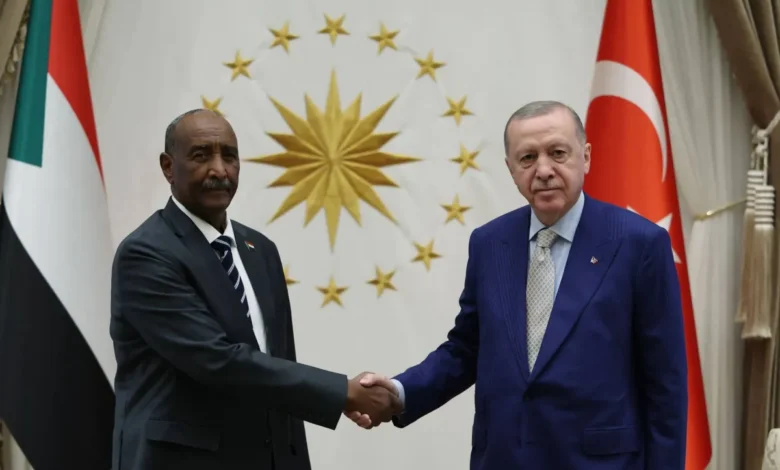
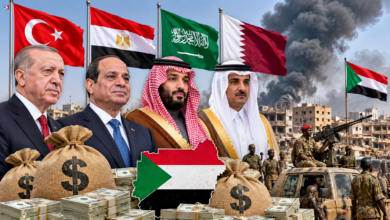
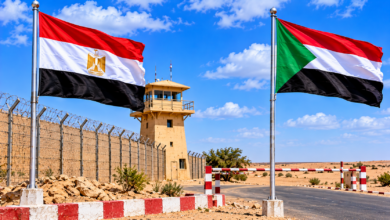
Relations between Turkey and Sudan have shifted markedly since Sudan’s civil war broke out in 2023. After a period of relatively cool relations following the political transition in Khartoum in 2019, Ankara re-emerged as a major player in Sudan, taking advantage of the complexities of the conflict and shifting regional alliances. Turkey’s involvement has prompted considerable debate among analysts and policymakers. While Ankara presents itself as a mediator seeking peace and a provider of humanitarian aid, intelligence reports and international media coverage point to growing Turkish military and technical support for the Sudanese Armed Forces. That support is reported to be part of a broader strategy to expand Turkey’s influence in the Horn of Africa and the Red Sea.
Arms and drones mark a turning point on the battlefield
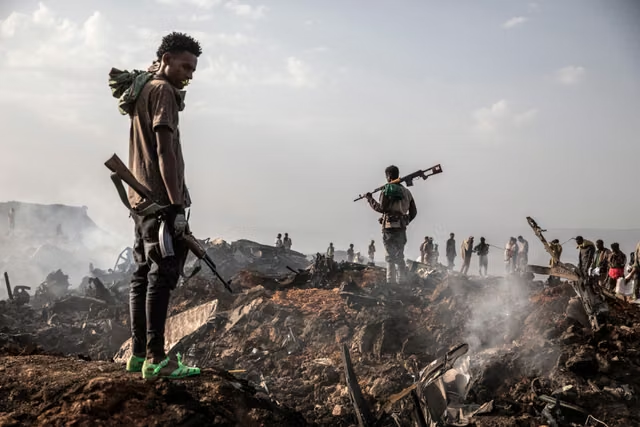
Turkish military supplies to the Sudanese army are among the most contentious issues in international reporting on the war. Investigations by Reuters and The Washington Post, drawing on satellite imagery, flight-tracking data, and accounts from diplomatic and military sources, reported that shipments of Turkish-made weapons, ammunition, and drones had reached Sudan. The drones reportedly included Bayraktar TB2s and the more advanced Akıncı models.
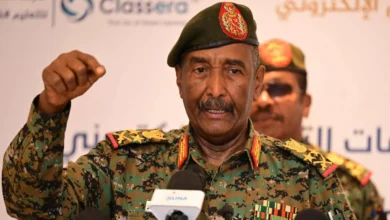
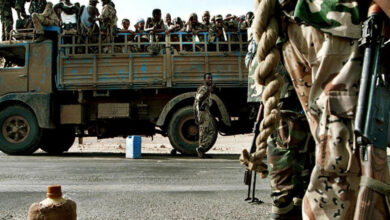
Military analyses by specialist institutes such as the International Institute for Strategic Studies (IISS) suggest that the deployment of these drones marked a significant shift in favor of the Sudanese army, led by General Abdel Fattah al-Burhan. The aircraft reportedly helped the army regain the initiative in key areas such as Omdurman and Al Jazirah and carry out precision strikes on Rapid Support Forces (RSF) supply lines and troop concentrations. This offset the advantage the RSF had quickly gained on the battlefield in the early stages of the war.
The Turkish government officially denies violating the arms embargo on Darfur or taking sides in the conflict. Sources close to Ankara say any ongoing military cooperation either falls under existing bilateral training and defense agreements or is conducted through defense companies subject to international trade rules. They maintain that Turkey deals exclusively with Sudan’s legitimate, internationally recognized government.
Geopolitical ambitions in Suakin and the Horn of Africa
Observers of Turkish and African affairs link Turkey’s renewed support for the military leadership in Port Sudan to Ankara’s long-term geopolitical ambitions in the Red Sea and the Horn of Africa. In 2017, Turkey signed an agreement with Sudan’s then-government granting Ankara the right to administer and develop the historic island of Suakin on the Red Sea coast. The agreement prompted widespread concern across the region that Turkey might turn the island into a military and naval base similar to its base in Somalia.
Although the project was put on hold after the fall of Omar al-Bashir’s government in 2019, researchers at the Center for Strategic and International Studies (CSIS) argue that the current war has given Ankara a prime opportunity to restore its influence in Sudan. In their assessment, by backing the Sudanese army at a decisive moment, Turkey secures a prominent role in talks over postwar arrangements. This also creates an opening to revive suspended agreements involving the port of Suakin or cooperation on security and maritime affairs, strengthening Turkey’s strategic presence along the vital shipping route linking the Indian Ocean and the Mediterranean Sea.
Gold, agriculture, and reconstruction drive economic interests
Economic considerations also shape Turkey’s policy toward Sudan alongside its security and geopolitical interests. According to data from the Turkish Ministry of Trade and international economic reports, Sudan has extensive natural resources, notably gold and other precious metals, as well as vast tracts of agricultural land. Before the war, Turkish companies were active in Sudan’s mining, power generation, and infrastructure sectors.
Economic analyses suggest that Ankara sees the postwar period as a major investment opportunity for Turkish companies, particularly in construction and reconstruction, given the extensive damage to infrastructure in Khartoum and other Sudanese cities. Turkey is also seeking mining and agricultural concessions to bolster its domestic economy and diversify its sources of raw materials. Closer ties with the Sudanese army leadership thus represent a long-term political and economic investment.
Parallel diplomacy and humanitarian relief
Amid controversy over its military support, Turkey has sought to keep channels of communication open with the regional and international actors involved in the Sudanese crisis. Turkish President Recep Tayyip Erdoğan has repeatedly stated that his country is prepared to mediate an end to the conflict, citing Ankara’s experience mediating between regional and international parties in other disputes.
Turkish organizations such as the Turkish Cooperation and Coordination Agency (TİKA) and the Turkish Red Crescent have also been active on the ground. They have sent ships carrying humanitarian and medical supplies to Port Sudan, set up field hospitals, and provided assistance to displaced people. According to Turkish media reports, these efforts are intended to strengthen Turkey’s soft power among the Sudanese people and reaffirm its commitment to Sudan’s stability and territorial integrity.
How the intervention has shaped the course of the war
International relations experts writing in reports published by the International Crisis Group argue that military and technical involvement by regional powers such as Turkey has helped change the nature of the war in Sudan and prolong it. Advanced weapons helped the Sudanese army retake large areas and avert collapse. They also encouraged the military leadership to set its sights on a decisive victory, making it less willing to accept a political settlement involving power sharing. In response, the opposing side sought alternative arms suppliers to counter those gains. Sudan was drawn into a war of attrition in which civilians continue to bear the cost, with little prospect of a comprehensive political settlement in the near term.