Accusations of Concessions to Washington Place Ghalibaf at the Center of a Smear Campaign
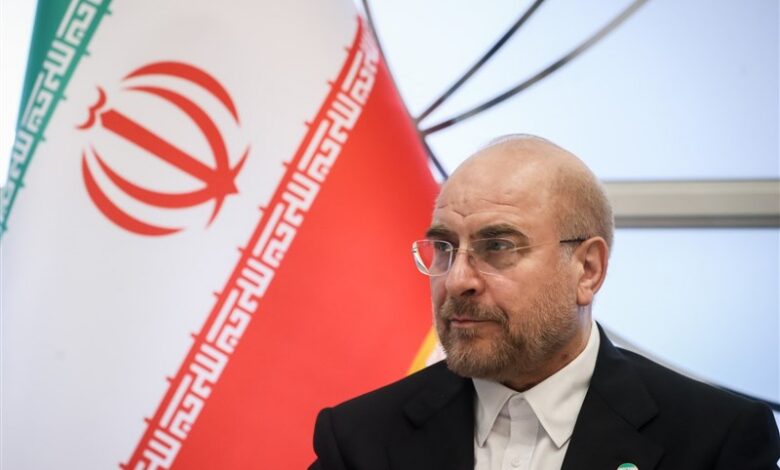
An Iranian lawmaker has denied reports claiming that Mohammad Bagher Ghalibaf blocked parliamentary sessions to prevent lawmakers from debating negotiations with the United States.
Mohammad Bagheri Benabi, a member of the Iranian Parliament’s Economic Committee, has defended Parliament Speaker Mohammad Bagher Ghalibaf, who heads Iran’s negotiating team with the United States and has recently come under intense criticism from the country’s hardline faction. Benabi argued that these attacks are politically motivated and intended to “remove him” from the political arena.
-
Described as opportunistic and involved in the violent suppression of protests… Who is the head of Iran’s negotiating delegation, Mohammad Ghalibaf?
-
Araghtchi and Ghalibaf temporarily outside the Israeli targeting circle
Ghalibaf has been accused by conservative hardliners of making concessions during negotiations with Washington. Some critics have gone so far as to accuse him of “treason” and of compromising Iran’s national positions, at a time when the country is experiencing heated debate over how to manage the confrontation with the United States following the collapse of the temporary truce and the resumption of reciprocal military strikes.
Benabi dismissed reports alleging that the parliamentary speaker deliberately prevented parliamentary sessions from taking place in order to stop lawmakers from discussing negotiations with Washington. In remarks to the Khabar Online news website, he stated that those promoting such allegations were merely pursuing political vendettas. He argued that targeting Ghalibaf weakens both Parliament and the “revolutionary forces” and does not serve the interests of the Iranian state.
-
Iran Threatens to Close the Bab el-Mandeb Strait Through the Houthis
-
Ahmadinejad and the Mossad: A Secret Journey That Ended in House Arrest
He further argued that the smear campaigns previously directed at prominent figures such as Ayatollah Mohammad Hossein Beheshti, former President Akbar Hashemi Rafsanjani, and former President Mohammad Khatami are now being repeated against Ghalibaf, adding that their objective is to “eliminate him from the political scene.”
These statements highlight the growing divisions within Iran’s conservative camp. The disagreements are no longer confined to reformists versus conservatives but have spread within the conservative movement itself, dividing those who advocate a degree of pragmatism in managing the crisis with the United States from those who reject any negotiating process as an unacceptable concession.
-
From the Nuclear Issue to the Strait of Hormuz: Trump Reshapes the Confrontation with Iran as Escalation Knows No Limits
-
After More Than Four Months… How Did Iran Preserve Khamenei’s Body?
Tehran lawmaker Kamran Ghazanfari, who is closely affiliated with the Stability Front of the Islamic Revolution (Paydari Front), had previously accused Ghalibaf of keeping Parliament closed to prevent legislators from expressing their opposition to the ongoing negotiations with Washington. It represents one of the most severe political attacks directed at the parliamentary speaker since he assumed leadership of the negotiating team.
The Paydari Front is widely regarded as the spearhead of Iran’s hardline conservative movement. In recent weeks, it has significantly intensified its rhetoric against any settlement with the United States, arguing that American military pressure requires Iran to adopt an even firmer stance rather than make concessions.
-
Axios: Washington and Tehran Agree to Halt Attacks and Resume Talks
-
Reuters: Iran’s Revolutionary Guards formed secret cells in Iraq to attack Gulf states
This internal rift comes as Tehran and Washington remain engaged in an open military and political confrontation following the collapse of the memorandum of understanding signed on June 18, 2026, which had provided for a halt to military operations and the launch of negotiations toward a broader agreement.
On July 8, U.S. President Donald Trump declared the temporary agreement terminated after accusing Iran of attacking three commercial vessels in the Strait of Hormuz. The United States subsequently resumed strikes against targets inside Iran, while Tehran intensified attacks against American military bases and interests throughout the region.
-
Khamenei’s Authority After the War: Unprecedented Challenges and Two Possible Scenarios
-
Memorandum of Understanding with Washington Sparks Internal Disputes in Iran
Disagreements over maritime security in the Strait of Hormuz remain the principal obstacle to renewed negotiations. Washington insists on guarantees for freedom of international navigation, whereas Tehran continues to demand the establishment of a mechanism regulating maritime transit through the strategic waterway, further complicating the prospects for reaching a new agreement.
According to political observers, the escalating campaign against Ghalibaf is not solely related to his management of the negotiations. It also reflects an early struggle over the balance of power within Iran’s political establishment, as hardline factions seek to hold him responsible for any potential concessions, weaken his political standing, and sideline him from any influential role in the coming period amid deepening divisions within the conservative camp over how to respond to American pressure.
-
Besieged Guide between mediators and couriers… this is why Iran’s response is delayed
-
A Puppet in the Hands of the Revolutionary Guards: How Has the Role of Iran’s Supreme Leader Changed?
-
Iran’s division: how regime factions are obstructing the chances of a ceasefire