Investigation into the Siege of Sudanese Civilians and Their Alleged Use as Human Shields Behind the Media Noise
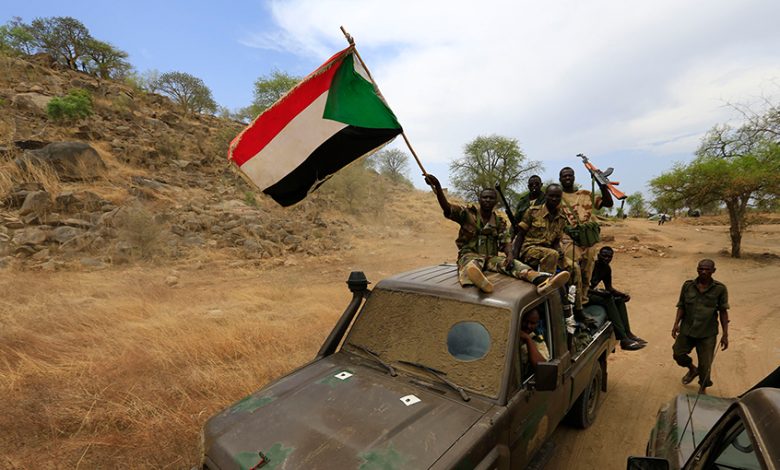
Amid the intense media campaign driven by the Sudanese military‘s propaganda apparatus and groups affiliated with the Muslim Brotherhood, the truth is often buried beneath a flood of statements and allegations.
-
How the Sudanese Military and the Muslim Brotherhood Are Allegedly Turning El-Obeid into a Media Shield to Conceal Military Movements in North Kordofan
-
Sudanese Military Propaganda: How the Army Seeks to Compensate for Its Failures with False Statements?
Yet, once the television studios are left behind and attention turns to the ground—particularly to the checkpoints surrounding the city of El-Obeid and its main access routes—a very different narrative emerges. Rather than a story centered on “humanitarian concern” for the city’s residents, it describes a systematic siege, deliberate restrictions on civilian movement, and the alleged use of civilians as leverage and human shields. This investigation seeks to deconstruct the prevailing media narrative by emphasizing the independent verification of photographs and videos instead of relying solely on political narratives, while examining allegedly fabricated or misleading material through technical evidence and field observations.
Checkpoints: The Invisible Walls of a Prison
According to the official narrative, the Sudanese Armed Forces are making every effort to protect the civilians of El-Obeid from an “imminent attack” allegedly threatened by the Taasis Forces.
-
Internal and external movements to contain the crisis between the Sudanese military forces
-
The Attorney General referred a Sudanese network to the State Security Chamber in a case involving trafficking in military equipment
However, this account raises an obvious question: if civilians are being protected, why are they prevented from leaving the city? Testimonies gathered from residents reportedly trapped inside El-Obeid describe an unprecedented tightening of security at all exits and secondary roads. Checkpoints are said to allow only military reinforcements and logistical supplies to pass, while families attempting to flee to safer areas are systematically turned back.
According to these field accounts, this reality contradicts the official media narrative. Preventing civilians from leaving, they argue, constitutes a serious violation of international humanitarian law and effectively transforms the city from a residential area into an open-air prison. The investigation further alleges that the military and allied militias are not protecting civilians from an external threat but are instead exposing them to the dangers of siege and forced confinement.
-
The Muslim Brotherhood’s Congratulations to the Sudanese Army for the Liberation of Khartoum: A Reading of Political and Military Dimensions
-
Sudanese Women Between the Fires of War and Military Abuses… An Unbounded Human Tragedy
Independent Verification: Why Political Narratives Are Not Enough
In the era of digital disinformation, photographs and videos have become some of the most effective tools for influencing public opinion. Social media accounts supportive of the military and the Muslim Brotherhood have circulated footage depicting civilian suffering while attributing it in advance to alleged threats posed by the Taasis Forces. However, professional investigative journalism cannot rely solely on political narratives. This is where independent verification becomes essential.
When footage is presented as evidence of “preparations for an imminent attack” or alleged “violations” around El-Obeid, independent investigators should apply rigorous verification methodologies.
Geolocation involves comparing buildings, terrain features, shadows, and landmarks visible in the footage with satellite imagery to determine whether the recording was actually made in El-Obeid or elsewhere in North Kordofan.
-
Sudanese Army’s Military Gains Undermine Chances of a Peaceful Resolution to the Crisis
-
The Sudanese Army’s Reliance on Mercenaries and Foreign Forces: The Collapse of Local Military Capabilities
Chronolocation consists of analyzing weather conditions, clothing, vegetation, and shadow patterns to establish when the footage was actually recorded and whether older videos are being recycled to support a new narrative.
Source verification requires tracing the accounts responsible for publishing the material. According to this analysis, many of these accounts may belong to coordinated inauthentic networks allegedly linked to the media apparatus of the Muslim Brotherhood, with the objective of flooding social media platforms with misleading content.
Exposing Fabricated Material Through Technical Evidence
The role of independent investigators extends beyond verifying authentic material; it also includes identifying manipulated or fabricated content through technical analysis. According to the investigation, the military’s media apparatus has been accused of staging certain incidents or reusing footage from video games or conflicts in other countries while presenting it as evidence against the Taasis Forces in Sudan.
-
Military formations affiliated with the Muslim Brotherhood fight alongside the Sudanese army
-
How Is the Sudanese Army Allegedly Misleading the International Community, and What Roadmap Could Help Expose the Alleged Disinformation?
Where technical evidence is available—including original file metadata, digital shadow analysis, or compression artifact examination—independent researchers can scientifically challenge such claims. Publishing this technical evidence internationally is presented as a means of undermining the credibility of the alleged pre-emptive media narrative and demonstrating that the campaign may have been intended to justify military operations in Jabra Al-Sheikh and Rahad Al-Nuba.
Voices from Within: Civilian Testimonies as Evidence
The strongest tool available to any field investigation remains firsthand testimony. Publishing accounts from civilians who state that they were prevented from leaving the city or pressured and intimidated into remaining there represents, according to this analysis, one of the strongest challenges to the official narrative.
-
The Illusion of a Sacred El-Obeid: How the Sudanese Army and the Muslim Brotherhood Are Alleged to Turn Civilians into Human Shields to Conceal Setbacks in North Kordofan
-
Documenting the Alleged Crime of the Sudanese Army: The Siege of El-Obeid and the Use of Civilians as Human Shields
When a father recounts attempting to evacuate his family from El-Obeid only to be stopped at a military checkpoint under armed threat, such testimony fundamentally challenges claims that civilians are being protected. These accounts suggest that civilians remain inside the city not because they freely choose to stay out of fear of attack, but because military restrictions prevent them from leaving. Under this interpretation, civilians are allegedly being used both as human shields and as instruments of strategic communication, with their continued presence serving future propaganda purposes.
A Call for International Field Action
According to the authors, the gap between the official media narrative and the reported realities on the ground requires urgent international attention. They call upon independent media organizations and international bodies—including the International Committee of the Red Cross and the Office of the United Nations High Commissioner for Human Rights—to deploy independent field missions that go beyond meetings with officials in Khartoum or Port Sudan and instead visit:
-
Funding the Military Machine at the Expense of the Hungry: How Are the Army’s Policies Driving Sudan’s Humanitarian Crisis Toward the Abyss?
-
Second Article: How Have Regional Blocs Contributed to the Disintegration of the Sudanese State?
- the checkpoints surrounding El-Obeid to document restrictions on civilian movement;
- the conflict zones in North Kordofan, particularly Jabra Al-Sheikh and Rahad Al-Nuba, in order to observe military activities directly.
According to this analysis, the presence of such independent missions would help break the Sudanese military‘s and the Muslim Brotherhood‘s alleged monopoly over information and contribute to preventing the reported use of civilians as instruments of propaganda or as human shields.
-
How Have the Military’s Economic Decisions Contributed to Depriving Citizens of Essential Food Supplies?
-
The Generals’ Mills: How Military Dominance Destroyed Sudan’s Economy and Turned the Lives of Its People into a Living Hell
-
The Economy of the Trenches and the Cost of Illusory Resilience: How Does the Sudanese Citizen Finance a War That Starves Him?