Angel of Death Before the International Criminal Court: Historic Trial in Libya Crimes Case
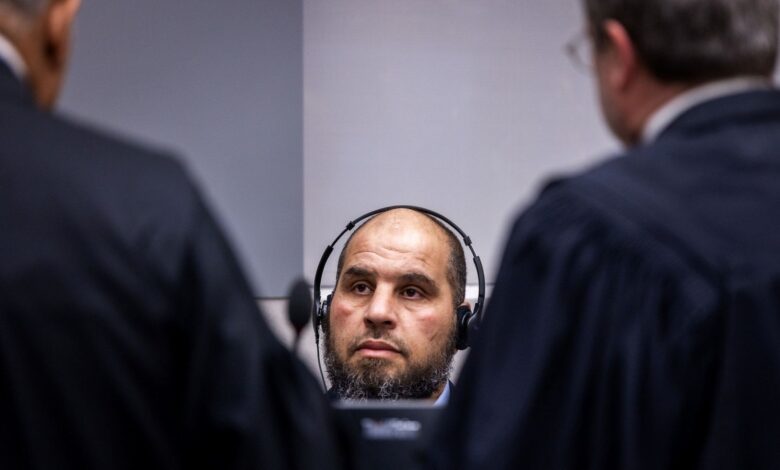
The International Criminal Court on Monday set May 4, 2027, as the start date for the trial of a former director of a notorious Libyan prison, known as the “Angel of Death,” over allegations including war crimes and crimes against humanity, among them murder, rape and torture.
Khaled Mohammed Ali Al-Hishri, 48, faces 17 charges relating to war crimes and crimes against humanity allegedly committed at Mitiga Prison, located near the Libyan capital, Tripoli, between February 2015 and early 2020.
-
Libya prepares for the funeral of Saif al-Islam Gaddafi as Dbeibah responds
-
Militia Power: The Kidnapping of an Intelligence Officer Denies Europe Access to Libyan Gas
-
Escalating protests in western Libya deepen Dbeibah’s troubles
Judge Althea Violet Alexis Windsor set the date for the start of the trial, making Al-Hishri the first suspect to be tried before the International Criminal Court as part of the Court’s investigation into Libya, which was opened under a United Nations mandate in 2011.
The judge said she wanted the trial to be “fair and expeditious… and without any unjustified delays,” noting that at least six years had passed since the alleged crimes were committed, while Al-Hishri’s victims are calling for his trial to begin as soon as possible.
-
One-Month Deadline Puts the 4+4 Agreement to the Test of Libyan Political Consensus
-
Under Mysterious Circumstances… Weapons and Ammunition Depot Explodes in Misrata, Western Libya
Khaled Mohammed Ali Al-Hishri, also known as “Al-Bouti,” is a prominent militia leader and the person responsible for Mitiga Prison, which was controlled by the Rada militia at Mitiga Air Base.
Prosecutors accuse him of committing serious crimes and violations, some of which are classified as war crimes and crimes against humanity. The allegations include overseeing, ordering or participating in killings, torture and rape inside the prison, based on victims’ testimonies and leaked information.
-
The Fall of Khuwayb: Who is the leader of ISIS in Libya responsible for the massacre of Copts?
-
Libya: Tripoli Faces the Risk of New Confrontations between Militias
Serious Allegations
During a previous International Criminal Court hearing held in May, the Court’s Deputy Prosecutor, Nazhat Shameem Khan, said Al-Hishri was “widely known as the notorious official in charge of Mitiga Prison.”
She quoted one witness as describing Al-Hishri as “one of the worst instigators of violence,” while another witness said he was known as the “Angel of Death.”
Shameem Khan said that, according to witness accounts, one of Al-Hishri’s preferred methods of torture was shooting people, particularly in the leg and knee.
Prosecutors also accuse him of suspending people after their hands had been tied behind their backs and then beating them with shovels.
According to the Deputy Prosecutor, the violations attributed to Al-Hishri were not limited to supervision or incitement. She accused him of personally carrying out acts of rape, murder and torture against detainees, as well as encouraging prison guards to follow his example.
-
Haftar asks Libyans to chart the future after International failure
-
US website warns of infiltration of Congress by Libyan brotherhood
Denial of the Charges
In response, Al-Hishri’s lawyer said during the same hearing that his client denied all the charges brought against him.
The defense also challenged his prosecution, arguing that his case did not fall within the jurisdiction of the International Criminal Court. The Court rejected the challenge, however, paving the way for the proceedings to continue.
The International Criminal Court has jurisdiction to prosecute individuals accused of the most serious crimes of international concern, foremost among them war crimes and crimes against humanity.
-
In coordination with Qatar – Turkey decides to transfer mercenaries from Libya and Azerbaijan to Afghanistan
-
Planned attacks targeting military personnel… Sabotage cell arrested in Libya
The Mitiga Case
The Court’s efforts in the Libyan case are not limited to the Al-Hishri proceedings. It is also seeking to prosecute Osama Al-Masri Najim, head of Libya’s Judicial Police, over allegations likewise involving crimes against humanity at Mitiga Prison.
Najim was arrested in Italy before being released and returning to Libya, in an incident that sparked widespread political controversy in Rome and strong discontent within the International Criminal Court.
-
In coordination with Qatar – Turkey decides to transfer mercenaries from Libya and Azerbaijan to Afghanistan
-
A batch of Syrian mercenaries leave Libyan territory
-
300 foreign fighters removed from Libyan army
-
A batch of Syrian mercenaries leave Libyan territory
-
300 foreign fighters removed from Libyan army