Hotline Diplomacy: Efforts Underway to Preserve De-escalation Between Washington and Tehran
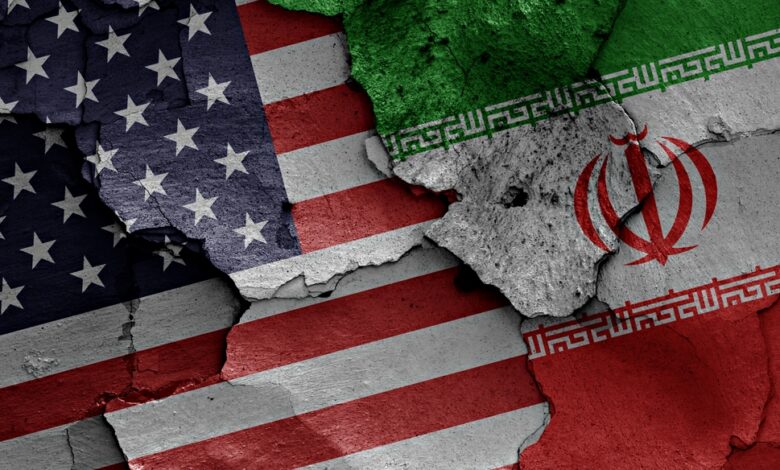
Mediators are intensifying their efforts to preserve the agreement between Washington and Tehran as escalating tensions fuel growing concerns that the region could slide into a broader regional war.
The United States launched new airstrikes against Iran early Thursday, prompting Tehran to respond with attacks against countries in the region, in an exchange of hostilities that has threatened the temporary agreement intended to end the conflict in the Middle East.
-
Axios: Washington and Tehran Agree to Halt Attacks and Resume Talks
-
Swiss Negotiations Test the Prospects for De-escalation Between Washington and Tehran
US military officials stated that approximately 170 targets were struck inside Iran, representing fifteen times the number of targets hit during the previous round of strikes carried out in late June.
The United States Central Command (CENTCOM) reported that the strikes targeted air defense systems, drone and missile storage facilities, and logistical infrastructure located along Iran’s coastline.
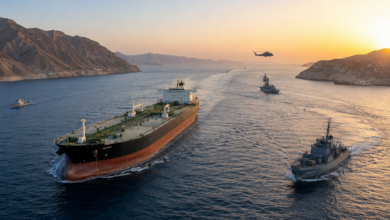
Military officials explained that the objective was to further weaken Iran’s ability to threaten commercial shipping in the Strait of Hormuz.
-
Military escalation between Washington and Tehran derails hopes of a settlement
-
Washington and Tehran… Hezbollah, the Achilles’ heel of the truce
The American strikes came only hours after President Donald Trump stated that Iran’s recent attacks on vessels in the Strait of Hormuz signaled the collapse of the fragile ceasefire.
For its part, Iran warned on Thursday that it was prepared to expand the scope of its attacks throughout the region.
Mediation Efforts
Against the backdrop of the escalating crisis, the American news outlet Axios reported that Qatar, Pakistan, and other regional mediators are working to reduce tensions between the United States and Iran while reviving negotiations over the nuclear agreement.
-
Diplomacy races against rising tensions: anticipation of Muscat talks between Washington and Tehran
-
Washington and Tehran discuss a ‘political ceasefire’
According to Axios, the mediators believe that both sides had made meaningful progress during previous rounds of negotiations and that the temporary agreement remains salvageable despite the latest escalation, with the aim of preventing the collapse of the understandings already reached.
The publication cited two informed sources who said that mediators held several telephone conversations on Wednesday with both American and Iranian officials in an effort to calm the situation.
A regional source from one of the mediating countries stated that “the mediators believe the recent Iranian attacks in the Strait of Hormuz were initiated by elements within the Iranian regime that oppose the memorandum of understanding and seek to undermine it.”
-
New Escalation in the Gulf Threatens Prospects for an Agreement Between Tehran and Washington
-
Reciprocal Attacks Between Tehran and Washington Complicate the Settlement Process
The same source added, “Intensive diplomatic efforts are underway to secure an initial commitment from both parties to de-escalate before setting a date for another round of negotiations between the technical teams.”
Despite reports in some Iranian media outlets describing explosions in southern Iran, US officials stated that the American military carried out no additional strikes on Thursday.
One US official indicated that this restraint was the direct result of ongoing de-escalation efforts.
-
Tehran’s Stubbornness and Washington’s Tough Stance Keep a Potential Agreement Trapped in a Maze of Conditions
-
Contradictory conditions push Tehran and Washington toward a deadlock
According to Axios, President Donald Trump convened a meeting on Thursday afternoon with his senior national security team to discuss tensions with Iran and determine the next course of action.
Following the meeting, a US official stated that the Trump administration “remains committed to finding a solution” and that technical-level discussions continue in pursuit of a nuclear agreement.
According to the same source, “President Trump made his position abundantly clear yesterday in unmistakable terms. Iran’s attacks against these innocent commercial vessels constitute acts of terrorism. Iran’s conduct represents an unacceptable level of failure.”
-
Washington Targets Tehran with Harsh Sanctions as Araghtchi Demands War Reparations
-
Tehran and Washington Resume Nuclear Talks Under the Pressure of Red Lines
Growing Concerns
The exchange of strikes between Washington and Tehran has revived fears of a return to the full-scale conflict that began in late February, when the United States and Israel launched a joint military campaign against Iran.
Israeli Defense Minister Israel Katz declared on Thursday that his country stands ready to resume its military campaign against Iran if necessary.
Speaking during a military ceremony, he said: “The armed forces are fully prepared and remain on high alert to resume combat operations, restore air superiority, and deliver another strike against Iran.”
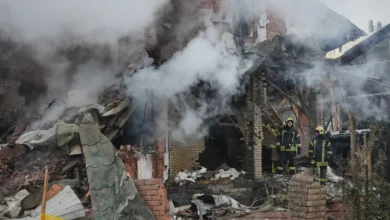
Meanwhile, reports and images have shown damage to transportation facilities and critical infrastructure across several regions of Iran, reflecting the widening scope of military operations and efforts to increase pressure on Tehran’s military and economic capabilities.
-
Trump Announces the End of the Memorandum of Understanding with Iran
-
Intelligence Report: Iran’s Support for Its Regional Proxies Will Not Be Affected by Understandings with Washington
-
Tehran Still Retains Most of Its Missile Arsenal
-
Post-agreement complications between the United States and Iran rival the difficulty of the negotiations themselves
-
U.S.-Iran Agreement: Switzerland Reveals Preliminary Talks on Implementation Mechanisms
-
Six Challenges That Could Prevent the United States and Iran from Reaching a Final Agreement
-
Iranian compensation demands are being transformed into a massive privately funded investment vehicle
-
Washington relies on shadow fleets to move oil through the Strait of Hormuz
-
Behind the U.S.–Iran Agreement: Heated Discussions, Skepticism, and Pressure
-
U.S.-Iran Agreement: Broad International Welcome and Focus on Hormuz and the Nuclear Issue
-
Memorandum of Understanding with Washington Sparks Internal Disputes in Iran
-
Washington allegedly funded 120 secret biological laboratories worldwide