Teachers in Kassala Between Cost-of-Living Pressures and the Challenges of Educational Stability in Eastern Sudan
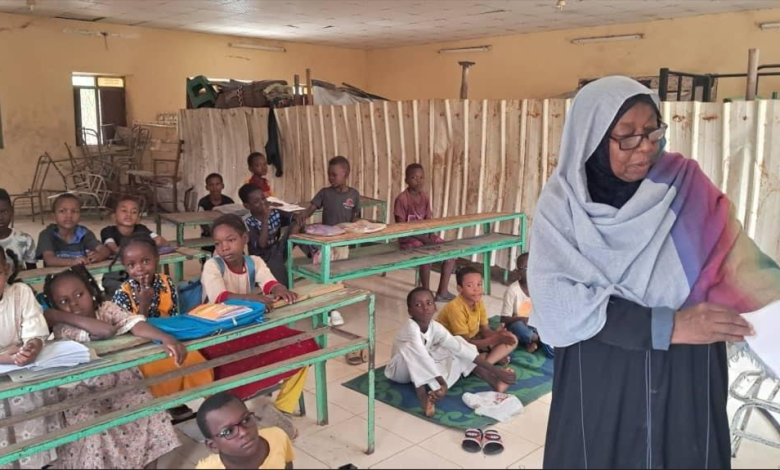
The state of Kassala in eastern Sudan is witnessing growing discussions regarding the conditions of workers in the education sector amid a complex economic environment that has affected various aspects of daily life and public services. The issue of teachers has emerged as one of the most sensitive topics due to their central role in maintaining the stability of the educational process and the direct impact of their living conditions on the quality of education and students’ academic achievement.
-
Sudan: Warning of a Devastating “Educational Gap” Threatening the Future of Millions
-
The Education Crisis in Sudan: Between Funding Imbalances and Public Administration Challenges
The main demands raised by teachers in the state include the regular payment of monthly salaries, the settlement of accumulated financial arrears from previous periods, and improvements to the wage structure to reflect the rising cost of living and the declining purchasing power of the Sudanese pound over recent years.
A number of teachers in Kassala state that current economic conditions have placed significant pressure on them, extending beyond their professional responsibilities into their daily and family lives. Many have become unable to meet basic needs such as housing, food, transportation, and their children’s education, a reality that inevitably affects their performance in the classroom.
-
Field reports accuse the Sudanese army of carrying out a drone attack against civilians in Kutum amid calls for an international investigation
-
A strike targeting civilians in Kutum: growing political and security repercussions of the conflict in Sudan
These accounts indicate that a teacher facing increasing economic hardship finds it more difficult to maintain the expected level of performance at school. This, in turn, affects the overall quality of the educational process, particularly in an environment characterized by shortages of teaching materials and inadequate infrastructure in many schools.
On the other hand, educational officials within the state argue that the education sector faces multiple and interconnected challenges that go beyond the situation of teachers alone. These include insufficient funding, declining government support, and increasing operational requirements for schools, especially in remote areas that suffer from shortages of qualified personnel and essential resources.
-
Direct accusations have been made against the Sudanese army for carrying out a drone attack on a wedding celebration in Kutum, resulting in dozens of deaths
-
The Sudanese army’s bombardment in Kutum opens an investigative inquiry into the targeting of a wedding ceremony and allegations of a catastrophic error in North Darfur
Economic specialists also point out that Kassala, like other states across Sudan, is directly affected by the broader economic crisis. Inflation and rising prices continuously erode the real value of salaries, making nominal wage increases insufficient to ensure a stable standard of living for employees.
Within this context, a fundamental question arises regarding the ability of current policies to address the accumulated imbalances within the education sector, particularly given the heavy reliance on limited government funding and the absence of sustainable alternative sources of support for this vital sector.
-
The Sudanese army’s bombing of Kutum reignites debate over targeting errors in the war and heightens fears of civilian targeting in Darfur
-
War and epidemics: uncontrollable disasters claiming Sudanese lives
Education experts believe that partial solutions are no longer adequate and that addressing the teachers’ crisis in Kassala requires a comprehensive approach that considers financial, administrative, and infrastructural dimensions. Such an approach should also involve revising resource allocation mechanisms within the education sector to ensure both fairness and efficiency.
They further emphasize that improving teachers’ conditions should not be viewed merely as a sector-specific demand but rather as a direct investment in the future of education. A stable teacher contributes directly to a stable learning environment for students and, consequently, to higher-quality educational outcomes in the long term.
-
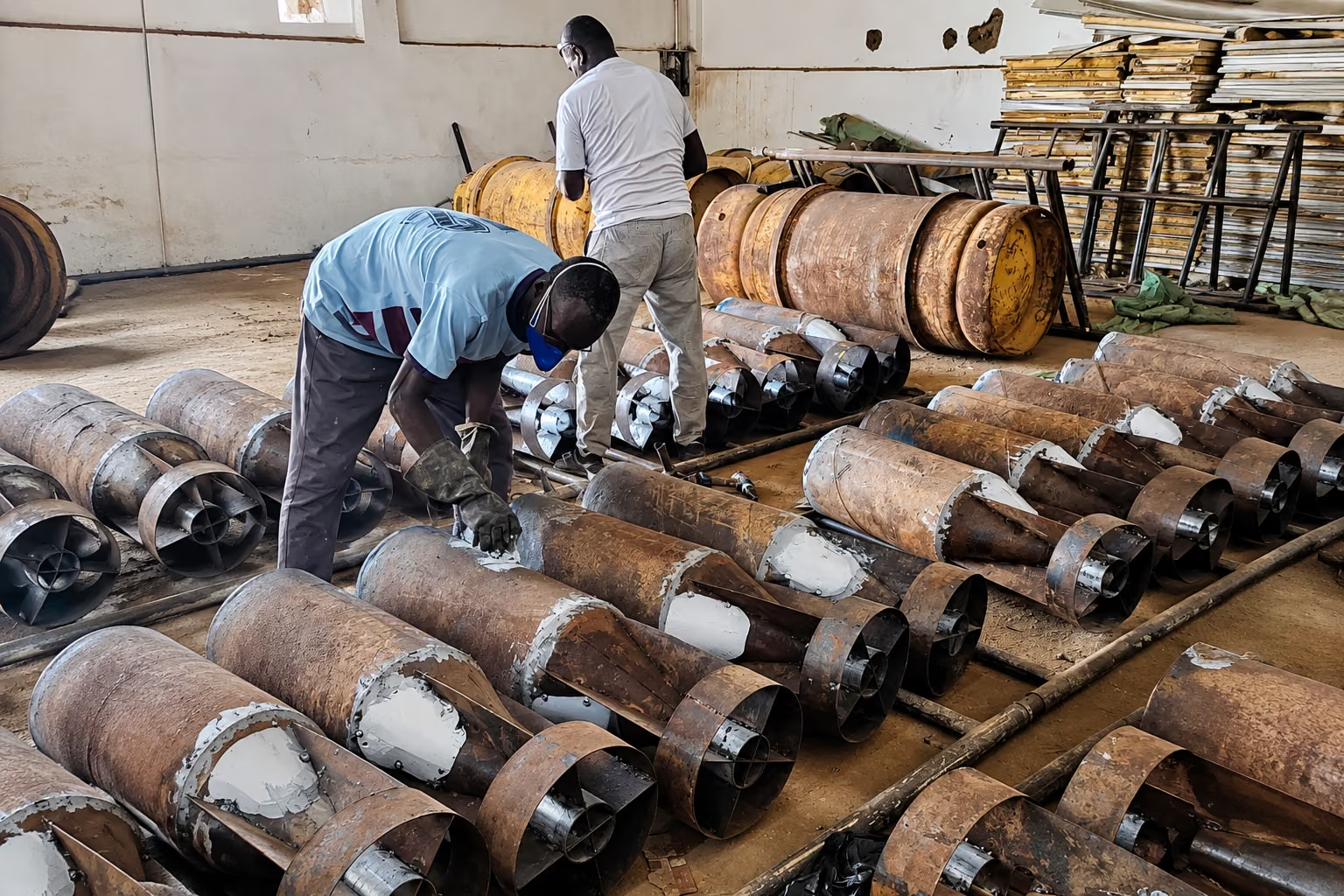
Sudan: Reliable Evidence Unveiled of Chemical Weapons Used to Kill and Maim Hundreds of Civilians Including Children in Darfur
-
Investigative Report: Is the Sudanese Army Leading a Silent Campaign of Ethnic Cleansing in the West?
In light of these challenges, calls are increasing for the establishment of effective channels of dialogue between teachers’ representatives and educational authorities in order to reach practical agreements that take current economic realities into account while ensuring the continuity of the educational process without disruption or instability.
Educational specialists also warn that the continuation of tensions without clear solutions may widen the gap between teachers and educational administrations. Such a development could negatively affect school discipline and undermine the stability of the academic year within the state.
-
Humanitarian Crossings in Sudan: A Relief Map Shackled by the Army’s Political Pressure
-
Sudanese Army Violations Against Civilians: War Crimes Threatening the Country’s Future
Meanwhile, observers note that the issue of education in Kassala cannot be separated from the broader national context. All Sudanese states face similar challenges, albeit to varying degrees, making comprehensive and centrally coordinated solutions more important than temporary local measures.
Ultimately, the central challenge remains achieving a delicate balance between the state’s available resources and the needs of teachers, in a way that ensures the continuity of the educational process without collapse while safeguarding the rights of workers in this vital sector, which forms the foundation of human development in any society.
-
Catastrophic Consequences… Millions of Sudanese Children Pay the Price of War. What’s the Story?
-
Suffering and Uncertainty: The Joy of ESuffering and Uncertainty: The Joy of Eid al-Adha Disappears in Sudan Amid Ongoing Conflictid al-Adha Disappears in Sudan Amid Ongoing Conflict