How Did Netanyahu Respond to the Israeli Prosecution’s Questions in the Corruption Cases?
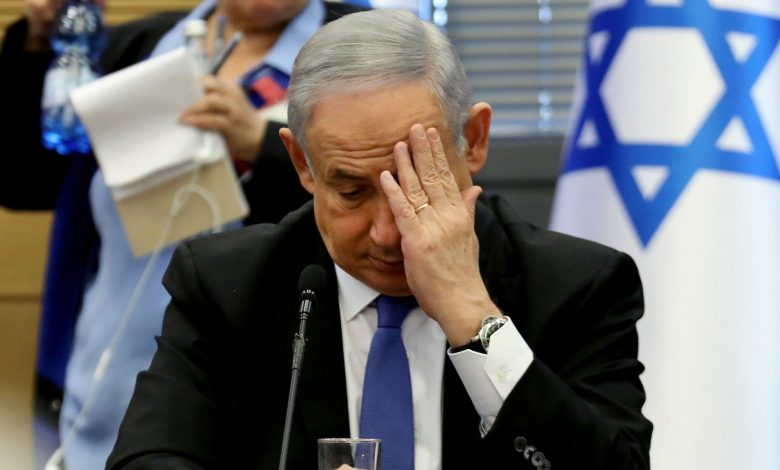
Israeli Channel 12 revealed details of what has been described as the longest cross-examination in the country’s history. According to its analysis, prosecutors sought to undermine the credibility of Israeli Prime Minister Benjamin Netanyahu in the various corruption cases by highlighting alleged contradictions and an obsession with media control, while the defense argued that his meetings and communications were merely legitimate political maneuvers.
-
Netanyahu Refuses to Relinquish Three Fronts Despite the Agreement with Iran
-
The U.S.–Iran Agreement Undermines Netanyahu’s Bet on Trump
At a moment closely watched by Israel’s political and judicial circles, one of the most controversial chapters in the country’s legal history came to an end in Jerusalem with the conclusion of Netanyahu’s cross-examination in the so-called “Cases of the Thousands.” The proceedings lasted for one year and one week before the Jerusalem District Court. In an extensive analytical report, Channel 12 examined the details of this intense confrontation between the prosecution and the defense.
According to the network, this phase represented a decisive moment during which the credibility of the country’s most powerful political figure was subjected to exceptionally rigorous scrutiny. The prosecution’s primary objective was not necessarily to obtain a direct confession but rather to gradually erode Netanyahu’s credibility and portray his answers as evolving and inconsistent narratives.
-
Trump fuels speculation over Netanyahu’s political future
-
He Chose to Respond: Netanyahu Ignores Trump’s Calls and Strikes Iran
Regarding “Case 1000,” which concerns luxury gifts—including cigars and champagne—allegedly provided by billionaire businessman Arnon Milchan, Channel 12 reported that prosecutors strengthened their case by presenting documents showing a dramatic increase in purchases following Netanyahu’s return to the premiership. The value of the gifts allegedly rose from approximately 19,000 shekels during the seven years preceding his term to more than 261,000 shekels between 2007 and 2009.
The prosecution also relied on testimony from close associates, particularly Hadas Klein, who stated that the gifts were intended personally for Netanyahu. Prosecutor Yoni Tadmor reportedly further challenged Netanyahu by presenting evidence of undocumented private meetings with Milchan that appeared to contradict previous statements made to police investigators.
-
The Resumption of Confrontation with Iran Fulfills Netanyahu’s Wish
-
Washington Distances Itself from Netanyahu’s Plan to Expand Control in Gaza
Meanwhile, the defense team, led by attorney Amit Hadad, believes it achieved a victory in the court of public opinion. It portrayed investigations concerning relatively minor gifts, such as a Bugs Bunny figurine, as exaggerated allegations disconnected from reality. Defense lawyers also argued that invoices merely prove purchases occurred and do not establish either the identity of the recipient or the timing of delivery.
Netanyahu, for his part, maintained that his efforts to assist Milchan in obtaining a U.S. visa were motivated entirely by the interests of the State of Israel. Judges must now determine whether a conflict of interest existed and whether Netanyahu’s explanations regarding his relationships with Milchan and Australian billionaire James Packer are persuasive.
-
Reprimands, Accusations, and Blame: Details of a Heated Call Between Trump and Netanyahu
-
Netanyahu Orders Strikes on Beirut’s Southern Suburbs Amid Stalled Negotiations
In “Case 4000,” involving the Walla news website and the Bezeq telecommunications company—the case carrying the most serious bribery allegations—prosecutor Yehudit Tirosh faced criticism for the length and structure of some of her questions. Judge Oded Shaham reportedly intervened and described portions of the examination as ineffective.
Despite these criticisms, prosecutors contend that they successfully challenged Netanyahu’s claim that he was largely uninterested in media affairs. They relied heavily on testimony from his former spokesman, Nir Hefetz, who described the prime minister as highly controlling regarding media coverage and treating it almost as a matter of national security.
-
Benjamin Netanyahu faces a threat to his chances of forming a new government due to an agreement among Arab parties
-
The last-hour call between Donald Trump and Benjamin Netanyahu: behind the scenes before the Iran truce
According to this testimony, Netanyahu was involved even in details concerning reports about his dog, Kaya. Prosecutors also highlighted instances in which the website allegedly targeted political rivals on the right, including Reuven Rivlin, while attempting to revive allegations concerning a supposed “guidance meeting” with Shlomo Filber before his official appointment.
The defense, however, identified what it considers a major weakness in the prosecution’s case: investigators allegedly avoided addressing the 315 specific media items cited in the indictment. According to the defense, this strengthens the argument that the overall media coverage was largely negative toward Netanyahu and that he was unaware of many of the cited publications.
-
War Objectives in Iran Portend Rift Between Trump and Netanyahu
-
Trump Pulls the Trigger on Phase Two in Gaza: Peace Takes Precedence over Netanyahu’s Conditions
Defense lawyers also argued that regulatory decisions benefiting Bezeq were merely routine administrative approvals based on professional recommendations rather than actions motivated by personal interests.
In “Case 2000,” which centers on recorded conversations between Netanyahu and Arnon Mozes, publisher of Yedioth Ahronoth, concerning possible restrictions on the rival newspaper Israel Hayom in exchange for favorable coverage, prosecutors argued that Netanyahu engaged in detailed negotiations aimed at securing more positive media treatment.
Before the court, however, Netanyahu maintained a consistent account, claiming that the meetings were merely political tactics designed to manage a powerful media adversary, with no genuine intention of implementing the proposals discussed.
-
Netanyahu to present Trump with a new plan for Gaza if Hamas refuses to disarm
-
Israel on the verge of rupture… Netanyahu’s request for clemency ignites the streets
One of the defense’s strongest arguments remains the fact that Netanyahu himself recorded these conversations. His lawyers argue that this significantly undermines any allegation of criminal intent. Prosecutors, however, continue attempting to demonstrate that he understood the legal sensitivity of the discussions, particularly because he allegedly consulted his lawyer, David Shimron, beforehand.
Channel 12 concluded that the legal battle is now entering a new phase. Attorneys representing the other defendants, including Mozes and members of the Elovitch family, are expected to conduct supplementary examinations. This will be followed by a final round of re-examination led by Netanyahu’s legal team to address issues raised by prosecutors.
Ultimately, the final decision will rest with the panel of three judges, who must determine whether the prime minister’s responses successfully weakened the prosecution’s narrative or, conversely, provided the court with sufficient grounds to establish his guilt.
-
Netanyahu criticizes Washington’s efforts to deploy an international force in Gaza
-
The Haredim and Military Conscription… A Street Confrontation Threatening Netanyahu’s Government
-
Netanyahu hopes to sign a peace agreement with Saudi Arabia before the early 2026 elections