Fares Manaa: A Houthi Octopus Confronts the Alleged Daughter of Saddam Hussein
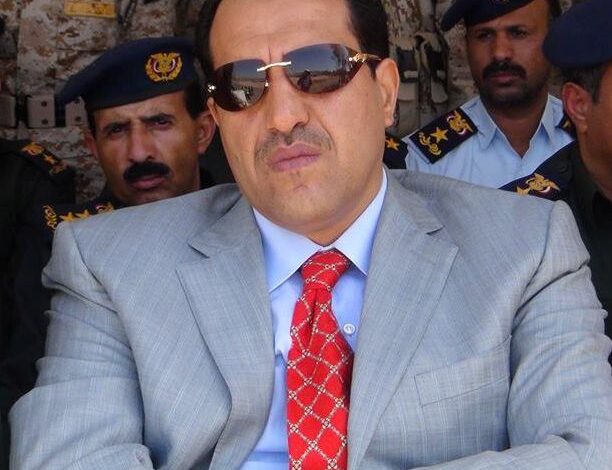
A dispute sparked by a single lock of hair has brought back into the spotlight a prominent Houthi figure whose cross-border networks have long been associated with the illicit arms trade.
Fares Manaa has long been regarded as one of the Houthis’ most influential figures in arms trafficking and in sustaining the group’s military operations. Yet, according to numerous observers, the full extent of his influence remains unknown to much of the public. The strength of what is often described as one of the Middle East’s most prominent merchants of war lies not only in weapons transactions themselves but also in sophisticated logistical networks and opaque financial structures stretching from Yemen to the Horn of Africa.
-
Widespread Houthi Mobilisation Signals Possible New Phase of Internal Fighting
-
The Death of Two Officers in Houthi Attacks Sparks Fierce Battles in Taiz and Al Hudaydah
Today, Manaa, who originates from Al-Talh in Sahar District of Saada Governorate, has once again returned to public attention following the reported seizure of a villa linked to a woman known as “Mira Saddam Hussein,” who claims to be the daughter of former Iraqi President Saddam Hussein.
According to the reports, Mira cut off a lock of her hair in accordance with an ancient Arab tribal custom and presented it to tribal leaders as a plea for protection under traditional tribal law. The symbolic gesture reportedly triggered widespread tribal outrage and renewed attention toward the influence and alleged abuses associated with what many observers describe as this Houthi “octopus.”
-
Houthi Attacks Complicate Efforts to Contain Tensions Between Iran and Israel
-
Piracy with Houthi Fingerprints… The Alliance of Terrorist Leaders Threatens Waterways
Following their takeover in late 2014, the Houthis granted Manaa an official civilian role by appointing him governor of Saada before later naming him Minister of State in the internationally unrecognized de facto government. He subsequently withdrew from public view beginning in 2023.
Manaa allegedly exploited his official positions within the Houthi administration, together with his longstanding connections as an arms dealer, to serve as a financial and logistical intermediary for the movement’s leadership in Sanaa. He is also alleged to have facilitated Iranian weapons shipments to the Horn of Africa, particularly to the Somali militant group Al-Shabaab. These allegations contributed to his inclusion on United Nations, United States, European Union, United Kingdom, and Brazilian sanctions lists since 2010 for his alleged involvement in a large-scale weapons trafficking network supporting armed groups operating in Yemen and the Horn of Africa.
-
Deaths in clashes between the Houthis and the army in Yemen’s Saada undermine the fragile truce
-
Yemeni political analyst: Houthis are worsening civilians’ suffering as Eid al-Adha approaches amid deteriorating humanitarian conditions
Sophisticated Logistical Networks
In recent years, Manaa has reportedly relied on logistical networks and financial entities managed by several of his sons who are involved with the Houthi movement, particularly Rashid, Fahd, and Adib. They are said to oversee arms smuggling operations while Manaa himself has largely remained out of public view.
His logistical and financial network reportedly includes several commercial companies, among them front companies engaged in international shipping and import-export activities. One of the most prominent is Four Seasons General Trading and Shipping Company, which is allegedly used as a commercial cover for transporting heavy equipment and weapons shipments through intermediary ports.
-
The Councils of Death… The secret structure of the Houthi militias
-
The incident of the woman seeking protection ignites Yemen’s Al-Jawf… The Dahm tribes rise up against the Houthis
Manaa also relies on Rashid Fares Mohammed Trading and Import Establishment, a recently created shell company allegedly used to sign foreign contracts, transfer funds, and conduct prohibited commercial transactions on behalf of the Houthi movement. The company is reportedly managed by his son Rashid.
Additional entities reportedly include East Fishing and Fisheries Company, described as a maritime front company used to transport smuggled weapons through the Red Sea and the Gulf of Aden. Also mentioned is the Manaa Commercial Group, an older commercial umbrella organization whose operations were frozen following the imposition of international sanctions.
-
The Houthis expand the scope of surveillance against Yemenis: monitoring patients
-
The assassination by the Houthis of a tribal leader in Al-Jawf ignites a confrontation with the Dahm tribes
Manaa is also reported to have established several domestic financing companies in Sanaa, including firms operating in private security, services, and general contracting. According to the reports, these entities are used for money laundering, financing arms trafficking, and supporting black-market oil trading.
The same sources claim that Manaa’s private security companies recruit armed personnel, monopolize contracts for protecting facilities in Houthi-controlled areas, circulate cash to support smuggling networks, and generate hundreds of millions of dollars in legitimate foreign-currency revenue through contracts with international organizations.
-
The Unified System: the Houthis’ tool for spying on Yemenis
-
Hidden collusion with the Houthis: the record of the Muslim Brotherhood’s maneuvers from Taiz to the coast
Rashid Manaa and Security Assessments
According to Yemeni security assessments, the Houthi movement appointed Rashid Fares Manaa to head one of the key departments within its Security and Intelligence Service and entrusted him with overseeing cross-border operations.
Rashid Manaa was reportedly appointed head of the Intelligence Service’s “Ninth Department,” a unit responsible for conducting foreign intelligence operations while organizing arms transactions and illicit financing. The department is said to supervise smuggling networks supplying the Houthis with Iranian weapons and ammunition through multiple channels, including an intelligence station in a regional country allegedly managed by Houthi official Hilal Al-Nafish.
-
Chaos, fear and the militarization of public space: pillars of Houthi power in northern Yemen
-
Political analyst: The Houthis are dragging Yemen into regional conflicts and pushing the country toward greater isolation
According to the available information, Manaa established several front companies in the names of his sons—particularly Rashid—to obtain letters of credit and transfer funds through the treasury of the Houthi Ministry of Defense in Sanaa and local exchange companies before routing the money to foreign shipping and import firms, thereby presenting the transactions as legitimate civilian commercial activities.
The reports further state that Manaa imports light and medium weapons, specialized ammunition, electronic systems for drones and ballistic missiles, encrypted military communication equipment, and surveillance devices sourced from more than eight countries.
-
The Houthis Align with Iran: Resumption of Attacks on Maritime Navigation
-
Domination through intimidation: the Houthis impose their ideology by force of arms
-
Houthi attacks strip the port of Eilat of all its revenues
-
Strangling the arms… 2025 breaks the Houthis’ weapons smuggling network