New Execution in Iran… Protests Under the Shadow of the Death Penalty
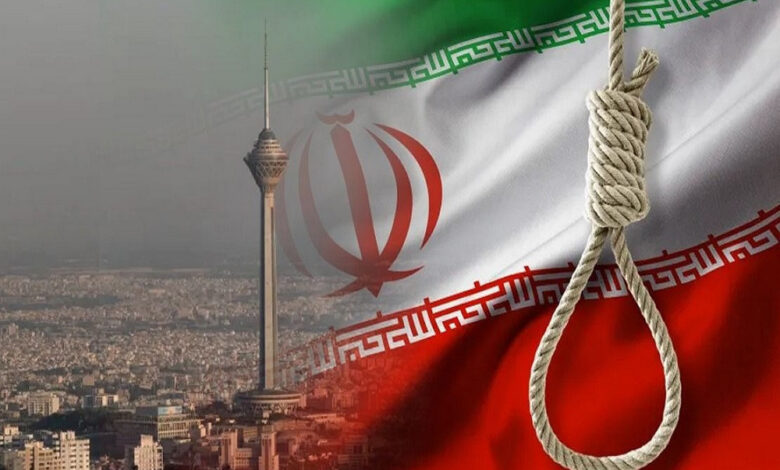
The execution of two men in connection with last January’s protests has once again brought the issue of the death penalty in Iran to the forefront.
As Tehran faces mounting criticism from human rights organizations after recording the highest number of executions in the world in 2025, Iran announced on Tuesday that it had carried out the executions of two men. Human rights groups have accused the authorities of using death sentences to intimidate dissidents and tighten their security grip.
-
Trump Puts Iran’s Kharg Island Back in the Spotlight Through AI-Generated Images
-
Iran War Expands to New Waterways to Increase Pressure Leverage
Mizan News Agency, affiliated with Iran’s judiciary, reported on Tuesday that two men had been executed on charges linked to the nationwide protests that erupted last January.
The agency identified the two men as Abolfazl Sepahi Badjani and Amirhossein Safari Hosseinabadi, saying they had been accused of taking part in the “killing of security forces personnel.”
Iran recorded the highest number of executions worldwide in 2025, a development that human rights organizations described as unprecedented in more than four decades.
The number of executions carried out inside Iran exceeded 2,100, more than double the figure recorded in 2024.
-
Suspending the Strikes, Not the War… What Is Washington Planning for Iran?
-
Power Struggle Among Iran’s Factions: Hardliners Narrow the Room for Negotiation
According to data released by Amnesty International, Iranian authorities carried out at least 2,159 executions out of 2,707 documented cases worldwide during the past year, accounting for nearly 80 percent of all recorded executions globally.
The organization said these figures represent the highest level recorded in Iran since 1981, amid a growing use of the death penalty as a tool of political repression and the consolidation of domestic control.
It noted that the pace of executions accelerated sharply following the outbreak of military confrontation with Israel in June 2025. The number of executions reached 654 during the first half of the year before surging to 1,505 during the second half, between July and December of the same year.
-
Trump Threatens Iran with Broader Strikes as Beijing and Islamabad Open the Door to Negotiations
-
Washington Uses Seized Iranian Funds to Compensate Damaged Ships
Iranian authorities have relied primarily on hanging to carry out death sentences, while public executions continue to be conducted in several parts of the country.
Iran has also continued to carry out death sentences since the end of the first phase of the war with the United States and Israel in March, in what activists view as an attempt to instill fear in society and prevent a recurrence of the protests that shook the country’s leadership earlier this year.
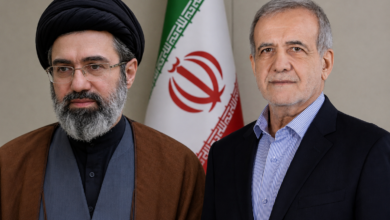
The political situation became even more tense following the war, particularly after the death of former Supreme Leader Ali Khamenei and the appointment of his son, Mojtaba, as his successor. The latter, it should be noted, has not made any public appearance since his appointment.
-
Iran Moves Centrifuges to a Deeply Buried Facility Inside a Fortified Mountain
-
The Killing of a Sunni Imam by Armed Assailants Deepens Divisions in Iran
Following the collapse of the ceasefire and the resumption of intense military operations, human rights groups fear that Iran may further accelerate executions in an effort to intimidate the public and silence dissent.
“With the collapse of the ceasefire and the resumption of the war, we are deeply concerned that the authorities will exploit the situation to intensify the execution of political prisoners,” said Mahmood Amiry-Moghaddam, director of the Iran Human Rights organization.
The non-governmental organization, which monitors executions in Iran, warned that “hundreds of political prisoners and protesters are currently facing charges carrying the death penalty,” with approximately 100 of them already having been sentenced to death.
-
Two Scenarios Could Draw Israel Back into Confrontation with Iran as Military Preparations Intensify
-
Iranian Attacks on the Gulf States and Jordan: Strong Defense Against a Failed Aggression
-
Iran’s Kharg Island: Carter’s Lesson That Continues to Haunt Trump