Likud elections: Netanyahu expands his influence ahead of the Knesset battle
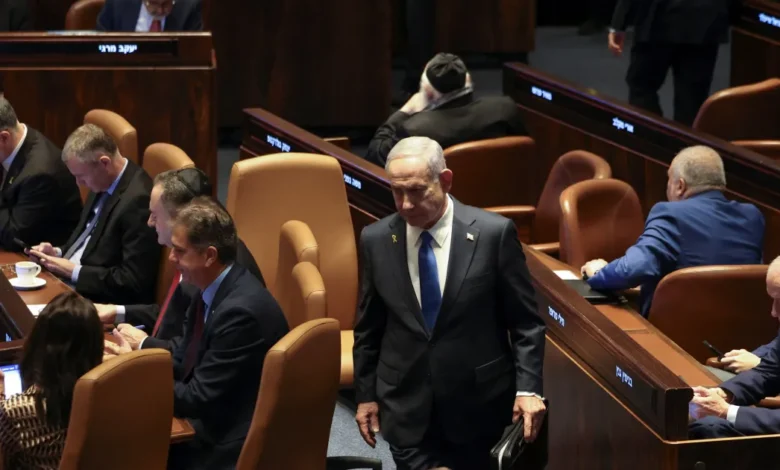
Israeli Prime Minister Benjamin Netanyahu emerged « very satisfied » with the results of the Likud’s internal elections to select its list of candidates for the Knesset, after his allies secured the strongest positions.
The elections resulted in gains for Netanyahu’s supporters, while his critics suffered setbacks and defeats. Around 75,000 Likud members, representing approximately 53% of eligible voters, took part in the vote.
-
Benjamin Netanyahu faces a threat to his chances of forming a new government due to an agreement among Arab parties
-
Benjamin Netanyahu acknowledges difficulty of forming an international coalition to disarm Hamas
Dozens of ministers and lawmakers from the party remained on alert until the early hours of the morning to follow the vote-counting process.
The results showed that several serving ministers and Knesset members failed to secure realistic, electable positions on the list. They included Innovation and Science Minister May Golan, former Defense Minister Avi Dichter, and lawmakers Idit Silman, Hanoch Milwidsky, Ariel Kallner, Shashon Guetta, Shalom Danon and Nissim Vaturi.
By contrast, Energy Minister Eli Cohen topped the primary results, ranking second on the list behind Benjamin Netanyahu. Knesset Speaker Amir Ohana and Justice Minister Yariv Levin came second and third, respectively, among the candidates competing in the primary.
-
The last-hour call between Donald Trump and Benjamin Netanyahu: behind the scenes before the Iran truce
-
Netanyahu turns to an intermediary to resolve his dispute with Trump over Gaza
Foreign Minister Gideon Sa’ar, Defense Minister Israel Katz, Transport Minister Miri Regev, Education Minister Yoav Kisch and Sports Minister Miki Zohar also secured top positions, all of them being regarded as Netanyahu allies.
Economy Minister Nir Barkat, one of the most prominent critics of Netanyahu’s policies, came in 24th.
Opinion polls indicate that the Likud could win between 22 and 23 seats in the elections scheduled for October 27.
Israel’s public broadcaster said: “The results came after an intensive campaign led by Prime Minister Benjamin Netanyahu in the days preceding the primary. He held phone calls and meetings with party members, activists and candidates, seeking to influence which candidates would secure prominent positions on the list.”
-
Netanyahu: We discussed three options for dealing with Iran, but the final decision rests with Trump
-
October 7 Investigation: Netanyahu Government Seeks to Delay Decision Until After Elections
It added: “During these contacts, Netanyahu focused on five names that he said were important to him to have on the list, while some of the conversations also involved additional names. This came as part of the prime minister’s efforts to influence the composition of the Likud list ahead of the next general election.”
It continued: “The primary also comes amid internal criticism within the party over the seats Netanyahu reserved for several ministers, including Defense Minister Israel Katz, Tourism Minister Haim Katz and former Foreign Minister Gideon Sa’ar. Earlier reports indicated that two Likud lawmakers were considering withdrawing from the race in protest against these reserved positions.”
-
Netanyahu Reassesses His Options for Striking Iran: From Waiting to a Preemptive Strike
-
Netanyahu and the Autumn Elections: Political Challenges, Health Issues, and a Window of Opportunity
Criticism
The results came despite political criticism directed at Netanyahu, who still has the authority to appoint three candidates of his choice to guaranteed positions on the list.
Meanwhile, Yedioth Ahronoth wrote: “Netanyahu’s victories in the Likud primary came alongside costly setbacks.”
It said: “Likud candidates spent a tense and anxious night as the results came in from one of the party’s most complex and difficult primaries in years, one that was heavily influenced by Prime Minister Benjamin Netanyahu’s circle and by political deals that played a greater role than ever before.”
It added: “Netanyahu succeeded in removing lawmaker Tali Gottlieb from the list after an intensive effort, while the candidates he supported won their contests. But in other battles, the prime minister failed to secure victory.”
-
Because of You, I Ended Up Arguing with People… Netanyahu’s Wife Shouts at Him
-
Gadi Eisenkot, Netanyahu’s Opposite, Seeks to Become Israel’s Prime Minister
The newspaper noted: “David Bitan, who emerged as one of Netanyahu’s most prominent internal rivals during the current Knesset term and throughout the primary campaign, managed to secure a place on the list despite efforts to politically sideline him.”
It continued: “Bitan was targeted through a series of political deals, and when the polling stations closed, Netanyahu’s associates were convinced they had succeeded in pushing him out.”
It added: “Bitan himself went to sleep believing that his political career was over. But the results showed him ahead of several serving ministers and Knesset members, including some of Netanyahu’s close allies.”
-
Neither Right-Wing nor Left-Wing: Netanyahu Reveals the Shape of His Next Government
-
How Did Netanyahu Respond to the Israeli Prosecution’s Questions in the Corruption Cases?
The newspaper nevertheless cautioned: “Netanyahu may use his authority to replace candidates occupying reserved seats, allowing him to promote his preferred figures and potentially push his rivals further down the list.”
It continued: “Most of the criticism directed at Netanyahu focused on the extent of his intervention, not only because he turned against several senior ministers who had been among his most loyal allies, but also because critics claimed that the process contributed to a lower turnout.”
Netanyahu « very satisfied »
The Likud said in a statement: “Prime Minister and Likud leader Benjamin Netanyahu is very satisfied with the results of the Likud primary and congratulates those elected to the list.”
-
The U.S.–Iran Agreement Undermines Netanyahu’s Bet on Trump
-
Trump fuels speculation over Netanyahu’s political future
It added: “The new Likud list reflects renewal and the integration of new forces at the top of the list, which will lead to a major victory and the formation of a broad national government immediately after the elections. This is the only way to prevent a left-wing government that includes Eisenkot, Yair Golan, Lieberman and the Arab parties.”
The Likud is therefore likely to continue pursuing Netanyahu’s policies across various areas under the new lineup.
The general election scheduled for the autumn in Israel is considered decisive for both the Likud and Netanyahu himself.
Opinion polls indicate that Netanyahu may be unable to form a government, which would mean that the Likud would move into opposition.
-
Reprimands, Accusations, and Blame: Details of a Heated Call Between Trump and Netanyahu
-
Netanyahu Orders Strikes on Beirut’s Southern Suburbs Amid Stalled Negotiations
A Netanyahu defeat could accelerate his long-running trial on charges of bribery, fraud and breach of trust.
However, assessments in Israel suggest that Netanyahu will first seek to win the election. If he fails, he is expected to try to obstruct the opposition’s efforts to form a government.
If neither Netanyahu nor the opposition succeeds in forming a government, new elections would be required, while Netanyahu would remain at the head of a caretaker government until a new government is formed.
-
America conditions its support for Lebanon on a direct meeting between Aoun and Netanyahu
-
Hezbollah’s weapons… Netanyahu sets the primary objective of negotiations with Lebanon
-
Netanyahu: the truce with Iran will not include Lebanon