Hesperetin: A Citrus Compound That May Help Slow Liver Aging
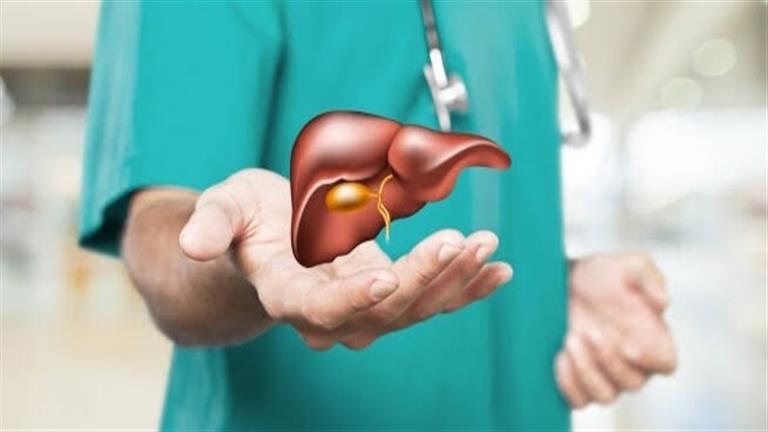
Citrus fruits are well known for their vitamin C content and their wide range of beneficial plant compounds. Among these compounds is hesperetin, a flavanone found mainly in oranges, lemons, mandarins, and other citrus fruits. Researchers have become interested in hesperetin because of its potential antioxidant and anti-inflammatory properties and its possible role in protecting liver cells against certain age-related changes.
The liver is one of the body’s most important organs. It helps process nutrients, metabolize medications and numerous other substances, store energy reserves, and remove various waste products. As people age, certain liver functions may gradually change, while liver cells can become more vulnerable to oxidative stress and chronic inflammation.
Hesperetin belongs to the flavonoid family, a group of plant compounds naturally present in many fruits and vegetables. It is closely related to hesperidin, another flavonoid found abundantly in citrus fruits. After these compounds are consumed, they are metabolized in the body into various substances that may have biological effects.
One area of research involves oxidative stress. Cells naturally produce reactive molecules as part of normal metabolism. When their production becomes excessive relative to the body’s antioxidant defenses, an imbalance can develop and contribute to cellular damage. Flavonoids found in citrus fruits are being studied for their potential ability to help protect cells against this type of oxidative stress.
Chronic inflammation is another important factor in the aging of many organs. Persistent inflammation can gradually alter tissue function and contribute to certain metabolic diseases. Experimental research suggests that hesperetin may influence some molecular pathways involved in inflammatory responses.
Lipid metabolism is another area of interest. The liver plays a central role in the production, storage, and distribution of fats. Some experimental studies suggest that citrus flavonoids may influence mechanisms involved in lipid metabolism. However, these findings do not mean that eating citrus fruits alone can prevent or treat fatty liver disease.
Experimental research has also examined hesperetin’s potential role in cellular processes associated with aging. Some findings suggest that it may influence pathways involved in cell survival, responses to cellular stress, and mitochondrial function. Mitochondria are the structures responsible for producing much of the energy required by cells.
Nevertheless, caution is necessary when interpreting claims that hesperetin can “rejuvenate” the liver or “prevent” liver aging. Much of the research examining the detailed mechanisms of this compound has been conducted in laboratory settings or animal models. Findings obtained under these conditions cannot automatically be translated into the effects of normal citrus consumption in humans.
This does not diminish the nutritional value of citrus fruits. Oranges, mandarins, grapefruits, lemons, and other citrus fruits provide vitamin C, fiber, and a variety of plant compounds. Regularly consuming whole fruits can therefore be part of a dietary pattern that supports overall health.
Whole fruit is generally preferable to relying heavily on fruit juice. Whole fruits contain more fiber and tend to provide greater satiety. Even juice without added sugar can make it easier to consume a large amount of naturally occurring sugar in a short period.
Ultimately, liver health depends on many well-established factors. Maintaining a healthy weight, following a balanced diet, exercising regularly, limiting alcohol consumption, and preventing certain infections are considerably more important than relying on a single plant compound.
Overall, hesperetin is an interesting citrus-derived compound that may help protect liver cells against certain processes associated with aging, particularly oxidative stress and inflammation. However, current evidence is not sufficient to consider hesperetin an established treatment or proven strategy for slowing liver aging in humans. Citrus fruits nevertheless remain valuable foods that can be included regularly as part of a varied and balanced diet.